
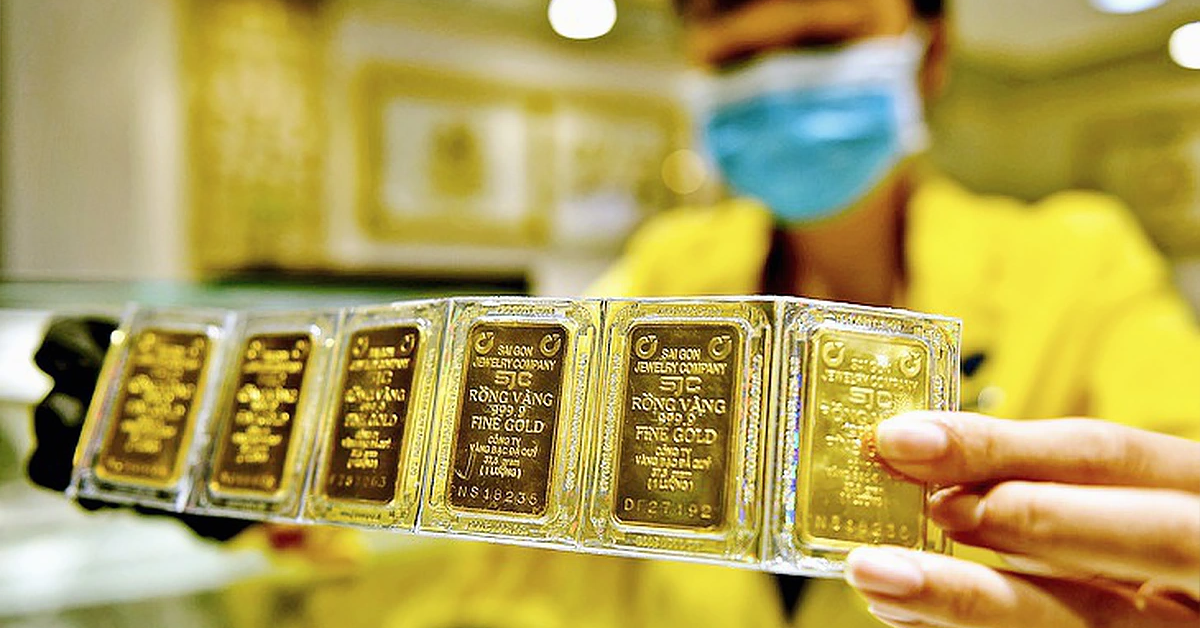
Vietnam has a well-established precious metals market supported by a strong culture of gold ownership, jewelry manufacturing, bullion trading, and investment. For buyers looking to source high-purity gold, Vietnam can provide access to established gold businesses, experienced jewelry manufacturers, bullion dealers, and precious-metal professionals. However, international buyers should approach the Vietnamese gold market with particular attention to supplier verification, product specifications, documentation, and the country’s regulatory framework governing gold trading and cross-border transactions.
For buyers specifically searching for 23 Karat (97.3%) gold, it is important to distinguish between a requested purity specification and the purity classifications commonly used by individual Vietnamese sellers. A quotation stating “23K” or “97.3%” should not be accepted solely on the basis of a description. The actual gold content should be independently verified through appropriate assay or laboratory testing before a commercial transaction is completed.
Vietnam’s gold sector is also subject to specific government controls. The State Bank of Vietnam regulates important aspects of gold business activities, including gold-bar trading, gold-bar production, and the export and import of gold. Recent regulatory changes under Decree 232/2025/ND-CP and Circular 34/2025/TT-NHNN introduced updated procedures concerning gold export and import activities, including licensing and quota mechanisms.
For this reason, buying gold from Vietnam should be treated as a structured commercial transaction rather than simply purchasing a commodity. Buyers should establish the identity and legal status of the supplier, confirm the precise purity and weight of the gold, agree on pricing and payment terms, verify the required documentation, and establish how the gold will legally move from Vietnam to its final destination.
Why Vietnam Is An Important Gold Market
Vietnam has a longstanding relationship with gold as both a form of personal wealth and a commercial commodity. Gold jewelry and other precious-metal products are widely traded, while gold also plays an important role in savings and investment decisions.
This established demand has supported the development of a broad network of businesses involved in jewelry manufacturing, bullion trading, gold retailing, refining, testing, and related services. Major commercial centers, particularly Ho Chi Minh City and Hanoi, have developed sophisticated markets serving individual consumers as well as commercial buyers.
For an international purchaser, the advantage is not simply the availability of gold. The larger benefit is access to an established commercial ecosystem in which buyers can evaluate different suppliers, compare quotations, arrange independent testing, and establish formal transaction procedures.
Understanding 23 Karat (97.3%) Gold
What 23 Karat Gold Means
The karat system expresses the proportion of pure gold contained in an alloy. Pure gold is conventionally represented as 24 karats, while 23-karat gold represents approximately 23 parts pure gold out of 24.
A stated purity of 97.3% means that approximately 97.3% of the material by mass is gold, with the remaining portion consisting of other metals. Those additional metals can influence the hardness, color, durability, and physical characteristics of the finished product.
For commercial transactions, however, buyers should rely on the actual assay result rather than assuming that a product described as “23K” automatically contains exactly 97.3% gold.
Why Buyers Choose High-Purity Gold
High-purity gold is attractive to investors, manufacturers, jewelry businesses, and international traders because a greater proportion of the material represents valuable gold content.
The higher the verified gold content, the more straightforward it becomes to calculate the intrinsic gold value of a shipment. This is particularly important when purchasing by kilogram or in other large commercial quantities.
Where To Look For Gold Suppliers In Vietnam
Ho Chi Minh City
Ho Chi Minh City is one of Vietnam’s principal commercial centers and has a significant concentration of businesses involved in jewelry and precious metals. Buyers researching Vietnamese gold suppliers will frequently encounter businesses operating in and around the city’s established commercial and jewelry districts.
For international buyers, the city can be particularly relevant because of its extensive financial, logistics, transportation, and business infrastructure.
Hanoi
Hanoi is another major center for Vietnam’s gold and jewelry industry. Its established commercial environment provides access to jewelry manufacturers, gold businesses, financial institutions, and supporting professional services.
Buyers considering Hanoi should apply the same supplier-verification standards used anywhere else: a prominent location or established appearance should not replace proper corporate and transaction due diligence.
Other Commercial Centers
Gold businesses can also be found in other Vietnamese cities and provinces. Depending on the product, quantity, and intended use, buyers may encounter manufacturers, wholesalers, retailers, and specialist businesses outside the country’s two largest commercial centers.
The most important consideration is therefore not simply the location of the supplier but whether the business is legally authorized and capable of completing the specific transaction being proposed.
How To Find A Reliable Gold Supplier In Vietnam
Verify The Company’s Legal Identity
Before discussing payment, buyers should establish exactly who they are dealing with. Obtain the supplier’s registered company name, business registration information, physical business address, authorized representative, telephone number, corporate email address, and relevant licensing information.
Where the transaction involves exportation, the buyer should establish whether the proposed supplier is legally permitted to conduct the relevant export activity.
Vietnam’s gold regulations distinguish between different categories of gold business activities, and the regulatory requirements can differ depending on whether the transaction concerns jewelry, gold bars, raw gold material, or another category.
Check The Supplier’s Trading History
A supplier’s operating history can provide useful information about its commercial reliability. Buyers should examine the company’s history, references, previous international transactions where available, and the consistency of the information provided across its corporate documents.
A supplier should be able to explain its supply chain and demonstrate how it obtains, verifies, stores, and delivers the gold being offered.
Request Corporate Documentation
Professional suppliers should be prepared to provide appropriate corporate documentation during due diligence. The documents required will depend on the structure and nature of the transaction, but may include company registration records, relevant licenses, tax information, product documentation, and export-related authorization.
The purpose of requesting these documents is not simply administrative. It establishes whether the company is legally positioned to perform the transaction it is proposing.
How To Verify 23 Karat Gold Purity
Request A Recent Assay Report
An assay report provides evidence of the measured composition of the gold. For a commercial transaction involving 23K or 97.3% gold, the buyer should request an appropriate certificate or assay report identifying the material tested and its measured purity.
Ideally, the testing should be conducted by a recognized and appropriately qualified independent laboratory.
Conduct Independent Testing
A supplier’s certificate should not necessarily be the final verification for a high-value transaction. Where practical, buyers should arrange independent testing before final settlement or according to the inspection procedure agreed in the purchase contract.
Depending on the form of the gold, testing may involve methods such as X-ray fluorescence analysis, fire assay, or another appropriate analytical method. The appropriate method should be determined by a qualified testing facility based on the material being examined.
Verify Weight Separately
Purity is only one component of gold valuation. The buyer must also verify the gross weight, net weight, and applicable deductions.
For large transactions, weighing should be conducted using properly calibrated equipment, with the results documented and acknowledged by the relevant parties.
Understanding The Price Of Gold In Vietnam
International Gold Prices
Gold is traded in a global market, so international benchmark prices influence the underlying value of gold in Vietnam. Global economic conditions, interest rates, inflation expectations, currency movements, geopolitical events, investment demand, and central-bank activity can all contribute to price changes.
Consequently, a supplier’s quotation should be evaluated against a recognized market reference rather than considered in isolation.
Purity And Fine Gold Content
A quotation for 23K gold should be evaluated according to its actual fine-gold content. Two shipments with the same gross weight can have different intrinsic gold values if their measured purities differ.
This is why professional buyers focus on both weight and assay rather than relying solely on a stated karat designation.
Premiums And Additional Charges
The final price can include more than the underlying value of the gold. Depending on the transaction, buyers may encounter refining costs, fabrication charges, dealer premiums, testing fees, insurance, secure transportation, banking charges, customs costs, and other legitimate expenses.
A professional quotation should clearly identify the applicable charges so that the buyer can calculate the true landed cost.
Documentation For Buying Gold From Vietnam
Commercial Invoice
The commercial invoice should accurately identify the parties, product, quantity, purity, unit price, total transaction value, and agreed commercial terms.
For an international shipment, the invoice may also form part of the documentation used during customs clearance.
Assay Or Certificate Of Analysis
The certificate of analysis or assay documentation should correspond to the actual material being purchased. Buyers should be cautious of generic certificates that cannot be linked to the specific shipment, lot, bar, or batch.
Packing And Shipping Documents
International gold shipments may require documentation describing the cargo, packaging, transportation, consignee, and destination.
The exact documentation depends on the product classification, transaction structure, origin, destination, carrier, and applicable laws.
Understanding Vietnam’s Gold Export Regulations
Gold Export Is A Regulated Activity
International buyers should not assume that purchasing gold from a Vietnamese business automatically gives them the right to export that gold from Vietnam.
Vietnam maintains a regulatory framework governing gold business activities. The State Bank of Vietnam is responsible for important licensing and regulatory functions relating to gold, and recent rules provide for licenses and quotas concerning specified gold export and import activities.
Recent Regulatory Developments
Vietnam’s Decree 232/2025/ND-CP amended the country’s gold-business framework, including provisions concerning gold export and import. Subsequent Circular 34/2025/TT-NHNN provides detailed guidance on certificates, licenses, export and import activities, quotas, and reporting requirements. The circular entered into effect on October 10, 2025.
This is particularly important for international buyers because regulatory eligibility can depend on the nature of the gold, the parties involved, and the proposed transaction.
Confirm Requirements Before Signing
Before entering into a binding agreement, buyers should establish which Vietnamese licenses, permits, quotas, customs procedures, and other approvals apply to the specific shipment.
Requirements can differ depending on whether the product is gold jewelry, gold material, gold bars, or another form of precious-metal product. The Vietnam Trade Portal, for example, identifies gold material under relevant HS classifications and provides information concerning regulatory measures.
Safe Payment Practices When Buying Gold
Use Verifiable Banking Details
High-value gold transactions should use transparent, traceable payment channels. Before sending funds, the buyer should independently verify the beneficiary’s identity and bank account information.
Any last-minute change to payment instructions should be treated as a potential fraud risk until independently confirmed through a trusted communication channel.
Avoid Paying Unexplained Advance Charges
Buyers should request a complete commercial breakdown before transferring funds. Charges described vaguely as security fees, release fees, customs deposits, transportation charges, or other unexplained payments should be independently verified.
A legitimate commercial transaction should have clearly documented costs and contractual responsibilities.
Use A Formal Purchase Agreement
A properly drafted Sale and Purchase Agreement should identify the gold specification, quantity, price mechanism, payment structure, inspection procedure, delivery terms, documentation requirements, responsibilities of each party, and dispute-resolution provisions.
For international transactions, the agreement should also clearly establish which party is responsible for export clearance, transportation, insurance, import clearance, and other logistical obligations.
Inspecting Gold Before Final Settlement
Establish An Inspection Procedure
Before signing the agreement, buyers should determine when and where the gold will be inspected. The procedure should specify who performs the assay, who verifies the weight, and what happens if the results differ from the contractual specification.
This is particularly important when purchasing large quantities.
Link Payment To Verified Results
Where commercially appropriate, the payment structure can be designed around documented milestones, inspections, and contractual conditions.
The exact structure should be agreed by both parties and reviewed by appropriate legal and financial professionals before implementation.
Shipping Gold From Vietnam To An International Destination
Work With Specialized Logistics Providers
Precious metals require more careful handling than ordinary commercial cargo. International shipments may require secure packaging, specialized transportation, insurance, customs documentation, and controlled handling.
A logistics provider experienced in precious-metal transportation can help coordinate these requirements.
Understand The Destination Country’s Rules
The fact that a shipment can legally leave Vietnam does not automatically mean it can legally enter the destination country.
The buyer should confirm the destination country’s import licensing, customs, taxation, anti-money-laundering, declaration, and precious-metal requirements before shipment.
Common Mistakes To Avoid
Buying Gold Based Only On A Supplier’s Advertisement
Online advertisements and quotations should be treated as preliminary information rather than proof of authenticity. A supplier’s claims must be supported by verifiable corporate documentation and independent product verification.
Assuming 23K Automatically Means 97.3%
The buyer should confirm the actual assay result. Karat terminology can be used differently across markets, and product descriptions do not substitute for independent testing.
Ignoring Export Restrictions
A buyer may successfully negotiate a purchase and still encounter problems when attempting to export the gold. Vietnam’s regulatory framework specifically addresses gold export and import activities, making regulatory verification an essential part of the transaction.
Focusing Only On The Purchase Price
The correct comparison is the total landed cost, not simply the supplier’s headline quotation. Testing, insurance, transportation, banking, customs, taxes, and other applicable charges can materially affect the final cost.
Why International Buyers Should Conduct Due Diligence
Due diligence is particularly important when purchasing gold internationally because the transaction involves more than product quality. The buyer is evaluating the supplier, the source of the gold, the legal status of the transaction, the documentation, the payment mechanism, the transportation process, and the regulatory requirements of both countries.
A robust due-diligence process can include corporate verification, beneficial-ownership checks where appropriate, sanctions and compliance screening, document verification, independent assay, weight verification, and confirmation of export and import requirements.
The objective is not to make a transaction unnecessarily complicated. Rather, it is to establish sufficient evidence that the gold, supplier, documentation, payment, and shipment are all legitimate before significant funds are committed.
Frequently Asked Questions About Buying Gold From Vietnam
- Can I Buy 23 Karat Gold From Vietnam? Buyers may encounter gold products described as 23K or approximately 97.3% purity in Vietnam. However, the availability and legal ability to export a particular gold product depend on the supplier, product classification, applicable regulations, and required approvals. Buyers should verify the actual purity and export eligibility before proceeding.
- Is 23 Karat Gold The Same As 97.3% Gold? 23K is a karat designation, while 97.3% is a fineness measurement. They describe a high-purity gold alloy, but the exact composition should be confirmed through an assay rather than assumed from the label alone.
- Which Vietnamese Cities Are Important For Gold Trading? Ho Chi Minh City and Hanoi are major commercial centers with established jewelry and precious-metal markets. Other Vietnamese cities also have gold businesses, but supplier selection should be based primarily on legal status, reputation, product verification, and transaction capability.
- How Do I Know If A Vietnamese Gold Supplier Is Legitimate? Begin by verifying the company’s legal identity, registration, physical presence, relevant licenses, trading history, ownership information, and ability to provide appropriate transaction documentation. For a substantial purchase, independent legal, compliance, and product due diligence is advisable.
- Can Gold Bought In Vietnam Be Exported? Exportation is subject to Vietnamese law and the specific regulatory requirements applicable to the product and transaction. Vietnam’s current gold framework includes licensing and quota provisions for specified gold export and import activities, so buyers should verify eligibility before completing a purchase.
- Should I Test The Gold Before Paying? For a significant commercial transaction, independent verification of purity and weight is a prudent safeguard. The inspection and settlement procedure should be clearly established in the purchase agreement.
- What Documents Should I Request From The Supplier? Depending on the transaction, buyers may need corporate documents, applicable licenses, commercial invoices, assay or certificates of analysis, packing documents, shipping documentation, customs records, and other regulatory documents. The exact requirements should be confirmed for the particular product and destination country.
Conclusion
Buying 23 Karat (97.3%) gold from Vietnam can provide access to an established precious-metals market with experienced businesses and a sophisticated commercial ecosystem. Vietnam’s long-standing gold culture and developed jewelry sector make it a relevant market for buyers seeking high-purity gold and related precious-metal products.
However, international gold purchasing requires substantially more than finding a supplier and agreeing on a price. Buyers should independently verify the supplier, confirm the actual gold purity and weight, establish the full transaction cost, use appropriate contractual protections, and verify the legal requirements governing export from Vietnam and import into the destination country.
Vietnam’s current regulatory framework makes this especially important. The State Bank of Vietnam has established specific rules covering gold business activities, including export and import licensing and quotas, and these requirements should be checked against the exact product and transaction structure before funds are committed.
For serious buyers, the safest approach is to treat every gold transaction as a formal international commodity purchase: verify the supplier, verify the gold, verify the documents, verify the regulations, and only then proceed with the transaction.
Leave a Reply