
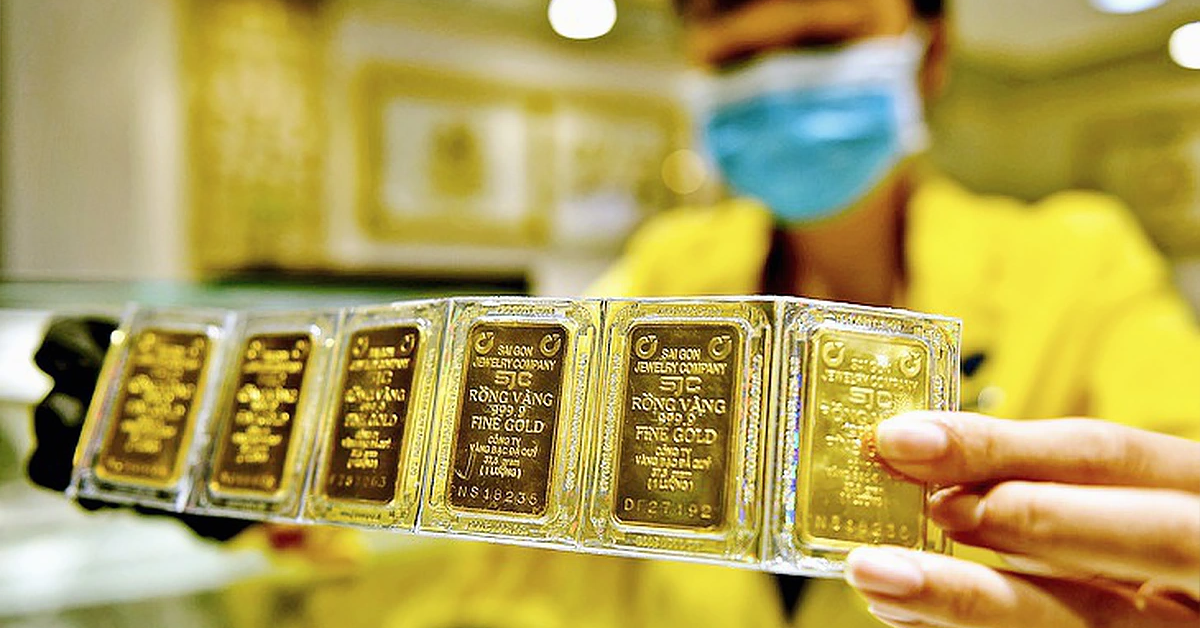
Hanoi is one of Vietnam’s most important commercial centers and has a well-established precious metals market supported by gold retailers, jewelry manufacturers, bullion businesses, and experienced traders. For buyers interested in sourcing gold from Vietnam, Hanoi can provide access to a diverse network of businesses operating within a market where gold has traditionally been regarded not only as a jewelry material but also as a store of value.
For international buyers, however, purchasing gold from Hanoi requires more than simply identifying a seller and negotiating a price. The buyer needs to establish the actual gold content, verify the supplier, understand how the product is classified, review the supporting documentation, and determine whether the proposed transaction complies with Vietnamese export requirements and the laws of the destination country.
There is also an important distinction concerning the terminology used in this market. 23 Karat is conventionally approximately 95.8% gold, not 97.3%. Vietnam’s published technical framework for jewelry and fine-art gold, for example, lists 23K at a minimum gold content of 958 parts per thousand, or 95.8%. Therefore, buyers looking for approximately 97.3% gold should not rely on the “23K” description alone. The precise fineness should be confirmed through an assay or other appropriate quality documentation before a transaction is completed.
For this reason, anyone searching for “Buy Gold From Hanoi – 23 Karat (97.3%) Gold” should approach the market from both a commercial and technical perspective. Understanding the difference between karat terminology and measured fineness can prevent costly misunderstandings, particularly when purchasing significant quantities for international trade.
Why Hanoi Is An Important Gold Market
Hanoi’s importance in Vietnam’s gold industry is closely connected to the city’s long history as a commercial and financial center. The capital has a broad network of jewelry businesses, gold retailers, manufacturers, and precious-metal traders serving consumers and commercial customers.
The city’s gold market also reflects Vietnam’s strong cultural relationship with precious metals. Gold is commonly regarded as a means of preserving wealth, and demand extends beyond decorative jewelry to investment-oriented products and traditional forms of gold ownership.
For a commercial buyer, the advantage of sourcing from an established market such as Hanoi is the availability of businesses with experience in gold transactions. Nevertheless, the existence of a large gold market should never be interpreted as an automatic guarantee that every seller is suitable for an international transaction. Supplier verification remains essential.
Understanding 23 Karat Gold And Gold Fineness
What Does 23 Karat Gold Mean?
The karat system expresses gold content in relation to 24 parts. Pure or nearly pure gold is therefore generally described as 24K, while 23K indicates that 23 of the 24 parts are gold.
Mathematically, 23K corresponds to approximately 95.83% gold, commonly expressed commercially as approximately 95.8% fineness.
Vietnam’s technical rules for jewelry and fine-art gold similarly identify 23K as 958 parts per thousand, or a minimum gold content of 95.8%.
This distinction is particularly important when a buyer is negotiating a contract. The contract should specify the exact agreed fineness rather than relying exclusively on a karat description.
Is 97.3% Gold The Same As 23 Karat?
No. A gold content of 97.3% is higher than conventional 23K purity.
A useful way to understand the difference is to distinguish between the karat designation and the actual measured fineness. A professional transaction should establish the exact gold content through appropriate testing and documentation.
If a supplier describes material as “23K 97.3% gold,” the buyer should request clarification and supporting assay documentation. This is particularly important for wholesale and international transactions, where even a relatively small difference in gold content can affect the value of a large shipment.
What To Look For When Buying Gold From Hanoi
Verify The Supplier Before Negotiating A Large Order
Supplier due diligence should be completed before a buyer commits significant funds. The buyer should establish the legal identity of the business, verify its registration information, confirm its physical and commercial presence, and examine whether it has legitimate experience in the type of gold transaction being proposed.
A professional supplier should be able to provide consistent business information and explain the origin, specifications, testing procedures, pricing methodology, and documentation associated with the gold.
Buyers should be particularly cautious when a supplier provides incomplete corporate information, refuses independent verification, insists on unusual payment arrangements, or offers a price that appears substantially below prevailing market levels.
Confirm The Type Of Gold Being Offered
“Gold” is a broad commercial description. A supplier may be offering jewelry, gold bars, investment products, semi-finished material, recycled gold, or other forms of gold-bearing material.
Before discussing price, the buyer should establish the exact product being offered, including its physical form, weight, fineness, manufacturer or refiner where applicable, markings, packaging, and intended use.
This information should then appear consistently across the quotation, purchase agreement, invoice, assay documentation, and shipping records.
How Gold Purity Should Be Verified
Request A Professional Assay
Gold purity should not be established solely by appearance, color, seller declarations, or informal testing. For a significant commercial purchase, buyers should obtain appropriate assay documentation and, where practical, arrange independent verification.
An assay determines the actual composition of the material and provides a more reliable basis for valuation.
This becomes particularly important when the proposed transaction involves a specification such as “23 Karat (97.3%),” because the terminology itself warrants clarification.
Verify Weight Independently
Weight is another fundamental component of gold valuation. Commercial transactions should use suitable, properly verified weighing equipment, and the recorded weight should correspond with the product documentation.
Vietnam’s regulatory framework has specific measurement requirements for gold transactions, including requirements concerning weighing equipment and verification. The published rules specify accuracy requirements based on the weighing range and require applicable scales to have valid verification status.
For international transactions, the buyer should maintain a clear record of gross weight, net weight, number of pieces, and any applicable packaging weight.
Understanding Gold Pricing In Hanoi
International Gold Prices
The underlying value of gold is influenced by international bullion markets. Global investor demand, central-bank activity, interest rates, inflation expectations, geopolitical developments, currency movements, and market sentiment can all influence gold prices.
Consequently, a quotation from a Hanoi supplier should be evaluated against an appropriate market reference rather than considered in isolation.
Local Market Premiums
The final selling price can differ from an international benchmark because of local market conditions, taxes, manufacturing costs, dealer margins, refining charges, and other commercial expenses.
Buyers should therefore ask suppliers to explain how the quotation was calculated.
Exchange Rates
International buyers must also consider the exchange rate between the Vietnamese dong and the currency in which the buyer ultimately finances the transaction.
Currency movements can materially change the effective purchase price, particularly for large-volume transactions.
Documentation For Purchasing Gold In Hanoi
Commercial Invoice
A commercial invoice should accurately identify the seller, buyer, product, quantity, unit price, total value, currency, and other relevant transaction information.
The description should correspond with the physical product and the supporting quality documentation.
Gold Purity Documentation
The buyer should obtain appropriate documentation establishing the gold’s fineness. Where the transaction involves a specific contractual purity, the documentation should clearly state the measured result.
This is especially important where a supplier uses both karat and percentage terminology.
Product Identification And Marking
Vietnamese rules governing jewelry and fine-art gold include requirements relating to declared standards, labeling, and identification of gold content. The regulatory framework also addresses the retention of quality-related records by businesses.
Buyers should therefore examine product markings and supporting records rather than treating the absence of documentation as a minor issue.
Buying Gold For International Export From Hanoi
Understand Vietnam’s Gold Regulations
Gold is a regulated commodity in Vietnam, and international buyers should not assume that gold purchased from a local retailer can automatically be exported.
Vietnam’s gold-business framework has historically placed significant controls around gold imports, exports, bullion trading, and related activities. Reuters reported in 2024 that Vietnam was considering changes that could allow certain companies to import gold more directly, highlighting the degree to which the sector has been subject to government controls.
Because regulations can change, an international buyer should verify the requirements applicable at the time of the proposed transaction with the relevant Vietnamese authorities and qualified local trade professionals.
Work With Authorized Export Participants
A supplier that can sell gold domestically is not necessarily authorized or equipped to export it internationally.
For an international transaction, the buyer should establish who is legally responsible for export documentation, customs procedures, transportation, insurance, and any required regulatory approvals.
This distinction can prevent a situation in which the buyer completes a domestic purchase but subsequently discovers that the product cannot legally be shipped to the intended destination under the proposed arrangement.
How To Structure A Secure Gold Purchase
Begin With Supplier Due Diligence
The transaction should begin with verification rather than payment. The buyer should establish the supplier’s identity, legal status, business address, banking information, operating history, and authority to conduct the proposed transaction.
Where the transaction is substantial, additional corporate and beneficial-ownership due diligence may be appropriate.
Use A Written Purchase Agreement
A detailed purchase agreement should define the product specification, exact fineness, quantity, pricing mechanism, assay procedure, inspection rights, payment terms, delivery obligations, shipping arrangements, insurance, applicable law, and dispute-resolution mechanism.
A clear agreement is particularly valuable where the transaction involves international transportation or payment in stages.
Establish An Independent Inspection Procedure
For larger purchases, the buyer may require inspection and assay before final payment or before the shipment is released.
The contract should establish who performs the inspection, what testing method is used, where the testing occurs, and what happens if the assay result differs from the contractual specification.
Shipping Gold From Hanoi To An International Destination
Use Specialized Precious Metals Logistics
Gold should not be treated like an ordinary commercial parcel. High-value precious metals require appropriate security procedures, packaging, transportation, insurance, and chain-of-custody controls.
A professional logistics provider can coordinate the movement of the shipment while helping the parties manage the documentation associated with international transportation.
Confirm Import Requirements Before Shipment
The buyer should determine the destination country’s requirements before purchasing the gold. These may include import permits, customs declarations, taxes, duties, anti-money-laundering requirements, source-of-funds documentation, and precious-metal reporting obligations.
The buyer should not wait until the gold has already been purchased before checking these requirements.
Why Independent Due Diligence Matters
Gold transactions can involve substantial amounts of money, making due diligence an essential part of responsible procurement.
A supplier’s website, social-media profile, business card, quotation, or certificate should not by itself be treated as proof of legitimacy. Information should be independently verified wherever possible.
The buyer should establish that the business exists, that the individuals representing it have authority to transact, that the gold exists and meets the contractual specification, and that the proposed transaction can legally be completed.
Common Mistakes When Buying Gold From Hanoi
Choosing The Cheapest Supplier
The lowest quotation is not necessarily the best commercial offer. A significantly discounted price may reflect differences in purity, hidden costs, unavailable documentation, regulatory problems, or other risks.
Buyers should compare the complete transaction cost rather than simply comparing the headline gold price.
Confusing Karat With Percentage Purity
This is one of the most important mistakes to avoid.
A buyer who assumes that 23K automatically means 97.3% may unknowingly contract for a different purity from the one intended. Conventional 23K corresponds to approximately 95.8% gold, while 97.3% represents a higher fineness.
The purchase agreement should therefore state the required fineness explicitly.
Paying Before Verification
Large payments should not be made solely on the strength of a supplier’s promise. Appropriate verification should take place before the buyer assumes substantial financial exposure.
Where possible, payment structures should be linked to clearly defined transaction milestones.
Ignoring Export Restrictions
A buyer may successfully purchase gold within Hanoi but encounter difficulties when attempting to export it. Understanding export authorization and customs requirements before the transaction is therefore critical.
Advantages Of Sourcing Gold From Hanoi
Access To An Established Precious Metals Market
Hanoi provides access to an established network of businesses involved in gold and jewelry. This can give buyers opportunities to compare suppliers, products, pricing, and commercial terms.
Experienced Gold And Jewelry Businesses
The city’s long-established jewelry and precious metals sector means that buyers can find businesses with substantial knowledge of gold products, manufacturing, testing, and retail trade.
Strong Commercial Infrastructure
As Vietnam’s capital and a major economic center, Hanoi provides access to banking, professional services, transportation, logistics, and business-support infrastructure that can facilitate commercial transactions.
Who Can Buy Gold From Hanoi?
Jewelry Manufacturers
Jewelry manufacturers may source high-purity gold for fabrication and production, provided the material meets their required technical specifications.
Bullion And Precious Metals Traders
Commercial traders may seek gold as part of their inventory or supply chain, subject to applicable licensing, regulatory, and import/export requirements.
International Gold Buyers
International buyers can explore sourcing opportunities from Hanoi, but they should conduct additional due diligence concerning export authorization, customs procedures, payment structures, and destination-country requirements.
Why Gold Purity Should Always Be Written Into The Contract
Gold is ultimately valued according to its actual precious-metal content. For this reason, a contract should not rely on vague descriptions such as “high-purity gold” or simply “23K gold.”
A stronger specification would identify the required fineness, tolerance, quantity, assay method, and procedure to be followed if the independent test produces a result outside the contractual range.
This approach provides both parties with an objective standard against which the shipment can be evaluated.
Frequently Asked Questions About Buying Gold From Hanoi
- Is Hanoi A Good Place To Buy Gold? Hanoi is an established gold and jewelry market with numerous businesses involved in precious metals. However, buyers should evaluate individual suppliers rather than assuming that every gold business is suitable for wholesale or international transactions.
- How Much Gold Is In 23 Karat Gold? Conventional 23K gold contains approximately 95.8% gold. Vietnam’s published technical classification lists 23K at 958 parts per thousand, or 95.8% minimum gold content.
- Is 97.3% Gold Considered 23 Karat? Not under the conventional mathematical conversion. 23K is approximately 95.83% gold, whereas 97.3% represents a higher fineness. Buyers should specify the exact percentage or fineness required in the purchase agreement.
- How Can I Verify Gold Purity In Hanoi? The most reliable approach for a commercial transaction is to use appropriate professional assay and testing procedures and obtain documentation confirming the measured gold content. For significant transactions, independent verification can provide additional protection.
- Can I Export Gold Purchased In Hanoi? The ability to export gold depends on the product, transaction structure, applicable Vietnamese regulations, the parties involved, and the requirements of the destination country. Buyers should establish the legal export pathway before completing the purchase.
- What Should I Check Before Paying A Gold Supplier? At minimum, verify the supplier’s legal identity, business credentials, product availability, gold purity, weight, documentation, banking details, contractual terms, and ability to complete the proposed transaction legally.
- Should I Use A Gold Assay Before International Shipment? For substantial transactions, independent assay or another appropriate verification procedure can materially reduce the risk of receiving material that does not meet the contractual specification.
Conclusion
Buying gold from Hanoi can provide international buyers, manufacturers, traders, and investors with access to an established precious metals market and a broad network of gold-related businesses. The city offers a strong commercial environment, experienced jewelry and gold businesses, and infrastructure capable of supporting sophisticated transactions.
However, successful gold procurement depends on careful verification rather than location alone. Buyers should establish the supplier’s legitimacy, confirm the exact gold fineness, independently verify weight and quality where appropriate, review the complete documentation, and understand both Vietnamese export requirements and the regulations of the destination country.
Most importantly, buyers should be precise when discussing 23 Karat and 97.3% purity. Conventional 23K gold corresponds to approximately 95.8% gold, not 97.3%, so these terms should not be treated as interchangeable. Vietnam’s own published technical classification supports the 95.8% figure for 23K.
For a serious international gold transaction, the safest approach is to define the required fineness numerically, verify it through appropriate testing, document it contractually, and ensure that the entire transaction—from supplier verification to export and final delivery—is handled through a transparent and legally compliant process.
Leave a Reply