
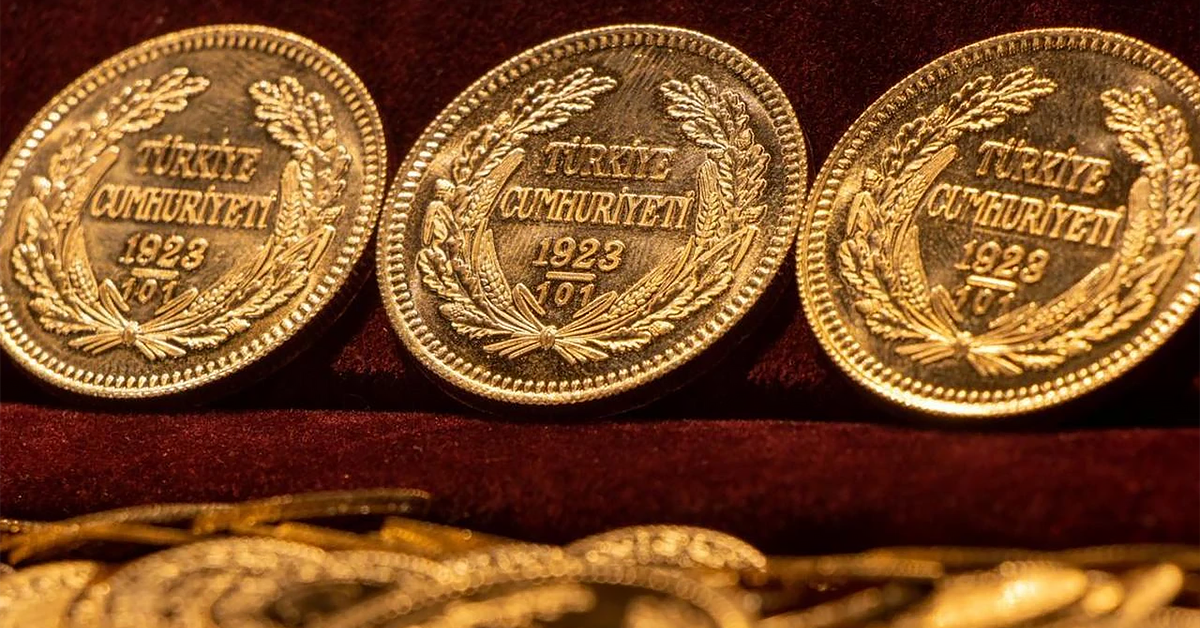
Turkey is one of the world’s well-known markets for gold, supported by a long-established jewelry industry, sophisticated precious-metals businesses, and strong domestic demand for gold products. For international buyers searching for opportunities to buy gold from Turkey, the country offers access to established jewelry manufacturers, bullion businesses, wholesalers, refiners, and precious-metals traders, particularly in major commercial centers such as Istanbul.
For buyers interested specifically in 23 Karat gold with approximately 97.3% purity, Turkey can be an important sourcing market when the transaction is structured correctly and the supplier, product quality, documentation, and applicable regulations have been properly verified. However, buyers should understand that gold purchased in Turkey can take different forms, including jewelry, bullion, refined products, and other precious-metal products, and the applicable requirements can differ depending on the nature of the transaction.
Buying gold internationally is very different from purchasing a piece of jewelry from a local shop. A commercial buyer must consider purity, weight, pricing, supplier verification, payment arrangements, assay documentation, transportation, insurance, customs, and import regulations in the destination country. This makes due diligence an essential part of any serious gold transaction.
Why Turkey Is An Important Gold Market
Turkey has developed a substantial gold and jewelry ecosystem over many decades. Gold plays an important role in Turkish culture and commerce, while the country’s jewelry manufacturing sector serves both domestic consumers and international markets.
Istanbul is particularly important to the country’s precious-metals and jewelry trade. Areas such as the Grand Bazaar and other commercial jewelry districts have become internationally recognized destinations for gold jewelry and precious-metal businesses. The broader industry extends well beyond retail shops, encompassing manufacturers, wholesalers, exporters, refiners, workshops, and professional service providers.
This established ecosystem can be attractive to international buyers because it provides access to businesses with experience in sourcing, manufacturing, pricing, quality control, and international trade.
Understanding 23 Karat And 97.3% Gold Purity
What Does 23 Karat Gold Mean?
Karat is a measurement used to describe the proportion of pure gold in an alloy. Gold designated as 23 Karat contains approximately 23 parts pure gold out of 24 parts, corresponding to roughly 95.8% purity under the conventional karat calculation.
Therefore, buyers should be careful when a product is advertised specifically as “23 Karat (97.3%)”. A stated purity of 97.3% does not mathematically correspond exactly to conventional 23K gold. A purity of 97.3% corresponds to approximately 23.35 Karat.
This distinction is important in commercial transactions. Instead of relying only on a karat description, buyers should request the actual fineness or assay result expressed as a percentage or parts per thousand. The contract should specify the precise purity being purchased.
Why Purity Verification Matters
When purchasing gold internationally, even a small difference in purity can have a substantial financial effect on a large shipment. For example, a buyer purchasing several kilograms of gold should not rely solely on a seller’s verbal statement that the material is “23K.”
The agreed specification should identify the minimum acceptable purity, the method of testing, the laboratory or assayer responsible for verification, and what happens if the delivered material does not meet the contractual specification.
Where To Buy Gold In Turkey
Istanbul Gold Market
Istanbul is generally the first Turkish city international buyers consider when looking for gold suppliers. The city has a dense concentration of jewelry businesses, wholesalers, manufacturers, bullion-related companies, and precious-metals professionals.
The Grand Bazaar is internationally famous for its jewelry trade and can be useful for understanding Turkey’s gold market, comparing designs, and meeting established jewelry businesses. However, international commercial buyers should distinguish between buying finished jewelry as a consumer and sourcing gold for wholesale or cross-border trade.
Kuyumcukent
Istanbul’s Kuyumcukent is another significant center associated with Turkey’s jewelry manufacturing and wholesale ecosystem. The complex brings together numerous businesses involved in jewelry production and related activities.
For commercial buyers, locations such as this can provide opportunities to identify manufacturers and wholesalers rather than relying exclusively on tourist-oriented retail outlets.
Other Turkish Commercial Centers
Gold and jewelry businesses are also found throughout Turkey, including in cities with established jewelry manufacturing and trading communities. The right location depends on whether the buyer wants finished jewelry, bullion, manufacturing services, or another form of precious-metal product.
How To Find A Reliable Gold Supplier In Turkey
Verify The Company’s Legal Identity
Before negotiating a significant gold transaction, buyers should establish exactly who they are dealing with. The supplier’s registered company name, business address, tax information, authorized representatives, and relevant commercial registrations should be verified independently.
A professional supplier should be able to provide documentation supporting its legal identity and business activities.
Confirm Precious-Metals Trading Authorization
Not every jewelry shop is necessarily suitable for a large international commercial gold transaction. Buyers should establish whether the supplier is authorized and properly positioned to conduct the specific type of transaction being proposed.
This distinction is especially important when the transaction involves raw precious metals rather than ordinary retail jewelry.
Review The Supplier’s Trading History
A supplier’s history can provide valuable information about its reliability. Buyers should examine how long the company has operated, what markets it serves, whether it has experience with international customers, and whether it can provide appropriate references or transaction documentation.
A credible supplier should be comfortable explaining its procedures rather than pressuring a buyer to transfer money immediately.
How To Verify Gold Purity In Turkey
Request An Assay Certificate
An assay certificate provides evidence of the tested composition of the gold. For a commercial transaction, the buyer should obtain documentation showing the actual purity rather than relying solely on descriptions such as “23K,” “high purity,” or “investment gold.”
Where the transaction value is significant, independent testing can provide an additional layer of protection.
Use Independent Testing Where Appropriate
A buyer does not necessarily have to rely exclusively on a seller’s internal testing. Depending on the transaction structure, an independent assayer or recognized testing facility can verify the material before final settlement.
Independent verification becomes particularly valuable when the buyer and seller have no previous trading relationship.
Verify Weight Separately
Purity is only one part of gold valuation. Weight must also be established accurately.
The agreed weight should be recorded using appropriate calibrated equipment, with the measurement documented in the transaction records. For larger shipments, the buyer should ensure that the weighing process and documentation are transparent to both parties.
Understanding Gold Prices In Turkey
International Gold Prices
The underlying value of gold is strongly influenced by international bullion prices. Global investor demand, interest rates, inflation expectations, central-bank activity, geopolitical developments, and currency movements can all influence the market.
A Turkish supplier’s quotation may therefore change as the international gold market moves.
The Turkish Lira And Gold Pricing
Currency movements can also influence the local price of gold in Turkey. International buyers should understand which currency is being used for the quotation and whether the price is fixed at the time of the contract, payment, assay, shipment, or another agreed point.
This should be clearly stated in the purchase agreement.
Dealer Premiums And Manufacturing Costs
The final price may be higher than the underlying bullion value because of refining, manufacturing, labor, dealer margins, packaging, transportation, insurance, financing, and other costs.
This is particularly important when purchasing jewelry. The buyer may be paying not only for the gold content but also for craftsmanship and manufacturing.
Buying Gold Jewelry Versus Buying Gold Bullion
Gold Jewelry
Turkey has a major jewelry manufacturing industry, making it attractive to buyers seeking gold necklaces, bracelets, rings, chains, and other finished products.
However, jewelry pricing can include substantial workmanship and design premiums. A jewelry item should therefore not automatically be compared with a bullion product on a simple price-per-gram basis.
Gold Bars And Refined Gold
Bullion products are generally easier to value based on weight and purity because their pricing is more directly linked to the underlying gold content.
For commercial buyers, the exact specifications, refinery or manufacturer, markings, serial numbers where applicable, assay documentation, and chain of custody should be established before purchase.
Documentation Required For International Gold Transactions
Commercial Invoice
A commercial invoice should clearly identify the transaction, including the seller, buyer, product description, quantity, purity, unit price, total value, and agreed commercial terms.
The invoice should correspond accurately with the physical shipment and other transaction documents.
Certificate Of Purity
A certificate of purity or assay report helps establish the quality of the gold being purchased. The document should identify the tested material and provide sufficient information to connect the report to the actual shipment.
Packing And Shipping Documentation
International shipments require appropriate transportation and customs documentation. The exact documents depend on the nature of the gold, the origin and destination countries, the transportation method, and the applicable laws.
Buyers should not assume that documentation required for jewelry is identical to documentation required for raw precious metals or bullion.
Turkish Regulations For Precious Metals
Why Regulatory Compliance Matters
Gold is a highly regulated commodity in many jurisdictions. Turkey’s Ministry of Trade states that precious metals, gems, and valuable items are subject to the country’s foreign-trade and customs framework. Its guidance also specifies particular requirements for importing standard and non-standard raw precious metals, including customs declaration requirements and rules involving Borsa İstanbul.
This means an international buyer should not treat a commercial gold transaction in the same way as an ordinary consumer purchase.
Check The Rules For The Specific Product
Regulations can depend on whether the transaction involves jewelry, refined bullion, raw precious metals, or another category of product. The buyer should therefore establish the exact product classification before arranging the transaction.
Current Turkish import regulations are maintained by the Ministry of Trade, and the country’s 2026 import regime includes updated provisions concerning certain precious-metal and jewelry products.
Shipping Gold From Turkey To Another Country
Work With Specialized Logistics Providers
Precious metals require careful handling throughout transportation. A specialist logistics provider can assist with secure packaging, transportation arrangements, documentation, customs coordination, and insurance.
The appropriate transportation solution should be selected according to the value and nature of the shipment.
Arrange Appropriate Insurance
Gold shipments can represent substantial financial value. Insurance should therefore be considered as part of the transaction structure rather than treated as an afterthought.
The buyer should establish who is responsible for arranging insurance, what risks are covered, when coverage begins and ends, and how claims are handled.
Importing Gold Into Your Destination Country
Understand Destination-Country Requirements
Buying gold from Turkey is only one part of an international transaction. The buyer must also comply with the laws of the destination country.
Import requirements may include customs declarations, permits, taxes, duties, licensing, documentation, anti-money-laundering requirements, and precious-metals reporting obligations.
Before purchasing, buyers should obtain advice from qualified customs and regulatory professionals in the destination jurisdiction.
Confirm Customs Classification
The exact customs classification can affect the applicable procedures and taxes. Finished jewelry, bullion, semi-finished products, and raw precious metals may fall under different classifications.
Correct classification is therefore an important part of international gold trade compliance.
Safe Payment Methods For Buying Gold From Turkey
Use Traceable Financial Channels
Commercial gold transactions should preferably use regulated and traceable financial channels. Buyers should be particularly cautious when a supplier insists on unexplained third-party accounts, personal accounts, cash arrangements, or sudden changes to previously agreed payment instructions.
Any changes to banking details should be independently verified through a trusted communication channel.
Use A Written Purchase Agreement
A properly drafted agreement should establish the product specification, quantity, purity, pricing mechanism, payment terms, inspection procedure, delivery obligations, shipping arrangements, insurance responsibilities, and dispute-resolution provisions.
This documentation provides both parties with a clear understanding of the transaction.
Due Diligence Before Buying Gold From Turkey
Verify The Seller
Seller verification should be completed before substantial funds are transferred. This can include checking company registration, business activities, physical presence, relevant licenses, references, banking information, and transaction history.
The objective is to establish that the business exists, operates legitimately, and is capable of delivering the product it is offering.
Verify The Gold
Supplier verification should be accompanied by product verification. Buyers should establish where the gold originated, how it was refined or processed, what purity it has, how it is being weighed, and what documentation accompanies it.
For larger transactions, independent assay and inspection can provide additional assurance.
Verify The Transaction Structure
A legitimate transaction should have a logical commercial structure. The buyer should understand who owns the gold, who is selling it, who is responsible for transportation, who handles customs, when payment is due, and when ownership and risk transfer.
If these basic questions cannot be answered clearly, the transaction requires additional scrutiny.
Common Mistakes When Buying Gold From Turkey
Choosing The Cheapest Supplier
The lowest quotation is not necessarily the best commercial opportunity. A suspiciously low price may reflect missing costs, inaccurate purity, inadequate documentation, or unacceptable transaction risk.
Buyers should compare the complete landed cost rather than simply comparing the quoted gold price.
Paying Before Verification
Transferring substantial funds before verifying the supplier and product can expose a buyer to significant risk.
Where commercially appropriate, buyers should structure transactions so that verification, documentation, and payment milestones are clearly defined.
Confusing Karat With Fineness
A common mistake is assuming that a karat description and a percentage purity are interchangeable without calculation. Buyers should always confirm the actual fineness.
For example, conventional 23K gold is approximately 95.8% pure, whereas 97.3% purity represents a higher gold content. This distinction should be reflected in the contract and assay documentation.
Why International Buyers Consider Turkey
Established Jewelry And Precious-Metals Expertise
Turkey has developed substantial expertise in gold jewelry manufacturing and precious-metals commerce. This provides international buyers with access to businesses that understand product manufacturing, quality requirements, and commercial supply chains.
Access To Istanbul’s Gold Ecosystem
Istanbul provides a concentrated commercial environment in which buyers can encounter manufacturers, wholesalers, jewelry businesses, and other industry participants.
Competitive Product Selection
The Turkish market provides a wide range of gold products, from traditional jewelry to contemporary designs and commercial precious-metal products. Buyers can therefore source according to their specific requirements.
Is Turkey Suitable For Large Gold Purchases?
Turkey can be a significant gold market, but suitability for a large transaction depends on the exact product, supplier, transaction structure, destination country, and regulatory requirements.
A large commercial transaction should never be approached as simply finding a seller and sending payment. It should be treated as a structured international trade transaction involving supplier due diligence, product verification, contracts, logistics, insurance, customs, and compliance.
Frequently Asked Questions About Buying Gold From Turkey
- Is Turkey A Good Place To Buy Gold? Turkey is an established gold and jewelry market with a substantial network of manufacturers, wholesalers, retailers, and precious-metals businesses. Istanbul is particularly important to the country’s jewelry and gold trade.
- Can I Buy 23 Karat Gold From Turkey? Gold products of different purities are available in Turkey, but buyers should confirm the exact fineness rather than relying solely on a karat description. This is particularly important when the advertised purity is stated as both a karat value and a percentage.
- Is 23 Karat The Same As 97.3% Gold? Not exactly. Conventional 23K gold is approximately 95.8% pure. A purity of 97.3% corresponds to approximately 23.35K. For a commercial transaction, the exact assay or fineness should take precedence over an approximate karat label.
- Where Is Gold Traded In Turkey? Istanbul is a major center for Turkey’s gold and jewelry industry, with important commercial areas including the Grand Bazaar and Kuyumcukent. However, gold and jewelry businesses operate throughout the country.
- How Do I Verify A Gold Supplier In Turkey? Verify the company’s legal identity, business history, relevant authorizations, physical presence, banking information, references, and ability to provide appropriate product and transaction documentation. For significant purchases, professional due diligence is strongly recommended.
- Can Gold Be Shipped From Turkey Internationally? International shipment may be possible depending on the product and applicable Turkish and destination-country regulations. The transaction must comply with customs, precious-metals, transportation, and import requirements.
- Should I Get An Assay Before Buying Gold? For significant commercial purchases, independent assay or inspection can provide valuable protection by confirming that the actual gold meets the agreed purity specification.
- What Documents Should I Request From A Turkish Gold Supplier? Depending on the transaction, buyers may need a commercial invoice, purity or assay documentation, packing and shipping records, company documentation, and other export or customs documents applicable to the product and destination.
Conclusion
Buying gold from Turkey can provide international buyers with access to an established precious-metals and jewelry market supported by experienced manufacturers, wholesalers, retailers, and other industry participants. Istanbul in particular offers a mature commercial environment for buyers exploring Turkish gold suppliers.
However, the most important consideration is not simply where the gold is purchased but how the transaction is verified and structured. Buyers should confirm the supplier’s legal identity, establish the exact gold purity and weight, obtain appropriate assay documentation, agree on transparent pricing, use secure payment arrangements, and ensure that the shipment complies with both Turkish and destination-country regulations.
For buyers specifically seeking 23 Karat or approximately 97.3% purity gold, it is especially important to distinguish between karat terminology and actual fineness. The purchase agreement should state the exact purity being purchased and should be supported by appropriate assay documentation.
With proper due diligence, professional documentation, secure logistics, and regulatory compliance, Turkey can serve as an important sourcing market for buyers seeking gold products for investment, jewelry manufacturing, wholesale distribution, and international trade.
Leave a Reply