
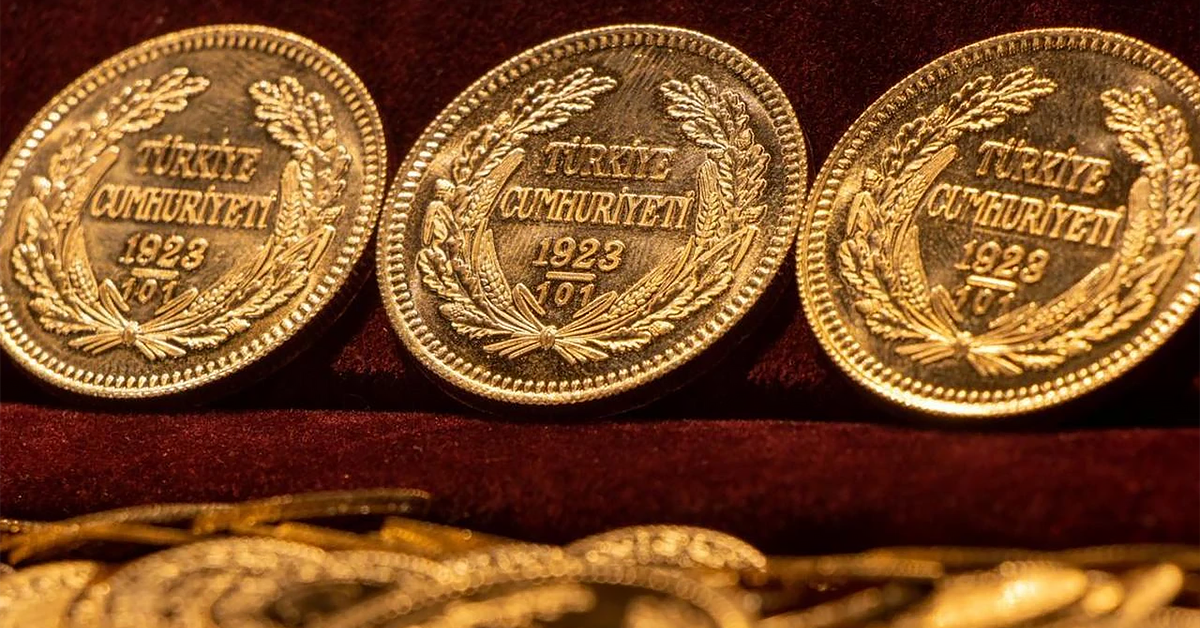
Konya is an established commercial center in central Türkiye with a longstanding jewelry and precious-metals trade. The city has a network of jewelers, gold dealers, wholesalers, and jewelry businesses serving both local consumers and commercial buyers. Current local business listings also show active gold buying and selling operations in Konya, including businesses operating from the Sarraflar Yeraltı Çarşısı area in Meram.
For buyers looking to source gold from Türkiye, Konya can therefore be an interesting market to investigate, particularly when the objective is to establish relationships with established local gold businesses rather than relying exclusively on anonymous online sellers. The city’s jewelry sector has also been studied as a distinct commercial sector, reflecting the importance of gold, jewelry production, investment, and consumer demand within the local economy.
Buying gold, however, requires considerably more than finding a supplier with an attractive quotation. The buyer should establish the exact purity and form of the gold, verify the supplier’s business credentials, understand how the quoted price is calculated, obtain appropriate documentation, and determine how the transaction will comply with the laws of both Türkiye and the destination country.
This guide explains the important considerations for anyone interested in buying gold from Konya, whether for investment, jewelry manufacturing, wholesale distribution, or international trade.
Why Buy Gold From Konya?
Konya’s gold industry is supported by a broad network of traditional jewelers and modern commercial businesses. Local suppliers offer products ranging from gold jewelry and bracelets to other forms of investment and trade gold. For example, established Konya businesses publicly advertise gold buying and selling services and publish live local gold prices, demonstrating an active retail and wholesale market.
One advantage of sourcing from an established regional market is the ability to compare several suppliers before committing to a transaction. Rather than accepting the first quotation received, buyers can examine purity, weight, workmanship, premiums, payment conditions, documentation, and delivery arrangements.
Konya can also be relevant for buyers interested in Turkish-made jewelry. Türkiye has a substantial jewelry manufacturing industry, and research on the country’s jewelry sector identifies gold jewelry production and exports as important components of the wider industry.
Understanding Gold Purity When Buying From Konya
Gold is available in different purity levels, and buyers should never assume that every gold product offered by a Turkish supplier has the same fineness.
In Türkiye, buyers commonly encounter terms such as 24 Ayar, 22 Ayar, 18 Ayar, and 14 Ayar, where “ayar” refers to karat or fineness. The actual purity should always be confirmed through documentation and, where appropriate, independent testing rather than inferred solely from the product description.
For commercial transactions, the purchase agreement should clearly specify the required purity, weight, form of the gold, and acceptable assay tolerance. This is particularly important when purchasing larger quantities, because even a relatively small difference in fineness can materially affect the value of a shipment.
Is 23 Karat Gold Available In Konya?
Buyers specifically seeking 23 Karat gold should communicate the required specification clearly to the supplier rather than assuming that a product described simply as “gold” meets the desired standard.
A 23 Karat specification corresponds to approximately 95.8% gold, not 97.3%. This distinction is important. A purity of approximately 97.3% corresponds to about 23.35 karat, rather than exactly 23 karat. Therefore, if your commercial requirement is 97.3% purity, the purchase agreement should state 97.3% fineness rather than relying only on the term “23 Karat.”
This distinction is particularly important for international buyers because inaccurate terminology can create disagreements between the buyer and seller during assay, valuation, customs declaration, or final settlement.
How To Find Gold Suppliers In Konya
The first step is to identify established businesses with a verifiable physical presence and a history of operating in the precious-metals sector. Konya has businesses operating in the traditional Sarraflar Yeraltı Çarşısı area, while other jewelers operate from different parts of Meram and the wider city.
A buyer should not select a supplier solely because its website displays attractive gold prices. Instead, investigate the company’s legal identity, physical address, years of operation, trading history, customer references, and ability to provide appropriate transaction documentation.
For larger international purchases, the supplier’s ability to communicate professionally in relation to contracts, assay documentation, invoices, banking information, export procedures, and logistics is particularly important.
Verify The Supplier Before Sending Money
Supplier verification should take place before a significant payment is made. Confirm that the company actually exists, that its registered business name corresponds with its commercial identity, and that its bank account and contractual details are consistent.
Where possible, conduct video calls or physical meetings with the supplier and request documentation that can independently be verified. A supplier who is unwilling to provide reasonable information about its business identity should be treated cautiously.
For international transactions, buyers should also verify whether the seller is legally permitted to undertake the particular type of gold trade being proposed. Regulatory requirements can differ depending on whether the transaction concerns jewelry, bullion, scrap gold, or an international export.
Compare Gold Prices In Konya
Gold prices can change continuously as international bullion prices and currency markets move. Local dealers may publish their own buying and selling prices, and the difference between those prices can represent part of the dealer’s commercial margin.
For example, Konya gold dealers publicly publish live prices for products such as 24-karat gram gold and 22-karat bracelets, illustrating that the local market differentiates pricing according to purity, product type, and quantity.
When comparing quotations, buyers should therefore avoid comparing only the headline price. A proper comparison should consider the gold’s fineness, gross and net weight, fabrication or workmanship charges, dealer premium, taxes where applicable, transportation, insurance, assay costs, and any other transaction charges.
Understand The Difference Between Gold Price And Total Purchase Cost
The international spot price of gold is only one component of the final cost. A finished jewelry product, for example, may include manufacturing or workmanship charges that do not apply to a simple bullion product.
Similarly, an international buyer may incur costs associated with secure transportation, insurance, customs procedures, professional services, foreign exchange, and import duties or taxes depending on the destination.
The most useful quotation is therefore one that clearly separates the gold value from all additional charges. This allows the buyer to determine exactly what they are paying for and compare competing suppliers on an equivalent basis.
Request A Detailed Gold Quotation
A professional quotation should identify the product being offered, purity, quantity, unit price, total price, currency, payment terms, delivery terms, validity period, and applicable additional charges.
For larger transactions, the quotation should also explain the basis used to determine the gold price. If the price is linked to an international benchmark, the agreement should specify which benchmark, the applicable pricing time, and the premium or discount applied by the supplier.
This level of transparency is particularly valuable when gold prices are changing rapidly.
Verify Gold Purity Through Assaying
Assaying is one of the most important safeguards in a gold transaction. An assay determines the actual precious-metal content of a sample and can identify whether the material conforms to the agreed specification.
For significant purchases, buyers should consider independent testing rather than relying exclusively on a seller’s statement of purity. The testing procedure should be agreed upon in advance, including who performs the assay, where it takes place, who pays for it, and what happens if the result differs from the contractual specification.
The purchase agreement can also establish a tolerance range and a procedure for resolving differences between the supplier’s stated purity and the independent assay result.
Confirm The Gold Weight
Weight is just as important as purity. A gold transaction involving an incorrect weight can result in substantial financial discrepancies, particularly when dealing with commercial quantities.
The buyer should confirm whether the quoted weight is gross weight or net gold weight and whether packaging, stones, clasps, or other materials are included. For bullion, the bar’s stated weight should be reconciled with the actual measured weight and accompanying documentation.
All measurements should be recorded clearly in the transaction documents.
Obtain Proper Documentation
Documentation is an essential part of a professional gold transaction. Depending on the nature and destination of the shipment, relevant documents may include a commercial invoice, packing list, certificate or report of assay, proof of origin where applicable, transport documentation, insurance documentation, and customs-related paperwork.
International buyers should establish the exact documentation required by the destination country before completing the purchase. Requirements can vary substantially between jurisdictions.
A supplier that provides clear, consistent documentation is generally easier to work with than one that treats paperwork as an afterthought.
Use Secure Payment Methods
Payment arrangements should correspond with the level of risk involved in the transaction. For substantial purchases, buyers should use traceable financial channels and ensure that the beneficiary’s identity matches the contracted supplier.
Any unexpected request to change bank-account details should be independently confirmed using previously verified contact information. This is an important safeguard against payment fraud.
For larger transactions, buyers may also consider contractual payment structures linked to verification, inspection, assay, or delivery milestones where commercially and legally appropriate.
Consider International Gold Shipping Carefully
Buying gold in Konya is only part of the process when the buyer is located outside Türkiye. The gold must also be transported legally and securely to its destination.
International precious-metals shipments can involve customs declarations, export requirements, import requirements, secure logistics, insurance, and documentation relating to the origin and value of the goods.
The buyer should establish the applicable requirements before agreeing to a transaction. It is generally preferable to work with professionals experienced in precious-metals logistics rather than attempting to arrange high-value shipments through ordinary courier services.
Understand Customs And Import Requirements
Every destination country has its own rules governing the importation of precious metals. Requirements may cover licensing, declarations, valuation, taxes, documentation, source-of-funds requirements, anti-money-laundering controls, and reporting obligations.
A buyer importing gold from Türkiye should therefore consult the relevant authorities or qualified customs and trade professionals in the destination country before the shipment is dispatched.
The supplier’s responsibilities and the buyer’s responsibilities should also be clearly established in the sales contract.
Protect The Transaction With Insurance
Gold is a high-value commodity, so transportation insurance deserves careful attention. The insurance policy should cover the actual commercial value of the shipment and should remain valid throughout the relevant transportation period.
Buyers should verify the policy’s exclusions, claim procedures, coverage limits, and conditions for secure handling.
Insurance does not replace proper due diligence, but it provides an additional layer of financial protection when a shipment is in transit.
Common Mistakes To Avoid When Buying Gold From Konya
One of the most common mistakes is selecting a supplier purely because of a low price. A quotation significantly below the prevailing market may appear attractive, but the buyer should investigate whether the difference is explained by purity, product type, missing charges, payment terms, or other conditions.
Another mistake is failing to distinguish between karat and percentage purity. As noted earlier, exactly 23 Karat corresponds to approximately 95.8% gold, while 97.3% represents a higher fineness. Commercial contracts should use precise specifications to eliminate ambiguity.
Buyers should also avoid sending large payments before completing reasonable supplier verification. A professional gold transaction should have a clear commercial trail from supplier identification through quotation, contract, payment, assay, documentation, and delivery.
Why Due Diligence Matters In Gold Trading
Gold transactions involve substantial financial values, which makes due diligence particularly important. A buyer needs to know not only whether the gold exists, but also whether the seller has the legal authority to sell it, whether the stated purity and weight are accurate, whether the transaction is properly documented, and whether the gold can legally be exported and imported.
A thorough due-diligence process protects the buyer while also creating a more professional relationship with legitimate suppliers.
For international buyers, due diligence should extend to the transaction itself. The source of the gold, contractual parties, payment arrangements, transportation route, documentation, and destination requirements should all be reviewed before funds are committed.
Why Konya Can Be Attractive To International Gold Buyers
Konya provides access to a traditional Turkish jewelry and gold-trading environment while maintaining modern commercial connections. Local businesses offer both retail and wholesale services, and some have been operating in the city for many years. For example, Keleş Kuyumculuk states that it has operated in Konya’s jewelry sector since 2008, while other established businesses in the city have considerably longer histories.
This combination of experience and competition can benefit buyers who take the time to compare suppliers and establish appropriate commercial relationships.
However, Konya should be viewed as a market in which to conduct careful supplier selection, rather than as a guarantee that every gold seller is suitable for international trade.
Buying Gold From Konya For Commercial Purposes
Commercial buyers should approach gold procurement differently from individual jewelry purchases. A commercial transaction requires greater attention to purity, weight, pricing formulas, documentation, payment terms, delivery obligations, and regulatory compliance.
Buyers purchasing larger quantities should establish a repeatable procurement process. This may include supplier onboarding, corporate due diligence, independent assay procedures, contractual templates, approved payment channels, logistics arrangements, insurance, and document verification.
Such procedures make it easier to scale purchasing while maintaining control over financial and compliance risks.
Frequently Asked Questions About Buying Gold From Konya
- Is Konya A Good Place To Buy Gold? Konya has an established jewelry and gold-trading sector with numerous local businesses involved in gold buying, selling, and jewelry production. The city can therefore be considered a relevant sourcing market, although buyers should independently verify individual suppliers before purchasing.
- Can I Buy Gold From Konya For International Export? Potentially, yes, but international export depends on the nature of the gold, the seller’s ability to conduct the transaction legally, Turkish export requirements, and the import requirements of the destination country. These requirements should be established before the transaction is finalized.
- What Purity Of Gold Can I Buy In Konya? Gold is traded in several purity levels in Türkiye, including commonly encountered 24, 22, 18, and 14 karat products. The exact specification should always be confirmed with the supplier and supported by appropriate documentation and testing.
- Is 23 Karat The Same As 97.3% Gold? No. Exactly 23 Karat corresponds to approximately 95.8% pure gold. A specification of 97.3% is higher than 23 Karat and is approximately 23.35 Karat. Buyers should therefore state the required percentage purity precisely in commercial agreements.
- How Do I Verify Gold Purchased In Konya? The strongest approach is to combine supplier due diligence, documentation review, weight verification, and independent assay testing. For high-value transactions, independent testing before final settlement can provide an additional layer of protection.
- What Should I Check Before Paying A Gold Supplier? Verify the supplier’s legal identity, physical presence, trading history, product specifications, assay documentation, quotation, banking details, contractual terms, and ability to satisfy the relevant export and import requirements.
Conclusion
Buying gold from Konya, Türkiye can provide access to an established local jewelry and precious-metals market supported by experienced businesses and a long-standing culture of gold ownership and trading. The city’s active network of jewelers and gold dealers makes it a market worth considering for buyers seeking Turkish gold products or commercial sourcing relationships.
The most important factor, however, is not simply where the gold is purchased. Supplier verification, precise purity specifications, independent assay, accurate weighing, transparent pricing, proper documentation, secure payment, insurance, and regulatory compliance are what turn a gold purchase into a professionally managed transaction.
For international buyers, particular attention should be given to the distinction between karat and percentage purity, as well as the export requirements in Türkiye and import requirements in the destination country. With proper due diligence and a clearly documented transaction, buyers can approach the Konya gold market with considerably greater confidence and reduce the risks associated with high-value precious-metals purchases.
Leave a Reply