
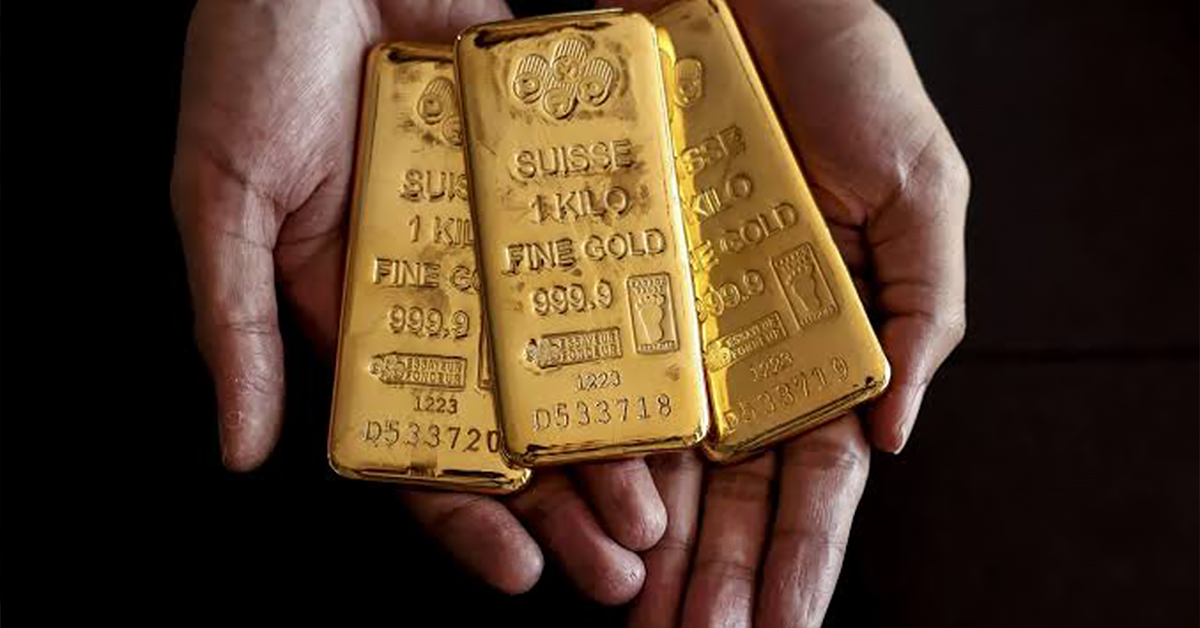
Hat Yai, located in Songkhla Province in southern Thailand, is an important commercial center with a long-established retail and trading environment. Its position near the Malaysian border makes the city particularly significant for cross-border commerce, attracting buyers, traders, tourists, and businesses from Thailand and neighboring countries. Gold shops are part of Hat Yai’s established commercial landscape, particularly around the central shopping districts and traditional market areas.
For buyers interested in sourcing high-purity gold from Thailand, Hat Yai can provide access to established gold businesses and experienced dealers. However, an important distinction should be made when discussing 23 Karat (97.3%) gold: Thailand’s commonly recognized domestic gold standard is approximately 96.5% purity, while individual suppliers may offer products at other purities. A buyer specifically requiring 97.3% gold should therefore confirm the actual assay rather than assuming that every Thai gold product meets that specification. Hat Yai gold businesses, including local establishments that advertise certified 96.5% gold products, demonstrate why verifying the exact purity before purchase is essential.
For international buyers, purchasing gold from Hat Yai should therefore be approached as a professional sourcing exercise rather than simply a retail purchase. Supplier verification, independent testing, weight confirmation, pricing, documentation, payment security, export requirements, insurance, and destination-country import regulations all need to be considered before a transaction is completed.
Why Hat Yai Is An Important Gold Trading Location
Hat Yai is one of southern Thailand’s principal commercial cities and serves as an important gateway for trade between Thailand and Malaysia. Its commercial districts include traditional markets, retail businesses, jewelry stores, and gold shops, creating a marketplace in which precious metals are readily accessible to local consumers and regional buyers.
The city’s gold trade also benefits from Thailand’s broader gold industry. Thailand has thousands of registered gold-shop businesses nationwide, demonstrating the scale and maturity of the country’s precious-metals sector. Data from Thailand’s business-registration ecosystem indicated that 9,728 gold-shop businesses were operating nationwide at the end of 2024.
Within Hat Yai itself, commercial areas around Niphat Uthit Roads and the surrounding central districts contain numerous gold shops alongside other established businesses. This concentration makes the city convenient for buyers who want to compare suppliers, products, pricing, and services in one commercial area.
Understanding 23 Karat (97.3%) Gold
What 23 Karat Gold Means
23 Karat gold refers to gold containing approximately 97.3% pure gold, with the remaining portion consisting of other metals used to modify the material’s physical characteristics. Because gold purity directly affects value, a buyer should ensure that the stated 23K specification is supported by appropriate testing or certification.
It is also important not to confuse 23K gold with the standard purity commonly associated with Thai gold. Thailand is particularly well known for gold products around 96.5% purity, so an international buyer requesting 97.3% gold should state the required purity explicitly in the purchase agreement and request documentation confirming that specification.
Why Purity Verification Matters
A difference in purity may appear small when expressed as a percentage, but it can become financially significant when dealing with larger quantities. For this reason, commercial buyers should not rely solely on descriptions such as “23K,” “high-purity gold,” or “Thai gold.”
The most reliable approach is to establish the exact purity requirement before negotiating the transaction and then confirm it through an appropriate assay, laboratory analysis, or recognized certification process.
How To Find A Reliable Gold Supplier In Hat Yai
Research The Supplier Before Purchasing
A supplier should be evaluated based on its business history, physical presence, reputation, documentation, product quality, and willingness to provide information about the transaction. A professional gold business should be able to clearly explain its products, pricing methodology, purity, weight, payment requirements, and applicable documentation.
Buyers should be cautious when dealing with individuals who operate exclusively through informal communication channels, particularly when they request substantial advance payments without providing verifiable business information.
Verify Business Credentials
Before entering into a significant transaction, buyers should establish the legal identity of the seller and verify relevant business credentials. The supplier’s legal name should correspond with the name appearing on invoices, contracts, bank-account information, certificates, and other transaction documents.
For international purchases, this verification becomes particularly important because the buyer may have limited legal recourse if the seller’s identity or business status cannot be established.
Compare Several Suppliers
Hat Yai’s established commercial environment gives buyers an opportunity to compare multiple businesses before committing to a purchase. Rather than selecting the first supplier offering gold, compare the quoted gold price, purity, making or service charges, documentation, payment terms, assay arrangements, and delivery options.
The objective should be to identify the supplier offering the strongest combination of verified quality, transparent pricing, legitimate documentation, and reliable service, rather than simply the lowest price.
How To Verify 23 Karat Gold In Hat Yai
Request A Purity Certificate Or Assay Report
If the transaction specifically requires 97.3% purity, request documentation that identifies the actual gold content. For larger commercial transactions, an independent assay can provide substantially greater confidence than relying exclusively on a seller’s verbal representation.
The assay documentation should correspond to the specific gold being purchased and, where applicable, identify the weight, sample, testing method, and resulting purity.
Confirm The Weight
Gold should be weighed using an accurate and appropriate scale. The agreed weight should be recorded on the commercial documentation and should correspond with the amount being invoiced.
For larger transactions, buyers should consider having the weighing process independently witnessed or verified.
Match The Product With The Documentation
The physical gold, packaging, markings, certificates, invoices, and other documentation should be consistent with one another. Any unexplained discrepancy between the product and its paperwork should be resolved before payment or shipment.
Understanding Gold Prices In Hat Yai
International Gold Prices
The underlying value of gold is influenced heavily by international bullion markets. Global investor demand, interest rates, inflation expectations, geopolitical conditions, central-bank activity, and currency movements can all affect the market price.
Consequently, the price quoted by a supplier in Hat Yai should be evaluated against the prevailing international gold price and the applicable local market price.
Thai Baht Exchange Rates
International buyers should also consider the exchange rate between their own currency and the Thai baht. Currency movements can materially change the final cost of a gold transaction, particularly when purchasing larger quantities.
Thailand’s gold market has become significant enough that gold-related transactions have also attracted attention from monetary authorities because of their effect on capital flows and the baht. In 2026, the Bank of Thailand introduced additional controls affecting certain online gold transactions, illustrating the importance of checking current rules when arranging substantial transactions.
Supplier Premiums And Additional Charges
The advertised gold price may not represent the final amount payable. Depending on the product and transaction structure, additional costs can include manufacturing charges, dealer margins, testing fees, packaging, transportation, insurance, banking charges, and export-related expenses.
A professional buyer should therefore request a complete quotation rather than comparing only the headline price per gram.
Buying 23 Karat Gold For International Export
Confirm Export Eligibility
A transaction intended for export requires more consideration than a domestic purchase. The buyer and seller should establish whether the supplier is authorized and prepared to conduct the proposed international transaction and whether the product can legally be exported from Thailand.
The applicable requirements can depend on the form of gold, transaction value, destination, parties involved, and current Thai regulations.
Prepare Complete Commercial Documentation
International transactions should be supported by appropriate commercial documentation. Depending on the transaction, this may include a commercial invoice, purchase agreement, certificate or assay report, packing information, shipping documentation, customs declarations, and other regulatory documents.
The exact requirements should be confirmed with the relevant Thai authorities, customs professionals, logistics providers, and authorities in the destination country before shipment.
Understand Destination-Country Requirements
The regulations governing the importation of gold are determined not only by Thailand but also by the country receiving the shipment. Import duties, licensing, declarations, anti-money-laundering requirements, customs procedures, taxes, and precious-metal regulations can vary considerably.
International buyers should therefore establish the destination requirements before purchasing rather than discovering them after the gold has already been shipped.
Secure Payment Practices When Buying Gold From Hat Yai
Use Traceable Payment Methods
For significant transactions, buyers should use transparent and traceable payment channels that provide a clear financial record. Bank transfers to an account held in the verified legal name of the supplier are generally easier to document than informal payment arrangements.
Any request to send funds to an unrelated individual or a different company should be independently verified before payment.
Use A Written Purchase Agreement
A purchase agreement should clearly identify the buyer and seller and specify the gold’s purity, weight, price, payment terms, delivery arrangements, inspection procedures, responsibilities for taxes and charges, and applicable dispute-resolution provisions.
For international transactions, the agreement should also clearly establish who is responsible for export procedures, shipping, insurance, customs clearance, and import obligations.
Shipping Gold From Hat Yai To International Buyers
Work With Experienced Precious-Metal Logistics Providers
Gold is a high-value commodity, and its transportation requires appropriate security and documentation. Buyers should use logistics providers experienced in handling precious metals and international shipments.
The transportation arrangement should account for secure handling, customs procedures, insurance, documentation, and chain of custody.
Insure The Shipment
Where insurance is appropriate and available, the coverage should reflect the actual commercial value of the shipment and remain effective throughout the relevant transportation stages.
Insurance terms should be reviewed carefully rather than assuming that a standard courier or freight policy automatically covers precious metals.
Common Mistakes To Avoid When Buying Gold From Hat Yai
Assuming Thai Gold Is Automatically 23 Karat
This is one of the most important considerations for buyers targeting this keyword. Thai gold is commonly associated with approximately 96.5% purity, so a buyer requiring 97.3% purity should verify the exact specification rather than treating “Thai gold” and “23K gold” as interchangeable terms.
Choosing The Cheapest Supplier
A quotation that is substantially below the market may deserve additional scrutiny. Buyers should investigate whether the quoted amount excludes testing, documentation, logistics, taxes, insurance, or other charges.
Price should be evaluated together with quality, supplier credibility, documentation, and transaction security.
Paying Before Verification
Large advance payments should not be made simply because a supplier promises to provide documentation later. The supplier, product, pricing, contract, and payment instructions should be verified before funds are released.
Ignoring Regulatory Changes
Gold-trading rules can change. Thailand’s introduction of additional controls on certain online gold transactions in 2026 demonstrates that the regulatory environment should be checked before undertaking substantial transactions.
Benefits Of Sourcing Gold From Hat Yai
Access To Thailand’s Established Gold Industry
Hat Yai benefits from Thailand’s mature gold-trading ecosystem. Buyers can access local gold businesses while also benefiting from the broader expertise, infrastructure, and supply networks associated with Thailand’s precious-metals sector.
Convenient Regional Trading Location
Hat Yai’s position in southern Thailand makes it particularly relevant to regional commerce and cross-border trade with Malaysia and neighboring markets.
This geographical position can be advantageous for businesses already operating within Southeast Asia.
Opportunity To Compare Local Suppliers
Because gold businesses are present within Hat Yai’s central commercial areas, buyers can conduct comparative due diligence and evaluate different suppliers rather than relying on a single quotation.
Frequently Asked Questions About Buying Gold From Hat Yai
- Is Hat Yai A Good Place To Buy Gold? Hat Yai is an established commercial center in southern Thailand with a visible gold-retail presence and access to Thailand’s broader precious-metals industry. Buyers should nevertheless evaluate individual suppliers rather than assuming that every gold shop offers the same quality or services.
- Can I Buy 23 Karat Gold From Hat Yai? It may be possible to source gold at approximately 23K purity, but buyers should confirm the exact purity with the individual supplier. Thailand’s commonly recognized domestic gold standard is approximately 96.5%, so buyers specifically requiring 97.3% should request an assay or appropriate certification confirming the specification.
- What Is The Difference Between 23 Karat And 96.5% Thai Gold? 23K gold at approximately 97.3% purity contains more pure gold than 96.5% gold. Although the difference is less than one percentage point, it matters in commercial transactions because the gold content affects valuation.
- How Do I Verify Gold Purity? The safest approach is to use appropriate assay or laboratory testing and to obtain documentation corresponding to the specific gold being purchased. Buyers should not rely solely on appearance, color, seller statements, or the name of the product.
- Can Gold Purchased In Hat Yai Be Exported? Exportability depends on the specific product, transaction structure, applicable Thai requirements, and destination-country regulations. International buyers should verify the applicable rules before completing the purchase.
- Should I Use A Gold Broker Or Intermediary? An experienced and properly verified intermediary can assist with supplier identification, due diligence, documentation, logistics coordination, and transaction management. However, buyers should verify the intermediary’s identity, role, commercial authority, and contractual responsibilities before relying on their services.
Conclusion
Buying gold from Hat Yai can provide international buyers with access to Thailand’s established precious-metals industry and the commercial advantages of one of southern Thailand’s major trading centers. The city has a substantial retail and commercial ecosystem, while its location makes it particularly relevant to regional trade.
For buyers specifically searching for 23 Karat (97.3%) gold, however, purity verification is essential. Thailand is widely associated with approximately 96.5% gold, meaning that a buyer should never assume that a product described as Thai gold automatically satisfies a 97.3% specification. The required purity should be stated clearly in the purchase agreement and independently verified where appropriate.
A successful international gold transaction ultimately depends on more than finding a competitive price. Supplier due diligence, independent purity verification, accurate weighing, secure payment, complete documentation, appropriate insurance, professional logistics, and compliance with both Thai export requirements and destination-country import regulations should form part of the purchasing process.
For businesses sourcing gold internationally, Hat Yai can therefore be considered as a potential sourcing location, provided that every transaction is approached with proper verification, documentation, and regulatory due diligence.
Leave a Reply