
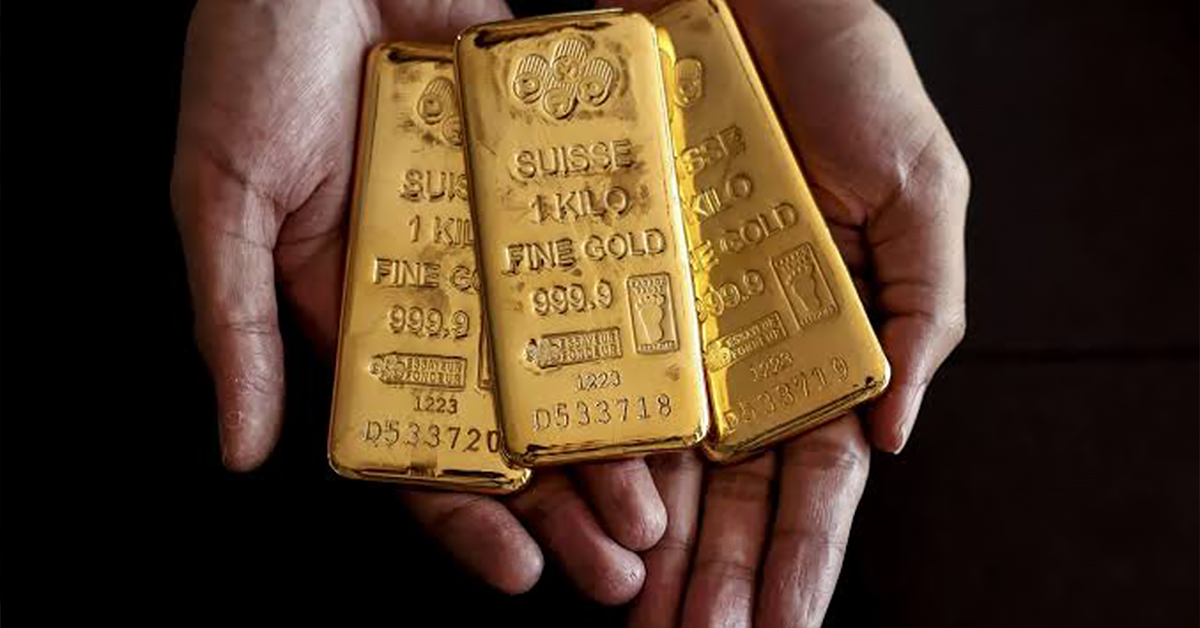
Chiang Mai is one of Thailand’s best-known regional centers for gold and jewelry trading, offering buyers access to established gold shops, wholesalers, jewelry businesses, and precious-metal specialists. The city has a particularly active gold market around traditional commercial areas such as Warorot Market and Chang Moi, where gold businesses have operated for generations. For buyers looking to source high-purity gold, Chiang Mai can provide access to both traditional Thai gold products and higher-purity gold products, although buyers should carefully confirm the exact fineness before completing a transaction.
Thailand’s domestic gold market has its own conventions that international buyers should understand. In particular, 96.5% gold is the most commonly traded Thai gold standard, while some businesses also offer 99.99% and other purities. Established Chiang Mai businesses publicly advertise 96.5% Thai gold, while some local dealers also list products ranging from approximately 14K through 23K and other high-purity products.
For a buyer specifically looking for 23 Karat gold at approximately 97.3% purity, it is therefore important not to assume that every product described simply as “Thai gold” is 23K. The buyer should specify the required fineness in writing, request supporting documentation, and independently verify the metal before finalizing a substantial purchase.
Why Chiang Mai Is An Important Gold Trading Destination
Chiang Mai has a long-established precious-metals and jewelry sector supported by local consumers, tourists, jewelry businesses, artisans, wholesalers, and investors. Its gold market is particularly visible around the old commercial districts, where traditional gold shops operate alongside modern retailers and online businesses.
The city’s established gold-trading culture means that buyers can compare different businesses, product types, premiums, workmanship charges, and buyback arrangements. Some established Chiang Mai shops provide certificates or guarantees with their products, while others specialize in particular forms of gold, jewelry, bullion, or gold components.
For international buyers, this diversity can be useful, but it also means that supplier selection matters. A buyer should distinguish between a retail jewelry purchase and a commercial bullion transaction, because the pricing, documentation, minimum quantities, and transaction procedures can be substantially different.
Understanding 23 Karat (97.3%) Gold
What 23 Karat Gold Means
Karat is a measurement of gold purity. Pure gold is conventionally represented as 24 karats, while 23-karat gold contains approximately 23 parts gold out of 24. This corresponds to approximately 95.8% gold by the conventional karat calculation, not 97.3%.
This distinction is important when purchasing precious metals internationally. A product advertised as 97.3% purity is technically closer to approximately 23.35 karats if karat is calculated directly from fineness. Therefore, buyers should avoid relying solely on the words “23K” and should instead specify the exact required fineness, such as 973 fineness, when that is the contractual specification.
This is particularly important in Thailand because the country’s traditional gold market commonly trades 96.5% gold, and some retailers also sell 99.99% products.
Why Exact Fineness Matters
When purchasing gold internationally, purity affects the intrinsic value of the metal, the applicable pricing, the assay result, customs declarations, and potentially the buyer’s ability to resell or refine the material.
For this reason, a professional purchase agreement should identify the gold by exact fineness, weight, form, and assay requirements rather than using a karat description alone.
If your intended specification is 97.3%, the contract should state that figure explicitly and establish how the purity will be independently tested.
The Thai Gold Standard And How It Differs From 97.3% Gold
Thailand’s Common 96.5% Gold Standard
Thailand has a distinctive domestic gold market in which 96.5% purity gold is the most commonly traded standard. Major Thai gold businesses describe 96.5% as the standard commonly used in the country’s gold market.
This means an international buyer searching for 23K or 97.3% gold in Chiang Mai should not automatically assume that a standard Thai gold bar meets the requested specification.
The difference between 96.5% and 97.3% may appear small, but it represents a meaningful difference in fine-gold content when multiplied across larger commercial quantities.
99.99% Gold Is Also Available
Some businesses operating in Chiang Mai advertise 99.99% gold alongside the traditional 96.5% Thai standard.
This provides buyers with additional options, but it reinforces the importance of specifying the exact purity required before requesting a quotation.
How To Buy Gold From Chiang Mai Safely
Identify The Exact Product Specification
Before approaching suppliers, establish precisely what you want to purchase. The specification should include the required fineness, total weight, bar or jewelry format, acceptable assay tolerance, packaging requirements, and whether the gold is intended for investment, manufacturing, resale, or export.
For a commercial transaction, clarity at the beginning prevents disagreements later.
Compare Several Suppliers
Do not rely on the first quotation you receive. Contact multiple established businesses and compare their gold price, premium, workmanship charges where applicable, documentation, assay arrangements, payment terms, and buyback conditions.
Price differences can arise from factors other than the underlying gold price, so quotations should be compared on an equivalent basis.
Request A Written Quotation
A professional quotation should identify the product, purity, weight, price basis, currency, applicable charges, and validity period.
Because gold prices can change rapidly, a quotation should also make clear whether the price is fixed or linked to a particular market reference at the time of payment.
How To Verify Gold Purity In Chiang Mai
Request A Certificate Or Assay Documentation
A certificate of authenticity or assay documentation can provide useful evidence of the product’s stated purity. However, buyers making significant commercial purchases should consider independent testing rather than relying solely on a supplier-issued document.
Arrange Independent Assaying
For high-value transactions, an independent assay can provide an objective determination of the gold content. The testing method should be agreed by both parties before the transaction, particularly where the purchase agreement specifies a minimum fineness.
Independent verification is especially valuable when the gold will subsequently be exported, refined, or sold to another commercial buyer.
Confirm The Weight
Weight should be measured using calibrated equipment appropriate for precious-metal transactions. The exact gross weight, net weight, and, where relevant, fine-gold content should be recorded.
For larger transactions, the buyer should retain copies of weighing records and assay documentation as part of the transaction file.
Understanding Gold Prices In Chiang Mai
Thai Gold Prices Are Closely Connected To International Markets
Gold prices in Thailand respond to international gold prices as well as movements in the Thai baht. Domestic gold businesses generally publish buying and selling prices that change as market conditions change.
This means a buyer should establish whether a quoted price is based on the current Thai market reference, an international spot price, or a supplier-specific calculation.
Understand The Baht-Weight Unit
Thailand commonly uses the baht-weight as a unit for gold. A standard 1-baht gold bar is approximately 15.244 grams, according to established Thai bullion-market references.
International buyers accustomed to grams or troy ounces should therefore convert all quantities before comparing quotations. This prevents misunderstandings over the amount of gold being purchased.
Consider The Premium And Other Charges
The final purchase price may include more than the underlying value of the gold. Depending on the product and transaction, additional costs can include fabrication, dealer premiums, packaging, assay fees, transportation, insurance, taxes, and export-related expenses.
A proper cost comparison should account for the complete landed cost rather than simply comparing advertised gold prices.
Documentation For International Gold Purchases
Commercial Invoice
The commercial invoice should accurately describe the gold, including its form, weight, purity, quantity, unit price, total value, buyer, seller, and transaction terms.
This documentation is important for accounting, customs, and regulatory purposes.
Assay Or Purity Certificate
The purity certificate should correspond to the actual shipment and identify the testing organization where applicable. For large transactions, buyers should ensure that the assay procedure and acceptable tolerance are clearly established.
Export Documentation
If the gold is being transported outside Thailand, additional export and customs requirements may apply. These requirements depend on the nature of the product, destination country, transaction structure, and applicable Thai regulations.
International buyers should therefore establish the requirements with qualified customs and trade professionals before arranging shipment.
Secure Payment Practices When Buying Gold From Chiang Mai
Use Traceable Payment Methods
High-value gold transactions should be conducted through traceable financial channels appropriate for the transaction. Buyers should be cautious about requests for payment to unrelated third parties or sudden changes to previously verified banking instructions.
Where bank details change during a transaction, the new instructions should be independently confirmed with the supplier through a trusted communication channel.
Use A Written Purchase Agreement
A purchase agreement should establish the responsibilities of both parties before funds are transferred. It should address purity, weight, price, payment milestones, assay procedures, delivery arrangements, insurance, documentation, and dispute resolution.
A clear agreement is particularly important when the buyer and seller are located in different countries.
Exporting Gold From Chiang Mai
Understand Thai Export Requirements
Buying gold in Thailand and exporting it internationally are separate considerations. A product that can legally be purchased domestically may still require additional documentation or procedures before it can be exported.
The buyer should establish the applicable requirements before committing to a large transaction.
Check The Destination Country’s Import Rules
The buyer is also responsible for understanding the regulations of the destination country. Import requirements can include customs declarations, permits, taxes, documentation, anti-money-laundering requirements, and precious-metals reporting obligations.
Failure to prepare the required documentation can result in delays, additional costs, or seizure of goods.
Use Professional Precious-Metal Logistics
Where the transaction involves substantial value, transportation should be handled by a provider experienced in precious-metal logistics. Appropriate security, insurance, packaging, tracking, and customs coordination are essential.
The logistics arrangement should be established before the gold is released for shipment.
Common Mistakes To Avoid When Buying Gold From Chiang Mai
Assuming All Thai Gold Is 23 Karat
This is one of the most important points for international buyers. Thailand’s commonly traded domestic gold standard is 96.5%, while other purities, including 99.99%, are also available.
If you require 97.3% gold, specify 973 fineness rather than simply asking for “Thai gold.”
Choosing A Supplier Solely Because Of A Low Price
A quotation substantially below the prevailing market may warrant additional investigation. Buyers should evaluate the supplier’s identity, business history, documentation, assay arrangements, payment instructions, and delivery terms before considering the price attractive.
Paying Before Verification
For substantial transactions, buyers should establish a clear verification procedure before making irreversible payments. Depending on the transaction structure, this may involve supplier due diligence, contract verification, independent assay arrangements, or controlled payment milestones.
Confusing Baht Currency With Baht-Weight
Thailand uses the word “baht” both for its currency and as part of the traditional gold-weight system. A baht-weight of gold is a measurement of physical gold, not one unit of Thai currency.
This distinction should always be made clear in international quotations and contracts.
Why International Buyers May Consider Chiang Mai
Access To Established Gold Businesses
Chiang Mai has an established network of gold businesses, including retailers and wholesalers operating in traditional commercial districts. Some local businesses have decades of operating experience and sell gold according to established Thai market standards.
A Diverse Range Of Gold Products
Depending on the supplier, buyers can encounter gold jewelry, bars, components, high-purity products, and other precious-metal products. This variety makes it possible to source gold for different commercial purposes.
Established Local Gold-Trading Culture
Gold is deeply integrated into Thailand’s financial and consumer culture. Recent reporting has also highlighted the country’s substantial gold-trading activity and the importance of gold shops in the domestic financial ecosystem.
For international buyers, this established culture can provide access to experienced market participants, but it should not replace proper supplier and transaction due diligence.
Frequently Asked Questions
- Can I Buy 23 Karat Gold From Chiang Mai? Yes, high-purity gold products are available in Chiang Mai, but buyers should verify the exact fineness of the product. Thailand’s most commonly traded domestic gold standard is 96.5%, while some businesses offer 99.99% and other purities.
- Is 23 Karat Gold The Same As 97.3% Gold? Not exactly. Under the conventional karat calculation, 23K corresponds to approximately 95.8% gold. A purity of 97.3% is higher than conventional 23K and corresponds to approximately 23.35K. For commercial transactions, the exact fineness should therefore be specified rather than relying solely on the karat designation.
- What Purity Is Commonly Sold In Thailand? The most commonly traded Thai gold standard is 96.5%, although 99.99% and other purities are also available.
- How Much Does Gold Cost In Chiang Mai? Gold prices change according to international gold prices, currency movements, local market conditions, product purity, weight, and supplier premiums. Buyers should obtain a current quotation directly from the supplier rather than relying on an old advertised price.
- Can Gold Bought In Chiang Mai Be Exported? Potentially, but export requirements depend on the product, transaction, destination, and applicable Thai regulations. Buyers should verify current export requirements and destination-country import rules before purchasing gold for international shipment.
- How Can I Protect Myself When Buying Gold? The strongest safeguards are supplier due diligence, exact contractual specifications, independent purity verification, accurate weighing, secure payment procedures, appropriate insurance, and complete transaction documentation.
Conclusion
Buying gold from Chiang Mai can provide international buyers with access to an established Thai precious-metals market supported by experienced gold businesses, traditional trading districts, and a wide range of gold products. However, buyers seeking 23 Karat (97.3%) gold should pay particular attention to purity terminology because Thailand’s domestic market commonly uses a 96.5% gold standard, while other products may be sold at 99.99% or different fineness levels.
The safest approach is to define the required gold specification precisely, preferably by fineness rather than karat alone, obtain quotations from established suppliers, verify the supplier’s credentials, independently confirm the gold’s purity and weight, and establish all payment, delivery, insurance, and documentation requirements before completing the transaction.
For commercial and international buyers, Chiang Mai can be a valuable sourcing market, but the quality of the transaction ultimately depends on due diligence. A transparent supplier, properly documented purchase agreement, independent assay, secure payment process, and compliant export and import arrangements provide the foundation for a successful gold purchase.
Leave a Reply