
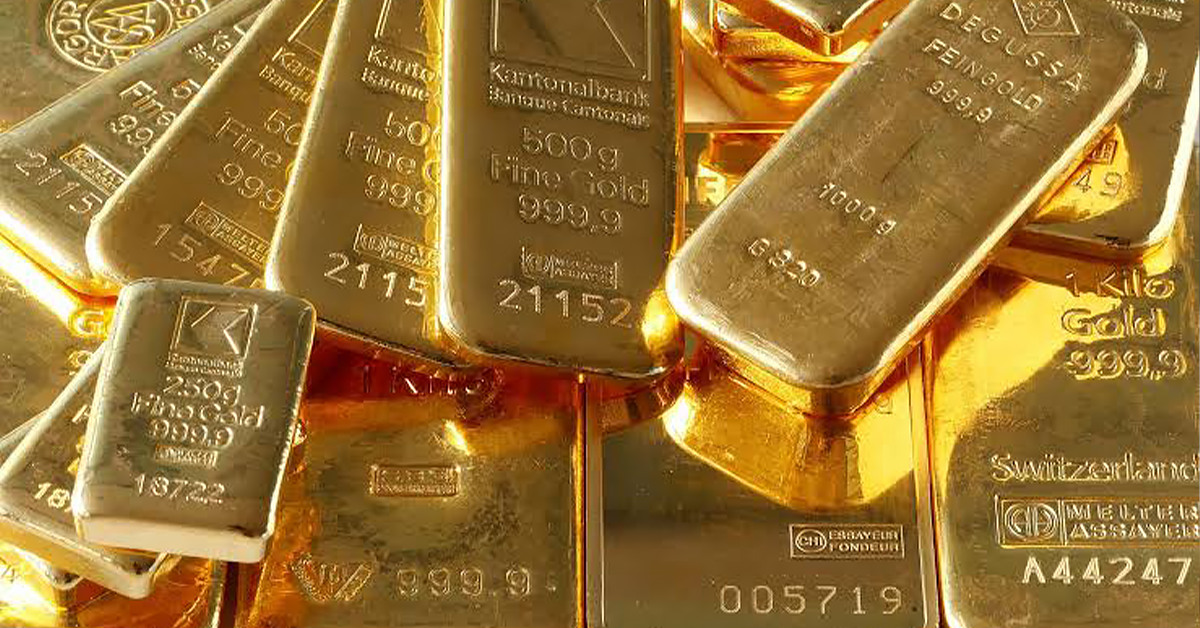
Saudi Arabia is one of the most important precious metals markets in the Middle East, supported by strong consumer demand, an established jewelry industry, sophisticated commercial infrastructure, and a long-standing cultural connection with gold. For buyers looking to source gold from the Kingdom, the market provides access to bullion dealers, jewelry manufacturers, wholesalers, refiners, and other precious metals businesses operating across major commercial centers.
For buyers specifically interested in 23 Karat (97.3%) gold, Saudi Arabia can be an attractive sourcing destination. However, purchasing gold internationally requires more than comparing quoted prices. Buyers need to establish the exact purity and weight of the gold, verify the supplier’s credentials, understand the applicable Saudi regulations, confirm documentation, and determine how the gold will be transported and cleared in the destination country.
Saudi Arabia’s regulatory framework for precious metals has also evolved. In October 2025, Saudi authorities announced amendments to the Precious Metals and Gemstones Law, including changes to the supervision of the sector and requirements concerning the disclosure and marking of precious-metal products.
Why Saudi Arabia Is An Important Gold Trading Market
Gold has a particularly strong position within Saudi Arabia’s retail and commercial economy. The Kingdom has developed a substantial jewelry and precious metals sector serving local consumers, businesses, investors, and visitors. Major commercial centers such as Riyadh, Jeddah, Dammam, and Makkah have extensive jewelry and precious metals markets, creating opportunities for buyers to source different forms of gold.
The market is supported by established banking, transportation, customs, and logistics infrastructure. This is particularly relevant to international buyers because a successful gold transaction does not end when the gold is purchased. The product must also be properly documented, securely transported, insured where appropriate, and cleared through the relevant customs procedures.
Saudi Arabia’s regulatory framework requires businesses involved in precious metals and gemstones to comply with applicable licensing and regulatory requirements. The Saudi legal framework also establishes requirements concerning the marking and handling of precious-metal products.
Understanding 23 Karat (97.3%) Gold
What Does 23 Karat Gold Mean?
23 Karat gold refers to gold containing approximately 97.3% pure gold, with the balance consisting of other metals used to provide additional physical strength and other characteristics.
The karat system expresses gold purity relative to 24 parts. Consequently, 23K gold represents a very high-purity gold product while retaining slightly more structural strength than 24K gold.
For commercial buyers, however, the stated karat value should never be accepted solely on the basis of a seller’s description. The actual purity should be supported by appropriate documentation and, where commercially appropriate, independent assay or laboratory testing.
Why Buyers Choose High-Purity Gold
High-purity gold is attractive because a greater proportion of the product’s weight consists of actual gold. This makes purity an important factor when calculating the underlying metal value of a transaction.
For a commercial buyer, the relevant calculation should therefore consider weight, fineness, market gold price, applicable premium, taxes or duties, transportation, insurance, and other transaction costs rather than relying solely on the quoted price per kilogram or per gram.
Where To Buy Gold In Saudi Arabia
Riyadh
Riyadh is Saudi Arabia’s principal commercial and administrative center and has a substantial market for jewelry and precious metals. Buyers seeking commercial suppliers can find businesses involved in jewelry, bullion, precious metals, and related services.
For international buyers, Riyadh can be particularly relevant when dealing with established businesses that maintain formal commercial records and can provide the documentation required for an international transaction.
Jeddah
Jeddah is an important commercial and logistics center on Saudi Arabia’s Red Sea coast. Its location makes it particularly significant for international trade and transportation.
Buyers sourcing gold from Jeddah should still conduct the same supplier verification and product testing that would be expected in any other market. A major commercial city does not automatically mean that every gold seller is suitable for an international transaction.
Dammam
Dammam and the wider Eastern Province form another important commercial region in Saudi Arabia. Its proximity to major economic and industrial centers makes the area relevant to businesses involved in domestic and international trade.
How To Find A Reliable Gold Supplier In Saudi Arabia
Verify The Company’s Commercial Identity
Before discussing large quantities of gold, establish exactly who the seller is. Obtain the company’s legal name, commercial registration information, physical business details, authorized representative, telephone number, and official business documentation.
The identity of the contracting party should correspond with the identity of the business receiving payment. Buyers should be particularly cautious when an individual asks for payment into an unrelated personal account or when the contracting company and payment beneficiary are different without a clear, independently verified explanation.
Confirm The Supplier’s Precious Metals Authorization
Gold trading and precious metals activities are subject to regulatory requirements in Saudi Arabia. The Saudi government states that the trade or manufacture of precious metals and gemstones is subject to licensing requirements, while the regulatory framework also establishes requirements concerning precious-metal marking.
A buyer should therefore request evidence that the supplier is legally authorized to conduct the relevant activity and should independently verify important credentials wherever possible.
Examine The Supplier’s Track Record
A supplier’s history is an important component of commercial due diligence. Buyers should examine how long the business has operated, whether it has established commercial premises, whether it works with recognized financial institutions and logistics providers, and whether it can provide verifiable business references.
A professional supplier should be comfortable discussing the origin, specification, documentation, inspection, and delivery arrangements for the gold being offered.
How To Verify 23 Karat Gold Purity
Request A Certificate Of Analysis
A certificate of analysis or assay report provides evidence of the gold’s tested composition. For a transaction involving 97.3% purity, the buyer should ensure that the documentation clearly identifies the tested material and its measured fineness.
For larger transactions, independent testing can provide an additional layer of protection before final payment or shipment.
Conduct Independent Assaying
Independent assaying is one of the strongest ways to reduce uncertainty regarding precious-metal purity. Depending on the transaction structure, the buyer may arrange testing through an appropriately qualified laboratory or recognized assaying facility.
The testing process should establish a clear chain of custody so that the material tested is demonstrably the same material being purchased.
Verify Weight Independently
Purity is only one part of the valuation equation. The exact weight of the gold must also be confirmed.
For larger transactions, buyers should use appropriate certified weighing equipment and ensure that the weight is recorded on the commercial documentation. The agreed weight, packaging weight, net gold weight, and other relevant measurements should be clearly distinguished.
Understanding Gold Pricing In Saudi Arabia
International Gold Prices
The underlying value of gold is influenced by international bullion markets. Global economic conditions, investor demand, interest-rate expectations, geopolitical developments, central-bank activity, and currency movements can all influence gold prices.
Consequently, a supplier’s quotation should be evaluated against the relevant market benchmark rather than considered in isolation.
Purity And Fine-Gold Content
Two gold products with different purities and weights cannot be compared accurately simply by looking at their total prices.
For example, a buyer comparing 23K gold with another purity should calculate the amount of fine gold contained in each product before evaluating the commercial offer. This provides a more meaningful basis for comparison.
Dealer Premiums And Other Charges
The final acquisition cost may include a premium above the underlying gold price. Depending on the transaction, additional costs can include refining, fabrication, assay, packaging, secure transportation, insurance, customs clearance, banking, and other professional services.
A professional quotation should therefore explain the basis on which the final price has been calculated.
Saudi Arabia’s Precious Metals Regulations
Licensing And Regulatory Oversight
Saudi Arabia has a formal regulatory framework governing precious metals and gemstones. In October 2025, the Ministry of Commerce announced the implementation of amendments to the Precious Metals and Gemstones Law, with responsibilities divided between the Ministry of Commerce and the Ministry of Industry and Mineral Resources according to the nature of the activity. The announcement also addressed industrial licensing and other requirements affecting the precious metals sector.
International buyers should therefore confirm the rules applicable to the specific type of gold being purchased and the nature of the transaction rather than relying on outdated information.
Marking And Identification
Saudi regulations contain requirements concerning the marking of precious-metal products. The existing legal framework states that precious-metal bars and manufactured articles offered for sale must meet applicable marking requirements, while imported precious-metal goods intended for trade may be subject to examination, analysis, and marking or recognition of an accepted mark.
This makes proper identification and documentation particularly important for international transactions.
Product Disclosure
Saudi authorities announced in 2025 that amendments to the regulatory framework include requirements concerning advertising precious-metal and gemstone products, including disclosure of the type, weight, fineness, and price according to the nature of the item.
For buyers, this reinforces the importance of receiving clear product specifications rather than relying on vague descriptions such as “high-quality gold” or “pure gold.”
Documents To Request Before Buying Gold
Commercial Invoice
A commercial invoice should identify the buyer and seller and clearly describe the gold being purchased. It should include relevant information such as quantity, weight, purity, unit price, total value, and agreed commercial terms.
The information should correspond with the actual shipment.
Certificate Of Origin
Where required for the transaction, a certificate of origin establishes the declared origin of the goods. International buyers should ensure that origin documentation is consistent with the transaction and the applicable customs requirements.
Assay Or Purity Certificate
The assay documentation should correspond to the specific gold being sold. For high-value transactions, buyers should avoid accepting generic certificates that cannot be connected to the actual shipment.
Packing And Shipping Documents
International shipments require appropriate transportation and customs documentation. The exact documents depend on the shipment structure, destination country, transport method, and applicable regulations.
Buying Gold For International Export
Understand The Export Requirements
Buying gold in Saudi Arabia and exporting it to another country are two separate stages of the transaction. A buyer must comply not only with Saudi export requirements but also with the import regulations of the destination country.
This is particularly important when the shipment is commercial rather than a personal purchase.
Check Destination-Country Requirements
Before paying for gold, buyers should establish what their destination country requires for importing precious metals. These requirements can include customs declarations, import documentation, taxation, licensing, source-of-funds information, anti-money-laundering controls, assay documentation, and proof of origin.
The buyer should establish these requirements before the gold leaves Saudi Arabia.
Use Professional Precious-Metal Logistics
High-value gold shipments should be handled through appropriate secure logistics arrangements. The logistics provider should understand precious-metal transportation, customs procedures, documentation, security, and insurance.
The shipping arrangement should be agreed in writing before the transaction is finalized.
Customs And Declaration Requirements
Saudi Arabia’s Zakat, Tax and Customs Authority, or ZATCA, provides customs declaration services for travelers carrying certain categories of valuable goods. Current ZATCA guidance states that travelers entering or leaving Saudi Arabia must declare gold bars, precious metals, gemstones, and jewelry at or above the applicable threshold, with the current ZATCA declaration page stating SAR 40,000 or more. Commercial quantities are also subject to declaration requirements.
This is particularly important because carrying gold personally is not the same as arranging a formal commercial export. Buyers should not assume that physically carrying gold through an airport is an alternative to complying with commercial export and customs procedures.
Safe Payment Practices When Buying Gold
Use Formal Banking Channels
Large gold transactions should be conducted through established banking channels that provide an auditable payment record. Buyers should be able to establish exactly who is receiving the funds and why.
Payment instructions should be independently verified, particularly if banking details change after a contract has been signed.
Avoid Unexplained Third-Party Payments
If the seller requests payment to an unrelated individual or company, the buyer should stop and investigate the arrangement before transferring funds.
The contracting party, invoice issuer, beneficiary, and actual supplier should be appropriately connected and documented.
Use A Detailed Sales Agreement
A properly drafted gold sales agreement should establish the identity of the parties, product specifications, purity, quantity, price, inspection procedure, payment schedule, delivery terms, documentation, shipping responsibilities, insurance, and dispute-resolution provisions.
The more valuable the transaction, the more important it becomes to define these matters before funds are transferred.
How To Protect Yourself From Gold Scams
Be Careful With Unrealistically Low Prices
A price significantly below the prevailing market value should immediately trigger additional due diligence. Genuine gold has a widely observable underlying market value, meaning that extremely large discounts require a credible commercial explanation.
Buyers should not allow an unusually attractive quotation to override normal verification procedures.
Do Not Rely On Photographs Alone
Photographs, videos, certificates, passports, business licenses, and warehouse images can all be useful during preliminary discussions, but none should independently establish that the gold exists, belongs to the seller, or meets the agreed purity.
Physical verification, independent documentation, and controlled transaction procedures provide much stronger protection.
Verify Documents Independently
Documents supplied by a seller should be independently checked whenever possible. Contact information should be obtained from trusted official sources rather than relying exclusively on telephone numbers or email addresses supplied within a document.
Benefits Of Buying Gold From Saudi Arabia
Access To An Established Precious Metals Market
Saudi Arabia has a mature precious metals industry supported by established commercial businesses, regulatory institutions, financial services, and logistics infrastructure.
This provides international buyers with a structured environment in which to conduct due diligence and negotiate commercial transactions.
Strong Regional Trade Connections
Saudi Arabia’s position as a major Middle Eastern commercial center creates connections with markets across the Gulf, Asia, Africa, and other regions.
For businesses involved in international precious metals trading, these connections can support broader sourcing and distribution strategies.
Professional Commercial Infrastructure
Banking, customs, logistics, transportation, and business-support services can facilitate international gold transactions when the appropriate procedures are followed.
Frequently Asked Questions
- Is Saudi Arabia A Good Place To Buy Gold? Saudi Arabia has an established and highly developed precious metals market, making it an important destination for gold buyers. However, the quality of an individual transaction depends on the supplier, product, documentation, pricing, and compliance arrangements.
- Can I Buy 23 Karat Gold In Saudi Arabia? Gold products of different purities are available in the Saudi market. However, buyers seeking specifically 23K or approximately 97.3% purity should confirm the actual fineness through appropriate documentation and, where necessary, independent assay rather than relying solely on the seller’s description.
- How Do I Know If Gold From Saudi Arabia Is Genuine? The safest approach is to combine supplier due diligence with physical inspection, appropriate marking and documentation, weight verification, and independent purity testing. No single photograph or certificate should be treated as conclusive evidence for a high-value transaction.
- Can Gold Purchased In Saudi Arabia Be Exported? Gold can be subject to customs, precious-metals, and export requirements. The precise procedure depends on the nature of the gold, the transaction, the exporter, the method of transportation, and the destination country. Buyers should establish the applicable requirements before purchasing and shipping.
- Do I Need To Declare Gold When Leaving Saudi Arabia? ZATCA currently states that travelers must declare gold bars, precious metals, gemstones, and jewelry valued at SAR 40,000 or more, while commercial quantities are also subject to declaration requirements. This does not replace any separate commercial export requirements that may apply to a business shipment.
- What Should I Check Before Paying A Gold Supplier? At minimum, verify the supplier’s legal identity, relevant authorization, physical business presence, gold ownership or availability, purity, weight, assay documentation, price calculation, payment beneficiary, contract terms, shipping arrangements, and applicable export and import requirements.
Conclusion
Buying 23 Karat (97.3%) gold from Saudi Arabia can provide access to an established and sophisticated precious metals market in one of the Middle East’s most important commercial economies. Saudi Arabia’s strong gold culture, established jewelry and precious metals sector, commercial infrastructure, and international connectivity make it an important market for buyers seeking high-purity gold.
Nevertheless, the safest gold transaction is one built on verification rather than trust alone. Buyers should confirm the supplier’s legal identity and authorization, independently verify the gold’s purity and weight, review the complete commercial documentation, use secure payment channels, and establish the applicable export and destination-country import requirements before committing funds.
For international buyers, the objective should not simply be to find the cheapest gold. The objective is to acquire genuine gold of the agreed purity and weight from a verifiable supplier through a documented, compliant, and secure transaction. By applying proper due diligence at every stage, buyers can significantly reduce transaction risks and establish sustainable relationships within Saudi Arabia’s gold market.
Leave a Reply