
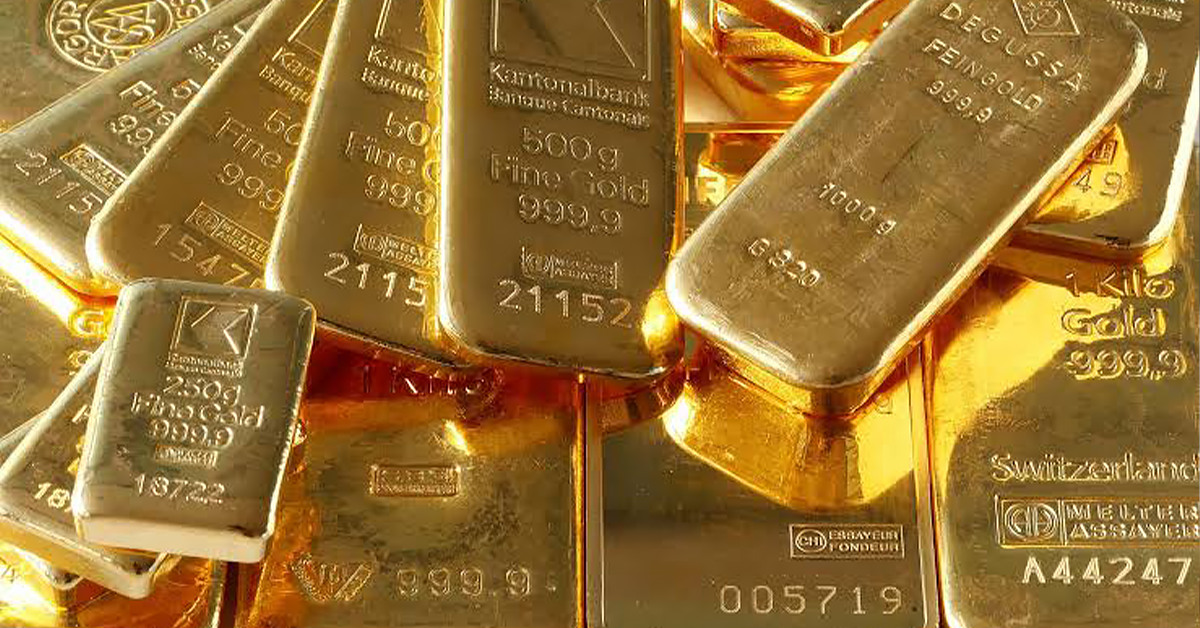
Riyadh is one of Saudi Arabia’s most important commercial centers and an established destination for precious metals trading. As the country’s capital and a major financial and business hub, the city provides access to traditional gold markets, established jewelry businesses, bullion dealers, and professional financial and logistics services. For buyers interested in sourcing high-purity gold, Riyadh offers a marketplace where gold products can be compared based on purity, weight, market price, workmanship, supplier reputation, and transaction terms.
For buyers specifically looking for 23 Karat (97.3% purity) gold, it is important to understand that Saudi Arabia’s domestic jewelry market is particularly associated with 21K and 22K gold, while 24K gold is commonly used for investment bullion. Current Saudi gold-market references generally list 24K, 22K, 21K, and 18K as the principal commonly quoted karats. Therefore, a buyer requesting 23K gold should confirm the exact purity through an independent assay or recognized certification rather than assuming that a product described as “high-purity gold” is automatically 97.3% pure.
For international buyers, purchasing gold from Riyadh requires more than simply comparing the advertised price per gram. Supplier verification, purity testing, accurate weighing, documentation, payment security, insurance, transportation, and compliance with both Saudi Arabian and destination-country requirements should all be considered before a transaction is completed.
Why Riyadh Is An Important Gold Trading Destination
Riyadh occupies a central position in Saudi Arabia’s commercial and financial economy. The city’s established gold districts and traditional souqs operate alongside modern jewelry retailers and professional precious-metals businesses, giving buyers access to different purchasing channels depending on whether they are interested in jewelry, investment gold, bullion, or larger commercial transactions.
Traditional gold markets in Riyadh, including the historic Deerah area and Al-Batha Gold Market, are particularly associated with jewelry and physical gold trading. These markets provide buyers with the opportunity to compare multiple merchants in one area, while modern retailers and specialized bullion businesses may offer more structured purchasing processes and documentation.
The city’s broader financial infrastructure is another advantage for commercial buyers. Riyadh’s position as Saudi Arabia’s capital means that businesses involved in banking, logistics, insurance, international trade, and corporate services are readily accessible, making it possible to coordinate more complex precious-metals transactions.
Understanding 23 Karat (97.3%) Gold
What 23 Karat Gold Means
The karat system expresses the proportion of pure gold contained within an alloy. Under the conventional 24-part system, 24K represents essentially pure gold, while lower karats contain a proportion of other metals.
A gold product described as 23 Karat contains approximately 23 parts gold out of 24, equivalent to approximately 95.83% gold, rather than 97.3%. Therefore, the expression “23 Karat (97.3%)” should not be treated as mathematically equivalent under the standard karat system.
If a supplier specifically offers gold described as 97.3% purity, the buyer should rely on the stated fineness and an independent assay rather than converting the percentage into a karat designation incorrectly. A fineness of 973 means 973 parts of gold per 1,000 parts of material. This distinction is particularly important in international commercial transactions where the purity specification determines valuation.
Why Buyers Should Specify Purity Clearly
Before requesting a quotation from a Riyadh supplier, buyers should clearly specify the required purity, form, quantity, and acceptable assay standard. For example, rather than simply requesting “23K gold,” a commercial buyer can specify the required 97.3% fineness, subject to independent verification.
Clear specifications reduce the possibility of misunderstandings between the buyer and seller and make competing quotations easier to compare.
Where To Look For Gold In Riyadh
Traditional Gold Markets
Traditional gold markets remain an important part of Riyadh’s precious-metals landscape. Deerah, also referred to as Dira or Dirah, is located in the historic center of Riyadh and is known for its concentration of gold businesses. Al-Batha is another established gold-shopping destination offering a broad range of gold products and jewelry.
These markets can be particularly useful for buyers who want to compare multiple merchants, inspect products physically, and negotiate commercial terms. However, buyers purchasing significant quantities should still conduct formal supplier due diligence and obtain appropriate documentation.
Established Jewelry And Bullion Businesses
Modern jewelry retailers and bullion-focused businesses provide another purchasing channel. These businesses may offer more standardized documentation, receipts, product identification, and structured payment procedures.
For investment-grade bullion, buyers should distinguish between ordinary jewelry products and professionally refined investment products. The latter generally have clearly stated weight and purity specifications and may include refinery identification and serial numbers.
How To Find A Reliable Gold Supplier In Riyadh
Verify The Company’s Identity
A legitimate commercial transaction should begin with identifying the legal entity selling the gold. Buyers should obtain the company’s registered name, business address, telephone information, authorized representative, and relevant registration details.
Where the transaction involves international export, buyers should also establish whether the supplier is legally positioned to undertake the proposed export transaction.
Check The Supplier’s Trading History
A supplier’s history can provide useful evidence of commercial credibility. Buyers should investigate how long the company has operated, what types of gold it normally trades, whether it serves international customers, and whether it can provide verifiable business references.
Large transactions should never be based solely on a website, social-media profile, or an attractive quotation.
Request Supporting Documentation
Professional suppliers should be able to explain the origin, purity, weight, and ownership of the gold being offered. The exact documents required will depend on the nature of the transaction, the form of gold, and the jurisdictions involved.
Documentation should be reviewed before payment rather than after the transaction has already been completed.
How To Verify 97.3% Gold Purity
Request An Independent Assay
For a commercial purchase, an independent assay is one of the most important safeguards available to the buyer. Testing should establish the actual gold content rather than relying exclusively on a seller’s description.
Depending on the circumstances, professional testing may involve techniques such as X-ray fluorescence (XRF), fire assay, or another appropriate laboratory method. The appropriate method depends on the material being tested and the level of accuracy required.
Match The Assay To The Shipment
A common mistake is verifying a sample while failing to establish whether the sample accurately represents the entire shipment. For larger transactions, the buyer should agree in advance on sampling procedures, testing arrangements, acceptable tolerances, and what happens if the assay result differs from the contractual specification.
These provisions should be documented within the purchase agreement.
Verify Weight Separately
Purity and weight are two separate aspects of gold valuation. A product can have the correct purity but an incorrect weight, or the correct weight but a lower-than-agreed purity.
Commercial buyers should therefore verify both independently using calibrated weighing equipment and appropriate assay procedures.
Understanding Gold Prices In Riyadh
Gold Prices Follow International Markets
Gold is traded internationally, meaning the underlying value of the metal is heavily influenced by global bullion markets. Local prices are then affected by currency exchange rates, dealer margins, product premiums, workmanship, taxes where applicable, and other transaction costs.
Saudi gold-price services publish live or frequently updated prices for several common karats, allowing buyers to monitor movements in the local market.
Compare The Raw Gold Price With The Final Price
Buyers should distinguish between the underlying metal price and the final amount charged by a merchant. Gold-market references in Saudi Arabia specifically distinguish raw gold prices from prices that include workmanship or merchant-related costs.
For jewelry purchases, workmanship can materially change the final price. For commercial bullion transactions, the relevant premium may instead relate to refining, fabrication, certification, financing, logistics, or dealer margins.
Monitor Currency Exchange Rates
International buyers should also monitor the Saudi Riyal exchange rate against their own currency. Even when the underlying gold price remains stable, exchange-rate movements can change the effective acquisition cost.
For large transactions, the currency conversion mechanism should be clearly defined in the quotation or purchase agreement.
What Documents Should Be Obtained When Buying Gold
Commercial Invoice
A commercial invoice should clearly identify the seller, buyer, product, quantity, purity, unit price, total value, and applicable transaction terms.
For international shipments, the invoice becomes particularly important because customs authorities and other stakeholders may rely on it when evaluating the shipment.
Assay Or Purity Certificate
The assay or certificate of analysis should identify the tested material and the reported purity. Where appropriate, the buyer should ensure that the testing organization is independent and suitably qualified.
Certificate Of Origin
Depending on the transaction and destination country, a certificate or other evidence establishing the origin of the gold may be required. Buyers should determine the applicable requirements before shipment.
Shipping And Customs Documents
International transportation requires appropriate shipping and customs documentation. The exact documents depend on the shipment, transport method, exporting jurisdiction, and importing jurisdiction.
The buyer should work with qualified customs and logistics professionals rather than assuming that documentation requirements are identical for every destination.
Safe Payment Practices When Buying Gold From Riyadh
Use Traceable Financial Channels
For substantial transactions, payments should normally be made through properly documented financial channels that create an auditable record. The buyer should verify the beneficiary information independently before making payment.
Unexpected changes to bank details should be treated cautiously and confirmed through an established communication channel.
Avoid Paying Large Amounts Before Verification
Payment structures should correspond with the transaction’s risk profile. Where possible, buyers should establish verification, inspection, assay, and delivery conditions before releasing substantial funds.
For larger transactions, professionally drafted agreements and appropriate financial safeguards can provide significantly greater protection than informal arrangements.
International Shipping Of Gold From Riyadh
Use Specialized Precious-Metals Logistics
Gold should not be treated like ordinary commercial cargo. High-value shipments require appropriate security, packaging, insurance, tracking, and customs coordination.
A logistics provider with experience handling precious metals can help coordinate the shipment while ensuring that the relevant transportation and documentation requirements are addressed.
Obtain Appropriate Insurance
Insurance should reflect the actual value and risks associated with the shipment. Buyers should understand when coverage begins, when it ends, what events are covered, and whether there are exclusions that could affect a high-value precious-metals shipment.
What International Buyers Should Consider Before Buying
Understand The Export Requirements
Before purchasing gold for export from Riyadh, the buyer should establish what Saudi Arabian laws and regulations apply to the specific transaction. Export requirements can depend on the form of gold, quantity, origin, destination, parties involved, and purpose of the transaction.
The buyer should obtain professional regulatory guidance where necessary rather than relying on generic online information.
Check The Import Requirements Of The Destination Country
The destination country may impose separate requirements involving customs declarations, taxes, import permits, precious-metals regulations, anti-money-laundering controls, and documentation concerning the origin of the gold.
The fact that a shipment can legally leave Saudi Arabia does not automatically mean that it can enter another country without additional procedures.
Common Mistakes To Avoid When Buying Gold From Riyadh
Choosing A Supplier Solely Because Of A Low Price
An unusually low price should never be considered proof of a good deal. Buyers should determine exactly what is included in the quotation and compare the purity, weight, documentation, testing, insurance, logistics, and payment conditions.
A lower headline price can become more expensive once additional costs and risks are considered.
Confusing 23K With 97.3% Purity
This is particularly important for buyers using the phrase “23 Karat (97.3%) gold.” Under the standard 24-part karat system, 23K corresponds to approximately 95.83% gold, while 97.3% represents a different fineness specification.
The safest approach is to put the required purity in numerical fineness or percentage terms within the contract and require independent assay confirmation.
Failing To Verify The Gold Before Payment
A photograph, video, hallmark, or seller’s statement should not replace independent verification for a significant commercial purchase.
The buyer should establish a clear procedure for physical inspection, sampling, assay, and acceptance.
Ignoring The Total Landed Cost
The purchase price is only one component of the final cost for an international buyer. Freight, insurance, customs charges, taxes, testing, banking costs, handling, and other expenses may affect the final landed price.
Why Buyers Choose Riyadh For Gold Sourcing
Access To A Mature Gold Market
Riyadh provides access to a well-established gold marketplace supported by traditional trading districts, modern retailers, financial services, and professional businesses.
The city’s gold markets offer buyers opportunities to compare suppliers and products within a concentrated commercial environment.
Strong Regional Commercial Connections
Riyadh’s position as Saudi Arabia’s capital and a major Middle Eastern business center provides access to regional financial, transportation, and commercial networks.
This can be particularly useful for buyers conducting larger or recurring transactions.
Multiple Purchasing Channels
Buyers can source gold through traditional markets, established jewelry businesses, bullion dealers, and other specialized channels. The appropriate option depends on whether the buyer requires jewelry, investment bullion, or commercial quantities.
Frequently Asked Questions
- Is Riyadh A Good Place To Buy Gold? Riyadh is an established gold-trading destination with traditional gold markets, established retailers, and access to broader financial and commercial infrastructure. Buyers should nevertheless conduct appropriate due diligence before purchasing.
- Can I Buy 23 Karat Gold In Riyadh? A buyer may encounter high-purity gold products, but 23K should not automatically be treated as equivalent to 97.3% purity. Saudi-market references commonly quote 24K, 22K, 21K, and 18K, so a buyer requiring 97.3% should specify the purity precisely and have it independently assayed.
- What Is 97.3% Gold? Gold with 97.3% purity contains 973 parts of gold per 1,000 parts of material. This should be distinguished from the conventional 23K designation, which corresponds to approximately 95.83% under the standard 24-part karat calculation.
- How Should I Verify Gold Purity? The most reliable approach for a commercial transaction is to use an appropriate independent assay or laboratory test and ensure that the tested material corresponds to the shipment being purchased.
- What Should I Check Before Paying A Gold Supplier? Verify the supplier’s legal identity, business history, ownership and documentation of the gold, agreed purity, weight, assay arrangements, price, payment terms, shipping responsibilities, insurance, and applicable export and import requirements.
- Are Gold Prices The Same At Every Shop In Riyadh? The underlying market value of gold is broadly linked to international prices, but the final price can vary according to the product, purity, workmanship, dealer margin, and other charges. Saudi gold-market sources specifically note that workmanship and merchant costs can affect the final price.
Conclusion
Buying Gold From Riyadh can provide access to an established Saudi Arabian precious-metals market with traditional gold souqs, modern retailers, bullion businesses, and supporting financial and logistics infrastructure. For buyers seeking 97.3% purity gold, Riyadh can be considered as a sourcing market, but the transaction should be approached with particular attention to how purity is specified and verified.
The distinction between 23 Karat and 97.3% purity is especially important. A professionally prepared purchase agreement should state the required purity explicitly rather than relying on potentially ambiguous terminology. Independent assay testing, accurate weight verification, supplier due diligence, secure payment procedures, complete documentation, insurance, and compliance with export and import requirements should form the foundation of any substantial transaction.
For international buyers, the objective should not simply be to find the lowest quoted price in Riyadh. A successful gold transaction is one in which the buyer can establish the authenticity, purity, weight, ownership, documentation, and lawful movement of the gold while understanding the complete landed cost. With appropriate due diligence and professional transaction procedures, Riyadh can serve as an important sourcing point for buyers participating in the international gold trade.
Leave a Reply