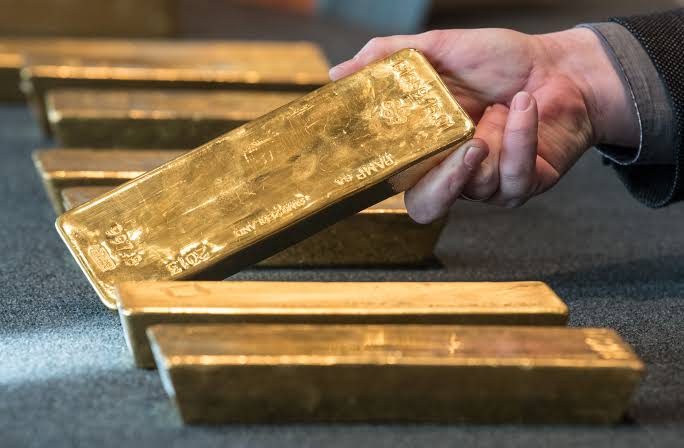
Pforzheim, Germany, is one of Europe’s best-known centres for jewellery, goldsmithing, precious metals and watch manufacturing. Often referred to as the “Gold City”, Pforzheim has developed a distinctive position within the German precious-metals industry, combining traditional craftsmanship with modern refining, manufacturing and bullion operations. The city’s official tourism authority describes Pforzheim as the centre of the German jewellery and watch industry, while established precious-metals companies continue to operate refining and manufacturing facilities in the city.
For buyers looking to source gold from Germany, Pforzheim can therefore be an interesting market to explore. The city offers access not only to finished jewellery but also to bullion products, semi-finished precious-metal products, refining services and businesses serving professional jewellery and industrial customers. A buyer’s specific requirements will determine which type of supplier is appropriate, particularly when purchasing gold for investment, manufacturing, wholesale distribution or international trade.
However, buying gold should never be based simply on the reputation of a city. The individual supplier, the exact gold specification, assay documentation, pricing, transaction structure, delivery arrangements and applicable regulations all need to be assessed before a transaction is completed.
Why Pforzheim Is Known As Germany’s Gold City
Pforzheim’s association with precious metals extends well beyond retail jewellery. The city has a long-established industrial ecosystem around jewellery and watchmaking, with companies involved in refining, precious-metal processing and the production of semi-finished materials.
One notable example is Agosi, which traces its origins to 1891, when it was established by Pforzheim jewellery and watch manufacturers. The company has since expanded from precious-metal refining into a broader range of precious-metal products and services and is headquartered in Pforzheim.
The city also has established bullion and precious-metal retail operations. For example, Degussa’s Pforzheim branch describes its facility primarily as a refinery producing semi-finished products for trade and industrial users, including jewellery makers, while also offering selected bullion products to retail customers.
This combination of manufacturing, refining and bullion expertise is what makes Pforzheim different from a city known primarily for jewellery shops. Buyers can potentially access a broader precious-metals ecosystem rather than simply a retail market.
Understanding Gold Purity Before Buying
Gold purity should be one of the first specifications established before purchasing gold from Pforzheim or anywhere else. The karat system expresses gold purity relative to 24 parts. Pure gold is conventionally described as 24 karat, while lower-karat gold contains additional metals used to alter characteristics such as hardness, colour and durability.
A 23-karat gold product contains approximately 95.8% pure gold when calculated directly from the karat system. This is an important distinction because the commonly quoted figure of 97.3% does not correspond mathematically to 23K gold.
For commercial transactions, buyers should therefore rely on the actual assay or fineness stated on the product documentation, rather than assuming that a particular karat description automatically corresponds to a specific percentage.
What 97.3% Gold Actually Represents
A purity of 97.3% means that 973 parts out of every 1,000 parts are gold, with approximately 27 parts consisting of other metals or non-gold material.
Converted into the traditional 24-karat scale, 97.3% purity corresponds to approximately 23.35 karats. Consequently, describing a product as “23 Karat (97.3%)” can create an inconsistency that sophisticated buyers, assayers and compliance teams may question.
For an SEO article intended to attract serious gold buyers, it is better to explain this distinction openly. If a supplier’s certificate states 97.3% purity, the website should present the product according to the certified fineness and avoid assigning a karat value that does not accurately correspond to it.
How To Buy Gold From Pforzheim
The purchasing process begins by establishing exactly what type of gold the buyer requires. Gold may be purchased as bullion bars, investment products, semi-finished material, jewellery, scrap or other forms of precious-metal products. Each category has different quality, documentation, pricing and regulatory considerations.
Once the product specification has been established, the buyer should identify an appropriate supplier and request detailed information about the available material. This should include the gold’s fineness, gross and net weight, form, manufacturer or refiner, assay documentation, price basis and availability.
For larger commercial purchases, buyers should avoid treating a simple price quotation as sufficient evidence of a legitimate transaction. Supplier verification and product verification should take place before substantial funds are transferred.
How To Verify A Gold Supplier In Pforzheim
Supplier due diligence is particularly important when purchasing precious metals internationally. A professional supplier should be able to provide verifiable company information, a physical business presence, appropriate commercial documentation and clear information about the product being offered.
Buyers should check the company’s legal identity, business address, contact details and trading history. Where the transaction involves exportation, the buyer should also establish whether the supplier is appropriately positioned to handle the relevant export and customs requirements.
The supplier’s willingness to provide documentation is itself an important indicator of professionalism. A seller who refuses reasonable verification requests, provides inconsistent company information or pressures a buyer to make immediate payment should be approached with caution.
Verify The Gold With Independent Testing
One of the most important protections available to a gold buyer is independent verification of the material. A supplier’s internal certificate can provide useful information, but larger transactions may justify independent testing by an appropriately qualified laboratory or assayer.
Testing methods can determine the material’s elemental composition and help establish whether the actual gold content corresponds with the contractual specification.
This is particularly important when the transaction involves a stated purity such as 97.3%. Instead of relying solely on a verbal representation that the material is “23 karat,” buyers should establish the precise fineness supported by laboratory or assay documentation.
Understand Gold Pricing In Pforzheim
Gold prices are primarily influenced by international bullion markets rather than being determined exclusively by the city in which the gold is purchased. A supplier in Pforzheim will generally consider the prevailing market price when establishing a quotation.
The final price may also include a premium or discount depending on the form of the gold, quantity, purity, refining requirements, fabrication costs, supplier margin and other commercial considerations.
For example, a buyer purchasing investment-grade bullion may receive a different quotation from a manufacturer purchasing semi-finished precious-metal material. Similarly, jewellery prices can include craftsmanship and manufacturing costs that are separate from the underlying value of the gold.
Compare The Total Cost Rather Than The Gold Price Alone
When comparing suppliers, buyers should calculate the total landed cost rather than simply comparing the quoted price per gram or kilogram.
The total cost can include the gold itself, supplier premiums, assay or testing charges, packaging, transportation, insurance, customs charges, taxes and other applicable expenses.
For international buyers, foreign-exchange movements can also affect the final cost. A quotation denominated in euros may produce a substantially different cost in the buyer’s local currency depending on the exchange rate at the time of settlement.
Documentation To Request Before Purchasing
Professional documentation is essential when purchasing gold, particularly for international transactions. Depending on the transaction, buyers may need documents identifying the supplier, purchaser, product, quantity, purity, value and transportation arrangements.
A commercial invoice should clearly identify the parties and describe the gold being purchased. The description should correspond with the physical product and any available assay documentation.
For higher-value transactions, buyers should also retain assay reports, certificates of analysis, packing documentation, payment records and relevant transportation documents.
Understand The Difference Between Bullion And Jewellery Gold
Buyers searching for gold from Pforzheim should distinguish between bullion and jewellery. Pforzheim is internationally associated with jewellery and watchmaking, but its precious-metals ecosystem also includes refining and bullion-related activities.
Bullion is generally purchased primarily for its precious-metal value, whereas jewellery incorporates additional value from design, craftsmanship, manufacturing and sometimes gemstones.
If the objective is investment or commercial gold trading, the buyer should determine whether bullion is more appropriate than jewellery. If the objective is jewellery manufacturing, semi-finished precious-metal products may be more relevant.
Buying Gold For International Trade
International buyers should pay particular attention to the distinction between purchasing gold in Germany and exporting gold from Germany. The fact that gold is available for purchase in Pforzheim does not automatically mean that it can be shipped to every destination without additional procedures.
The buyer and seller should establish who is responsible for export formalities, transportation, insurance, customs documentation and import requirements in the destination country.
This should be clearly documented in the commercial agreement rather than left to informal communication.
Secure Payment Procedures For Gold Transactions
Because gold transactions can involve substantial amounts of money, payment procedures should be agreed upon before the contract is signed. Buyers should use appropriate financial channels and ensure that the beneficiary information corresponds with the verified contracting party.
Any unexpected change to banking information should be independently verified using previously confirmed contact information.
For larger transactions, buyers may also consider contractual mechanisms that link payment to clearly defined milestones, subject to the commercial arrangement and applicable law.
Why Due Diligence Matters When Buying Gold
Gold is a high-value, easily transferable commodity, which makes due diligence particularly important. A buyer should not rely solely on photographs, certificates supplied by an unknown intermediary or attractive pricing.
A proper due-diligence process should establish who owns the gold, who is selling it, where the gold is located, what its verified purity is, what documentation accompanies it and whether the proposed transaction complies with applicable laws and regulations.
For commercial buyers, this process is not merely administrative. It is an essential component of financial and operational risk management.
The Advantages Of Sourcing Gold From Pforzheim
Pforzheim’s greatest advantage is its established precious-metals ecosystem. The city combines jewellery manufacturing, goldsmithing, refining, bullion activities and industrial precious-metal services within a historically important commercial centre.
The presence of established refining and precious-metals businesses also gives professional buyers access to companies with specialized knowledge of gold processing and related materials.
For jewellery manufacturers, Pforzheim can be particularly attractive because of its deep connection with the German jewellery and watch industry.
Pforzheim Gold For Jewellery Manufacturers
Jewellery manufacturers can benefit from Pforzheim’s specialized industrial ecosystem. The city has a long history of producing jewellery and watches and continues to support businesses serving the jewellery manufacturing sector.
Precious metals may be supplied in different forms depending on the manufacturer’s requirements, including materials intended for further processing. Refiners and precious-metal companies can therefore play a different role from retail bullion dealers.
Manufacturers should specify the required fineness, alloy composition, dimensions, weight tolerance and other technical requirements before placing an order.
How To Protect Yourself From Gold Scams
One of the biggest warning signs in the international gold market is a quotation that appears dramatically below the legitimate market value without a credible commercial explanation.
Buyers should also be cautious of suppliers who demand urgent payment, refuse independent testing, provide incomplete company information or offer documentation that cannot be independently verified.
A legitimate transaction should allow sufficient time for reasonable verification. The pressure to “pay immediately before the opportunity disappears” should never replace proper due diligence.
Frequently Asked Questions About Buying Gold From Pforzheim
- Is Pforzheim A Good Place To Buy Gold? Pforzheim is an important German centre for jewellery, goldsmithing and precious metals. The city is officially promoted as the “Gold City” and the centre of the German jewellery and watch industry. It also has established refining and bullion-related businesses.
- Is 23 Karat Gold 97.3% Pure? No. Under the conventional karat calculation, 23K gold is approximately 95.8% pure. Gold with a certified fineness of 97.3% corresponds to approximately 23.35K. Buyers should therefore rely on the actual assay or fineness certificate when specifying gold purity.
- Can I Buy Gold Bullion In Pforzheim? Yes. Pforzheim has businesses offering bullion products as well as companies involved in precious-metal refining and processing. Availability, product type and minimum quantities vary by supplier.
- How Should I Verify Gold Purchased In Pforzheim? The safest approach is to verify the supplier and obtain appropriate product documentation, followed where appropriate by independent assay or laboratory testing. The actual fineness should correspond with the contractual specification.
- Is Pforzheim Mainly A Jewellery City? Pforzheim is particularly famous for jewellery and watchmaking, but its precious-metals sector extends beyond finished jewellery. The city also has refining, semi-finished product manufacturing, bullion and industrial precious-metal activities.
- What Should I Check Before Buying Gold From Germany? Before purchasing, verify the supplier’s legal identity, product ownership, gold purity, weight, pricing, documentation, payment arrangements, delivery terms and any applicable export and import requirements.
Conclusion: Buying Gold From Pforzheim
Buying gold from Pforzheim gives investors, jewellery manufacturers, wholesalers and international buyers access to one of Germany’s most established precious-metals centres. The city’s identity as the “Gold City” is supported by a long history of jewellery and watchmaking as well as an established network of precious-metal businesses, refiners and manufacturers.
For buyers, however, the strength of the Pforzheim market should complement—not replace—proper due diligence. The most important considerations remain the verified identity of the supplier, precise gold fineness, accurate weight, independent testing where appropriate, transparent pricing, complete documentation and legally compliant transportation.
If your target product is specifically 97.3% purity gold, I strongly recommend using “97.3% Purity Gold” as the primary product description rather than calling it 23 Karat. This small technical correction will make the page more credible to experienced gold buyers and avoids publishing a purity specification that does not mathematically match the stated karat.
Leave a Reply