
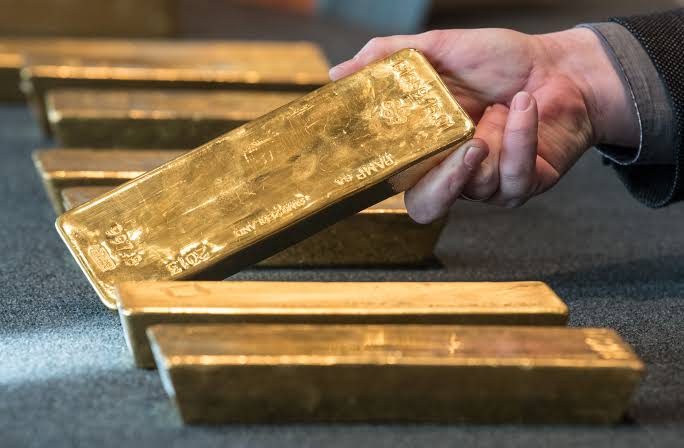
Nuremberg, known locally as Nürnberg, is an established commercial center in southern Germany with a well-developed market for precious metals, investment products, coins, jewelry, and bullion. Buyers looking to purchase gold in Nuremberg can access specialist precious-metal dealers, gold merchants, coin businesses, and established companies serving both private and commercial customers. The local market includes businesses specializing in the purchase and sale of gold, with some offering professional valuation and modern methods of analyzing precious-metal content.
For buyers specifically searching for 23 Karat (97.3% purity) gold, however, it is important to distinguish between general gold trading and the availability of a particular purity. German investment-gold markets commonly feature products in very high purities, including 999 or 999.9 fine gold, while 23K gold may be more commonly encountered in certain jewelry and specialty products. A buyer should therefore confirm the exact fineness, form, quantity, and documentation with the supplier before placing an order.
Nuremberg can nevertheless be an attractive sourcing location for buyers who value established precious-metal businesses, professional testing, transparent pricing, and access to Germany’s broader bullion market.
Why Nuremberg Is A Good Location For Buying Gold
Nuremberg has a longstanding commercial tradition and benefits from Germany’s highly developed financial and logistics infrastructure. Its precious-metals market includes specialist dealers dealing in bullion, coins, jewelry, and other precious-metal products. Industry directories also identify established gold dealers operating within the city and surrounding region.
The city’s location within Bavaria also provides convenient access to the wider German and European market. For commercial buyers, this can be particularly useful when sourcing gold through established European supply chains rather than relying on unknown online sellers.
Another advantage is the presence of businesses that use professional methods to determine the composition and value of precious metals. For example, established dealers in Nuremberg advertise professional testing and valuation of gold according to its alloy and purity.
Understanding 23 Karat (97.3%) Gold
What Does 23 Karat Gold Mean?
23 Karat gold refers to gold containing approximately 97.3% pure gold, with the remainder consisting of other metals used to provide additional strength and durability. The karat system expresses gold purity relative to 24 parts, so 23K represents a very high level of gold content.
For buyers, the important point is that the stated karat should not simply be accepted based on appearance or a seller’s description. The actual fineness should be verified through appropriate testing and documentation before a substantial transaction is completed.
23 Karat Compared With 24 Karat Gold
The primary difference between 23K and 24K gold is purity. 24K gold is normally marketed as virtually pure gold, whereas 23K contains a small proportion of alloying metals.
The slightly lower purity of 23K gold can provide greater physical durability, which is one reason high-purity gold alloys are used in certain jewelry and other applications. For investment or commercial transactions, however, buyers should focus on the actual fineness, weight, and applicable market price, rather than relying solely on the karat designation.
How To Find Gold Suppliers In Nuremberg
Look For Established Precious-Metal Dealers
Nuremberg has several established businesses specializing in gold and precious metals. For example, Degussa Goldhandel GmbH operates a gold-dealing location in the city, while ZIEMANN VALOR GmbH operates a precious-metals business in Nuremberg. Local directories also identify specialist dealers such as myVALOR – Mein Edelmetallhandel and Horski Edelmetalle.
For buyers looking for a supplier, the existence of an established physical presence can be useful when conducting due diligence. A physical location does not, by itself, guarantee a transaction is suitable, but it provides an additional point of verification.
Compare More Than One Supplier
Gold prices can differ between dealers because of premiums, product type, quantity, fabrication costs, and the spread between buying and selling prices. Buyers should therefore obtain several quotations before committing to a substantial purchase.
When comparing offers, make sure every quotation refers to the same purity, weight, product form, and delivery terms. Comparing a 999.9 fine gold bar with a 23K gold product solely on the quoted price per gram can produce a misleading result.
How To Verify 23 Karat Gold In Nuremberg
Request A Certificate Of Authenticity Or Assay Documentation
For a significant purchase, buyers should request documentation identifying the product, its weight, fineness, manufacturer or refiner where applicable, and any available serial or identification number.
Where the transaction involves substantial quantities, independent assay or laboratory testing can provide an additional level of assurance.
Verify The Gold’s Fineness
A professional precious-metal dealer should be able to explain how the gold’s fineness is determined. Established dealers in Nuremberg advertise professional analysis of gold and other precious metals, including determination of alloy and purity.
For a buyer specifically requiring 97.3% purity, the purchase agreement should state the required fineness clearly rather than simply saying “23 Karat gold.”
Confirm The Weight
Weight is just as important as purity. A kilogram of 97.3% gold contains a different quantity of fine gold than a kilogram of 999.9 fine gold.
For large purchases, buyers should ensure that the weighing process is transparent and properly documented.
Gold Pricing In Nuremberg
Follow The International Gold Price
Gold traded in Nuremberg is influenced by international bullion prices. The underlying market price changes continuously as global financial markets respond to economic data, interest rates, currency movements, geopolitical developments, investor demand, and other factors.
A supplier’s selling price will normally reflect the underlying gold value plus an applicable premium or margin.
Understand The Dealer Premium
The price you pay is not necessarily identical to the international spot price. Dealers may include margins associated with sourcing, refining, manufacturing, handling, storage, security, and distribution.
For example, specialist German precious-metal businesses publish prices according to the current market value of particular gold alloys and products.
Consider The Quantity You Are Buying
Larger commercial orders may have different pricing structures from retail purchases. However, buyers should not assume that a large quantity automatically guarantees a substantial discount.
A competitive commercial quotation should be evaluated against the prevailing gold price, the product’s fineness, the supplier’s premium, and the complete cost of delivery.
Documents To Request Before Purchasing Gold
Commercial Invoice
A commercial invoice should clearly identify the seller and buyer and describe the gold being purchased. It should include the quantity, weight, purity, unit price, total value, and agreed payment and delivery terms.
For international transactions, accurate invoicing becomes particularly important because customs and financial institutions may require supporting documentation.
Purity Documentation
Documentation confirming the gold’s fineness helps establish that the product supplied corresponds with the contractual specification.
If the requirement is specifically 23K or approximately 97.3% purity, this specification should appear clearly in the relevant documentation.
Product Identification
For investment bars and other standardized products, identification may include a refinery or manufacturer, weight, fineness, and serial number. Buyers should compare physical markings with the accompanying documentation.
Buying Gold For International Export
Understand Export Requirements
Buying gold in Germany and exporting it to another country are separate considerations. The buyer must establish which German export requirements apply and which import requirements apply in the destination country.
The nature of the gold, transaction value, destination, buyer status, and transportation arrangements can all affect the applicable procedures.
Work With Experienced Logistics Providers
Precious metals require careful handling during transportation. Commercial shipments should be arranged through experienced logistics providers familiar with valuable cargo, secure transportation, customs documentation, and insurance.
The logistics arrangement should be established before the purchase is finalized rather than treated as an afterthought.
Insure The Shipment
Where gold is transported internationally, appropriate insurance can provide protection against defined risks during transit. The insurance terms should be reviewed carefully to ensure that the value, route, carrier, and nature of the cargo are properly covered.
Payment And Transaction Security
Use Verifiable Banking Channels
For commercial gold purchases, payments should normally be made through traceable and appropriately documented financial channels. Buyers should independently verify bank details before transferring funds, particularly if payment instructions are changed during negotiations.
A supplier requesting payment to an unrelated third-party account should be treated as a significant due-diligence issue until the arrangement has been independently verified.
Use A Written Purchase Agreement
A professional purchase agreement should establish the exact specifications of the gold, price calculation, quantity, assay procedure, payment schedule, delivery obligations, insurance, title transfer, and dispute-resolution arrangements.
Clear contractual terms become especially important when the buyer and seller are located in different countries.
Common Mistakes To Avoid When Buying Gold From Nuremberg
Choosing A Supplier Solely Because Of A Low Price
The cheapest quotation is not necessarily the best offer. A suspiciously low price may warrant additional investigation into the product, supplier, documentation, or transaction structure.
Buyers should compare the complete commercial offer rather than focusing on a single price per gram.
Assuming Every Gold Dealer Stocks 23K Gold
This is particularly important for buyers searching specifically for 23K gold. German precious-metal dealers frequently advertise a range of finenesses, and some specialist businesses focus heavily on investment products such as high-fineness bullion.
Therefore, buyers should contact suppliers in advance and confirm whether the exact 97.3% specification is available.
Failing To Verify Purity Independently
A photograph, certificate, stamp, or verbal assurance should not replace appropriate verification for a significant transaction.
Independent testing can be especially valuable when the transaction involves unfamiliar suppliers or large quantities.
Ignoring Destination-Country Requirements
A gold purchase that is legitimate in Germany may still require additional procedures when the gold is imported into another jurisdiction. Buyers should therefore confirm the destination country’s customs, tax, licensing, and precious-metals requirements before arranging shipment.
Benefits Of Buying Gold From Nuremberg
Access To Professional Precious-Metal Businesses
Nuremberg has an established network of gold and precious-metal businesses. Local directories identify numerous dealers, while individual companies advertise professional testing, valuation, and gold trading services.
Strong German Commercial Infrastructure
Germany’s established financial, logistics, and regulatory infrastructure provides an environment in which precious-metal transactions can be documented and conducted through professional commercial channels.
Access To The Wider European Gold Market
Nuremberg’s location provides access not only to local suppliers but also to the wider German and European precious-metals market. Buyers can therefore compare local offers with suppliers elsewhere in Germany when looking for particular products or quantities.
Frequently Asked Questions
- Is Nuremberg A Good Place To Buy Gold? Yes. Nuremberg has an established precious-metals market with specialist gold dealers, coin businesses, and jewelry-related businesses. Buyers can find companies offering gold sales, purchases, valuation, and precious-metal analysis.
- Can I Buy 23 Karat Gold In Nuremberg? Potentially, but availability should be confirmed directly with the supplier. German bullion markets commonly offer several gold finenesses, and not every dealer will stock 23K or 97.3% gold as a standard product.
- What Is 23 Karat Gold? 23K gold contains approximately 97.3% pure gold. The remaining portion consists of alloying metals that can provide additional strength and durability.
- How Should I Verify 97.3% Gold? Request appropriate product documentation and, for significant purchases, consider independent professional assay or laboratory testing. The agreed purity should also be explicitly stated in the purchase documentation.
- Is Gold From Nuremberg Suitable For International Buyers? It can be, provided the buyer and seller comply with the applicable German export requirements, destination-country import rules, customs procedures, payment requirements, and transportation regulations.
- Should I Compare Gold Prices Before Buying? Yes. Comparing multiple quotations helps buyers understand the relationship between the underlying gold price, dealer premium, product type, and other transaction costs.
Conclusion
Buying 23 Karat (97.3% purity) gold from Nuremberg can provide access to Germany’s established precious-metals market and a range of professional gold dealers and specialist businesses. The city offers buyers an environment where gold can be sourced, evaluated, and purchased through established commercial channels, with access to professional precious-metal testing and valuation services.
For buyers specifically seeking 23K gold, the most important consideration is to verify availability and exact fineness before negotiating the final price. A professional transaction should clearly establish the gold’s purity, weight, price, documentation, payment terms, delivery arrangements, and applicable regulatory obligations.
Whether the gold is intended for investment, jewelry manufacturing, wholesale distribution, or international trade, successful sourcing ultimately depends on supplier verification, independent quality assessment, transparent documentation, secure payment procedures, and proper regulatory compliance. These steps allow buyers to take advantage of Nuremberg’s established gold market while reducing unnecessary financial and operational risks.
Leave a Reply