
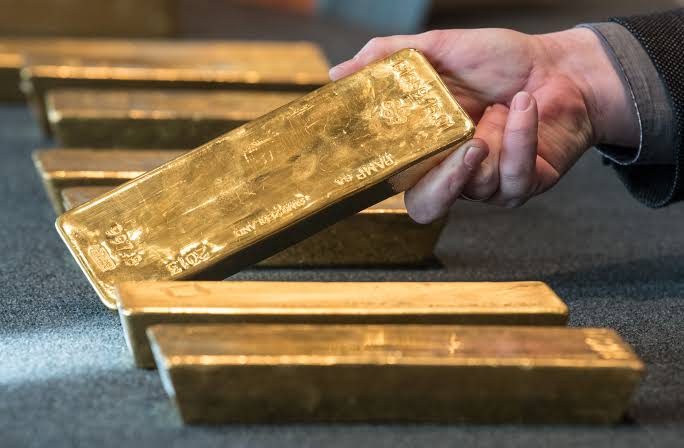
Munich is one of Germany’s established centers for precious-metals trading, offering buyers access to professional bullion dealers, gold merchants, coin specialists, and businesses dealing in physical gold. The city benefits from Germany’s mature precious-metals market, strong financial infrastructure, and well-developed commercial environment, making it an attractive location for buyers looking for physical gold and other precious metals.
The Munich market includes businesses offering gold bars, investment coins, jewelry, and other precious-metal products. Local dealers commonly base their prices on current international gold-market prices, with premiums or discounts depending on the product, weight, manufacturer, condition, and transaction type. Current listings for Munich show a substantial network of established precious-metals dealers operating in and around the city.
For international buyers, Munich can therefore provide access to a sophisticated European gold market. However, purchasing gold successfully requires more than identifying a seller. Buyers should verify the supplier, establish the exact gold specification, confirm the assay or fineness, understand the pricing structure, and make sure the transaction complies with the applicable German and destination-country requirements.
Understanding 23 Karat Gold And 97.3% Purity
There is an important distinction between the terms 23 Karat and 97.3% purity that buyers should understand before entering a transaction.
The traditional karat system defines pure gold as 24 karats. On that basis, 23-karat gold corresponds mathematically to approximately 95.83% gold, commonly expressed as 958 fineness. Therefore, gold assayed at 97.3% purity is not technically 23K under the standard 24-karat calculation. A 97.3% assay corresponds to approximately 23.35 karats.
This distinction matters in commercial gold transactions because purity directly affects valuation. Buyers should therefore avoid relying solely on a description such as “23K gold” and should request an actual assay, certificate of analysis, or other reliable evidence establishing the material’s measured fineness.
If a supplier offers gold described as 23 Karat (97.3%), the buyer should ask for clarification and independent verification of the stated 97.3% purity. Clear specifications prevent misunderstandings between buyers and sellers and ensure that the price reflects the actual gold content.
Why Purity Verification Matters When Buying Gold From Munich
Gold is a high-value commodity, and even a relatively small difference in fineness can have a substantial financial effect when purchasing large quantities. For this reason, professional buyers should establish the exact purity before finalizing a transaction.
An independent assay can determine the percentage of gold contained within the material. Depending on the form and circumstances of the transaction, professional testing may involve recognized laboratory methods or non-destructive analytical equipment. The objective is to establish an independently verifiable measurement rather than relying entirely on a seller’s description.
Buyers should also compare the assay result with the commercial documentation. The invoice, certificate of analysis, product markings, weight, and agreed contractual specification should be consistent. If the documents describe one purity while the physical material tests differently, the discrepancy should be resolved before the transaction proceeds.
Finding Gold Suppliers In Munich
Munich has a broad range of precious-metals businesses, from specialist bullion dealers to companies involved in buying and selling gold jewelry and investment products. Current local listings include established businesses such as Reisebank Edelmetalle, MGM Münzgalerie München, Ophirum Goldhandel, and other specialist dealers.
For a buyer sourcing gold commercially, however, the presence of a physical shop should not by itself be considered proof that a supplier is suitable for a large transaction. The buyer should investigate the company’s legal identity, trading history, physical address, business registration, banking details, product documentation, and experience with transactions of the required size.
A supplier that is accustomed to retail purchases of small gold bars may not necessarily be equipped to handle a large commercial order or an international shipment. Buyers should therefore assess the supplier according to the specific size and nature of the intended transaction.
Evaluating A Munich Gold Supplier Before Purchase
The first step in supplier due diligence is confirming the legal identity of the business. The company name, registered address, contact details, and banking information should be consistent across the supplier’s official documents.
The buyer should also establish who has authority to represent the company in the transaction. When dealing with a substantial gold purchase, it is advisable to verify the identity and position of the individual signing the agreement or issuing commercial instructions.
Business history is another useful consideration. A supplier with an established presence, identifiable premises, transparent contact information, and a verifiable trading history generally provides more information for due diligence than an anonymous seller operating solely through informal communication channels.
Comparing Gold Prices In Munich
Gold prices fluctuate continuously according to international market conditions. Local dealers generally calculate their prices using prevailing gold-market prices and then apply a premium or other margin based on the product being sold.
Current Munich dealer information illustrates how physical gold is commonly priced against market rates. For example, specialist dealers advertise products at prices connected to current gold prices, while the final price varies according to the size and type of product.
When comparing quotations, buyers should therefore avoid comparing only the headline price. A proper comparison should consider the gold content, total weight, assay or fineness, manufacturer, premium, taxes where applicable, insurance, transportation, testing fees, and any other transaction charges.
For larger purchases, even a small difference in the premium per gram can materially affect the overall transaction value.
Buying Gold Bars In Munich
Gold bars are among the most straightforward forms of physical gold for commercial and investment purposes because their weight and fineness can be clearly documented.
Munich dealers offer a range of bar sizes, from small retail bars to larger commercial units. Some local businesses explicitly advertise gold bars ranging from gram-sized products through kilogram-sized bars.
For a commercial buyer, larger bars may offer different premiums from smaller products, although the appropriate format depends on the intended use, liquidity requirements, storage arrangements, and destination-country regulations.
Before purchasing a bar, buyers should examine its stated weight, fineness, manufacturer, serial number where applicable, packaging, and accompanying documentation. The information should correspond with the purchase invoice and independent verification.
Buying Gold Coins And Other Gold Products
Munich also has a well-developed market for investment gold coins. Local specialist dealers advertise products such as internationally recognized bullion coins alongside gold bars.
Gold coins can provide liquidity and recognition in certain markets, but they are not always the most efficient form of gold for commercial transactions. Coin premiums can vary considerably depending on the product, year, availability, and demand.
A buyer purchasing gold primarily for its metal content should therefore distinguish between the intrinsic gold value and any additional numismatic or retail premium attached to the product.
How To Verify The Weight And Fineness Of Gold
Weight and purity are the two fundamental physical characteristics that determine the amount of fine gold contained in a product.
A professional transaction should establish both independently where appropriate. The weight should be measured using suitable calibrated equipment, while purity should be verified through an appropriate assay or recognized testing procedure.
For example, if a shipment contains 100 kilograms of material assayed at 97.3% gold, the theoretical fine-gold content would be 97.3 kilograms before considering any contractual adjustments or assay tolerances. This illustrates why an accurate assay can have a significant commercial impact.
The final contractual settlement should clearly explain how weight and purity are determined and what happens if the independent assay differs from the seller’s declared specification.
Documentation Required For A Professional Gold Transaction
Documentation is an essential component of a legitimate gold transaction. The exact documents required will depend on the form of gold, transaction structure, parties involved, and destination country.
A commercial buyer will normally want documentation that clearly identifies the seller and buyer, describes the product, states the quantity and agreed purity, establishes the price, and defines the payment and delivery terms.
Where applicable, the transaction may also require assay documentation, certificates of analysis, transport documentation, insurance documents, customs documentation, and other regulatory records.
The important principle is consistency. The physical gold, assay report, invoice, contract, shipping documents, and customs declarations should describe the same transaction.
Using A Gold Purchase Agreement
A written purchase agreement is particularly important for high-value gold transactions. Verbal promises or informal messages are not an adequate substitute for clearly defined contractual terms.
A professional agreement should establish the exact product specification, quantity, purity, price mechanism, inspection procedure, assay procedure, payment conditions, delivery location, transportation responsibility, insurance responsibility, documentation obligations, and dispute-resolution mechanism.
The contract should also specify what happens if the gold fails the agreed assay specification. This is particularly important when the transaction involves a claimed purity such as 97.3%.
Secure Payment Procedures For Gold Purchases
Because gold transactions can involve substantial amounts of money, payment procedures should be established before the transaction begins.
Buyers should use traceable and appropriately regulated financial channels and should verify the beneficiary’s banking details independently. A sudden request to redirect payment to a different bank account should be treated cautiously and verified directly through established company contacts.
For larger transactions, payment can also be structured around agreed milestones, subject to the contract and applicable law. Depending on the transaction structure, these may relate to verification, inspection, assay, documentation, shipment, or delivery.
The payment mechanism should always correspond with the written agreement rather than being determined informally during the transaction.
International Gold Purchases From Munich
For buyers outside Germany, purchasing gold in Munich introduces an additional layer of considerations because the transaction becomes cross-border.
The buyer must consider the rules applicable in Germany as the exporting jurisdiction as well as the regulations of the destination country. Customs requirements, import procedures, taxation, licensing, precious-metal controls, and documentation can vary considerably between jurisdictions.
This means that an international buyer should determine the destination-country requirements before purchasing the gold rather than waiting until the shipment is ready for export.
Gold Shipping And Insurance From Munich
Physical gold requires specialized handling when it is transported internationally. Buyers should work with logistics providers experienced in high-value precious-metal shipments and ensure that the transportation arrangement matches the value and nature of the cargo.
Insurance is equally important. The policy should clearly identify the insured goods, value, transportation route, and applicable coverage conditions.
The responsibilities of the seller and buyer should be established contractually. If an international transaction uses an Incoterm such as CIF, the parties should ensure that they understand exactly which costs, risks, insurance obligations, and delivery responsibilities apply under the agreed term.
Why Independent Assaying Is Important
Independent assaying creates a separation between the seller’s declaration and the buyer’s verification. This is particularly valuable in transactions involving large quantities of gold.
A buyer should not necessarily assume that a certificate supplied by the seller eliminates the need for independent verification. The appropriate verification method depends on the transaction, but an independent assay can provide additional protection where significant financial value is involved.
The assay procedure should also be agreed before the transaction. Both parties should understand which laboratory or testing method will be used, how samples will be collected, and which result will be considered final for settlement purposes.
Common Mistakes When Buying Gold From Munich
One common mistake is focusing entirely on the quoted price. A quotation that appears significantly cheaper than the market may warrant additional investigation rather than immediate acceptance.
Another mistake is failing to distinguish between karat and fineness. As explained above, 23K is approximately 95.83% gold, whereas 97.3% represents a higher purity. The buyer should always confirm the exact numerical assay.
A third mistake is paying before completing appropriate due diligence. A professional buyer should establish the supplier’s identity, product specifications, documentation, payment instructions, and contractual terms before releasing substantial funds.
Buyers should also avoid assuming that a physical address alone guarantees legitimacy. Proper due diligence should extend beyond the existence of a shop or office.
Advantages Of Buying Gold From Munich
Munich offers access to Germany’s established physical precious-metals market and a network of specialist businesses. Local market listings show multiple dealers providing gold bars, coins, and other precious metals, giving buyers the ability to compare products and services.
The city’s commercial infrastructure is another advantage. Buyers can access professional financial, logistics, testing, and business services that support sophisticated precious-metals transactions.
For international buyers, Munich can also serve as a European sourcing point where transactions can be structured around documented commercial processes rather than informal gold trading arrangements.
What International Buyers Should Look For
An international buyer should begin by defining the exact requirement. This includes the quantity of gold, acceptable fineness, preferred product form, destination country, delivery method, required documentation, and settlement procedure.
Once the requirement has been defined, the buyer can identify suitable suppliers and request formal quotations. Those quotations should then be compared on a like-for-like basis.
The buyer should subsequently conduct supplier due diligence, verify the gold, execute a suitable purchase agreement, establish payment procedures, and coordinate secure transportation and insurance.
This structured approach is considerably safer than selecting a supplier based solely on an attractive offer.
Frequently Asked Questions About Buying Gold From Munich
- Is Munich A Good Place To Buy Gold? Yes. Munich has an established precious-metals market with specialist businesses dealing in gold bars, coins, jewelry, and other precious metals. Current market listings identify multiple gold dealers operating in Munich and the surrounding region.
- Is 23 Karat Gold The Same As 97.3% Purity? No. Under the conventional 24-karat system, 23K corresponds to approximately 95.83% gold, or 958 fineness. Gold measuring 97.3% is approximately 23.35K. Buyers should therefore request an actual assay rather than relying solely on a karat description.
- How Can I Verify Gold Purchased In Munich? Gold can be verified through appropriate professional testing and independent assay procedures. Buyers should also compare the physical product with its certificate, markings, weight, and contractual specification.
- Can I Buy Gold In Munich For Export? Potentially, yes, but international purchases are subject to applicable export, customs, transportation, and destination-country requirements. Buyers should establish the relevant requirements before arranging the transaction.
- Should I Get An Assay Before Paying For Gold? For significant transactions, independent verification can provide important protection. The contract should clearly define how the gold will be inspected and assayed and how any difference between the declared and verified purity will be handled.
- How Is Gold Priced In Munich? Physical gold prices are generally influenced by international gold-market prices, with local premiums or margins depending on the product, weight, supplier, and transaction conditions. Munich dealers publish prices for various gold products based on current market conditions.
- Can A Foreign Buyer Purchase Gold From Germany? Foreign buyers can participate in cross-border gold transactions, but the exact requirements depend on the transaction structure and the countries involved. Buyers should obtain appropriate legal, customs, tax, and compliance advice for the specific transaction.
Final Considerations Before Buying Gold From Munich
Buying gold from Munich can provide access to a mature European precious-metals market and a range of professional dealers. The city offers buyers multiple options for sourcing physical gold, including bars, coins, and other precious-metal products, while its broader commercial infrastructure supports professional transactions.
The most important consideration, however, is not simply where the gold is purchased but how the transaction is verified and documented. Buyers should establish the exact purity, verify the weight, conduct appropriate supplier due diligence, review the contractual terms, use secure payment procedures, and ensure that transportation, insurance, customs, and regulatory requirements are properly addressed.
For buyers specifically searching for 23 Karat (97.3%) gold, the purity terminology deserves particular attention. Since 23K and 97.3% do not represent the same fineness, the buyer and seller should agree on the actual assay specification before discussing the final price. That single clarification can prevent substantial misunderstandings in a high-value transaction.
With proper due diligence, independent verification, accurate documentation, and a clearly structured purchase agreement, Munich can be a practical sourcing location for buyers seeking physical gold within the European precious-metals market.
Leave a Reply