
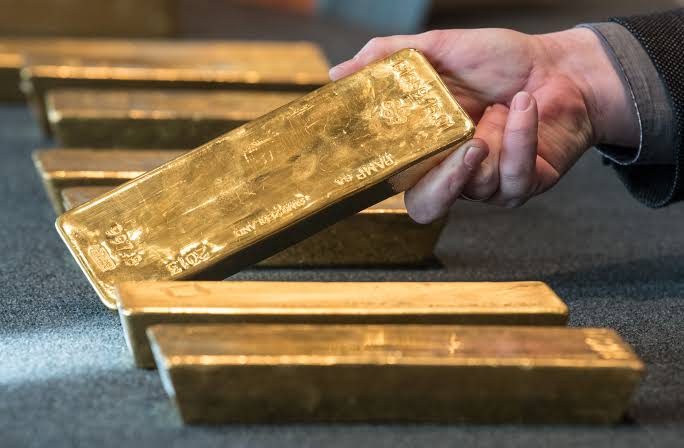
Hamburg is one of Germany’s most important commercial and logistics centers, making it an attractive location for buyers looking to source precious metals within Europe. The city’s international business environment, established financial sector, extensive transportation infrastructure, and access to global markets provide a strong foundation for gold trading. Buyers interested in 23 Karat (97.3% purity) gold can find opportunities through established precious-metal dealers, wholesalers, refiners, and specialized trading companies operating in Hamburg and throughout Germany.
For international buyers, purchasing gold from Hamburg involves more than identifying a supplier and agreeing on a price. Gold is a high-value commodity, and a successful transaction requires careful verification of the seller, confirmation of the metal’s purity and weight, clear contractual terms, appropriate documentation, secure payment procedures, and compliance with German, European Union, and destination-country requirements.
Hamburg’s position as a major European trading and logistics center can be particularly useful for buyers who require professional transportation, secure storage, financial services, and international shipping. However, buyers should distinguish between different forms and purities of gold because the regulatory and tax treatment can depend on the exact product. In Germany, for example, the statutory definition of investment gold generally requires bars or wafers to have a fineness of at least 995 parts per thousand. Therefore, 23 Karat gold at approximately 97.3% purity should not automatically be treated as investment gold simply because it is a high-purity product.
Why Hamburg Is An Important Gold Trading Location
Hamburg’s importance in precious-metal commerce is closely connected to its position as an international business center. The city has extensive connections to European and global markets, making it suitable for companies involved in the sourcing, storage, distribution, and transportation of valuable commodities.
Its logistics infrastructure is another significant advantage. Buyers who purchase gold for international trade may require secure transportation, insurance, customs coordination, professional storage, and documentation services. A city with a mature logistics ecosystem can make these stages easier to coordinate than markets where specialized services are less developed.
Hamburg also has an established precious-metals retail and trading sector. Gold dealers operating in the city offer products ranging from bullion bars and coins to other forms of precious metals. Some businesses provide secure storage and value-courier delivery services in addition to conventional sales.
For commercial buyers, however, the presence of an established market does not eliminate the need for due diligence. The buyer remains responsible for determining whether a particular supplier, product, transaction structure, and documentation package are appropriate for the intended purchase.
Understanding 23 Karat (97.3%) Gold
What 23 Karat Gold Means
The karat system describes the proportion of gold contained within an alloy, with 24 Karat representing the highest commonly stated purity. 23 Karat gold is approximately 95.8% under the conventional karat calculation, while 97.3% purity corresponds to approximately 23.35 Karat.
This distinction is important when preparing a commercial gold transaction. If a supplier describes a product specifically as 97.3% purity, the contract, assay certificate, invoice, and product description should use the measured fineness rather than relying exclusively on the phrase “23 Karat.”
For international transactions, it is generally preferable to specify the exact fineness in parts per thousand—for example, 973 fineness—when that is the verified composition of the material. This reduces ambiguity between the buyer and seller.
Why Purity Verification Matters
Gold is priced primarily according to its contained fine-gold content. A difference in purity can therefore have a substantial financial impact when purchasing significant quantities.
A buyer purchasing 1 kilogram of material at 97.3% fineness is not purchasing 1 kilogram of pure gold. The approximate fine-gold content would be 973 grams before accounting for any assay tolerance, moisture, impurities, or other contractual considerations.
For this reason, commercial buyers should establish the accepted purity tolerance before signing a purchase agreement.
How To Find A Reliable Gold Supplier In Hamburg
Verify The Company’s Identity
The first step in supplier due diligence should be confirming exactly who you are dealing with. Obtain the company’s full legal name, registered address, business registration information, tax details where applicable, official website, telephone number, and the identity of the authorized representative.
These details should correspond across the supplier’s corporate documents, contracts, invoices, bank information, and other transaction records.
A supplier that is reluctant to provide basic corporate information should be treated cautiously, particularly when the proposed transaction involves a substantial amount of money.
Review The Supplier’s Precious Metals Experience
Gold trading requires specialized knowledge because the transaction involves valuation, assay, logistics, compliance, and financial risk.
A supplier with an established history in precious metals can generally provide clearer information about product specifications, assay procedures, delivery arrangements, and commercial documentation. This does not mean that every established company is automatically suitable, but it provides an important starting point for due diligence.
Confirm Ownership And Right To Sell
Before purchasing gold, buyers should establish that the seller has legitimate ownership of the material or is legally authorized to sell it.
This is particularly important when the gold originates outside Germany and is being offered through a trading intermediary. The transaction should provide a clear chain of ownership and documentation showing how the seller obtained the gold.
How To Verify 97.3% Gold Purity
Request A Professional Assay
An assay is one of the most important safeguards in a commercial gold transaction. It determines the composition and fineness of the material and provides an objective basis for calculating its value.
For a significant purchase, buyers should consider using an independent and appropriately qualified assayer rather than relying solely on a seller’s internal test.
The assay methodology should also be appropriate for the material being tested. Different testing techniques have different capabilities and limitations, so the testing process should be agreed upon in advance.
Verify The Weight
Gold should be weighed using suitable calibrated equipment, with the results recorded in the transaction documentation.
The buyer and seller should agree on the accepted unit of measurement, weighing procedure, location of weighing, and whether the final settlement will be based on gross weight, net weight, or fine-gold content.
For large transactions, these details should be included in the purchase agreement rather than left to informal discussions.
Match The Assay To The Shipment
The assay certificate should correspond to the actual gold being purchased. Where applicable, identification numbers, bar numbers, seals, weights, and other identifying information should match the physical material and commercial documentation.
This creates traceability between the tested material, the contract, the invoice, and the shipment.
Understanding Gold Prices In Hamburg
International Gold Prices
Gold traded in Hamburg is influenced by international bullion markets. Global gold prices respond to factors such as interest rates, inflation expectations, currency movements, geopolitical uncertainty, central-bank activity, investor demand, and physical supply and demand.
As a result, gold quotations can change throughout the trading day.
Buyers should establish exactly how the supplier calculates the purchase price and whether the quotation is linked to a recognized market benchmark.
Purity Adjustments
When buying 97.3% gold rather than higher-fineness bullion, the price should reflect the actual fine-gold content and any applicable refining, fabrication, or trading costs.
A professional quotation should therefore make it possible to understand the relationship between the reference gold price, the product’s fineness, the quantity being purchased, and any premium or discount.
Dealer Premiums And Additional Costs
The final purchase price may include costs beyond the underlying gold value. Depending on the transaction, these can include assay fees, refining charges, storage, insurance, transportation, handling, and other agreed services.
Comparing suppliers solely by their headline price can therefore be misleading. Buyers should compare the complete landed or delivered cost.
German Tax Considerations For Gold Buyers
Why Product Classification Matters
One of the most important considerations when purchasing gold in Germany is determining how the specific product is classified for tax purposes.
Germany’s Federal Ministry of Finance states that supplies, imports, and intra-EU acquisitions of qualifying investment gold can be exempt from VAT under the applicable German VAT rules. The statutory definition includes gold in bar or wafer form with a fineness of at least 995 thousandths.
This means buyers should not assume that a 97.3% purity product qualifies for the same VAT treatment as qualifying investment gold. The exact form of the gold, its fineness, the transaction structure, and whether the transaction is domestic or cross-border can all matter.
For substantial purchases, buyers should obtain professional German tax advice before completing the transaction.
Documentation For Buying Gold From Hamburg
Commercial Invoice
The commercial invoice should clearly identify the buyer and seller and describe the gold being purchased.
Important information may include the product type, quantity, weight, fineness, unit price, total value, currency, payment terms, delivery terms, and other relevant transaction information.
The invoice should accurately reflect the actual transaction. Buyers should avoid accepting documents that deliberately misstate the value, purity, quantity, or origin of the gold.
Assay Certificate
The assay certificate provides evidence regarding the tested composition of the gold. It should ideally be issued by an independent and appropriately qualified testing facility where the transaction requires independent verification.
Certificate Of Origin
Where origin is relevant to the transaction, buyers may require documentation establishing where the gold originated. The appropriate documentation depends on the supply chain and applicable regulations.
Origin documentation can become particularly important when gold has moved through several jurisdictions before reaching Germany.
Shipping And Customs Documents
International shipments require appropriate transportation and customs documentation. The exact requirements depend on the origin, destination, nature of the goods, transaction structure, and applicable customs rules.
A professional logistics or customs specialist can help determine which documents are required for a particular shipment.
Buying Gold From Hamburg For International Export
Understand The Export Requirements
International gold transactions require careful attention to export rules and the laws of the destination country. Buyers should not assume that a gold product can simply be purchased in Hamburg and shipped anywhere without additional procedures.
The exact requirements depend on the type of gold, destination, transaction structure, and applicable German and EU rules.
Where specialized regulatory questions arise, buyers should consult the appropriate German authorities or qualified trade professionals rather than relying on informal advice.
Check The Destination Country’s Import Rules
The buyer should establish the destination country’s requirements before the shipment leaves Germany.
These may include import declarations, customs procedures, taxes, permits, licensing, documentation, assay requirements, and anti-money-laundering or precious-metals compliance obligations.
Understanding these requirements in advance prevents a situation in which legally purchased gold becomes delayed at the destination because the importer has not prepared the required documentation.
Secure Gold Transportation From Hamburg
Use Specialized Logistics Providers
Gold should be transported using a provider experienced in high-value and precious-metals shipments.
The logistics provider should understand secure handling, chain of custody, insurance, documentation, customs procedures, and delivery confirmation.
For commercial shipments, ordinary parcel services may not provide the appropriate security or insurance structure.
Arrange Appropriate Insurance
The value of a gold shipment can be substantial, meaning transportation insurance is an important component of risk management.
The insurance policy should clearly state the circumstances covered, the maximum insured value, geographical coverage, security requirements, and any exclusions.
Buyers should verify that the insurance remains valid throughout the entire transportation process.
Safe Payment Practices When Buying Gold
Use Traceable Banking Channels
Commercial gold transactions should generally use transparent and traceable financial channels. Bank transfers provide a documented payment trail and can help both parties maintain clear accounting records.
Payment should be made only after the buyer has completed appropriate supplier and transaction due diligence.
Verify Bank Account Changes
Fraudsters sometimes attempt to intercept transactions by sending fraudulent payment instructions.
If a supplier suddenly changes its bank account or requests payment to a different entity, the buyer should independently verify the change through a trusted communication channel before transferring funds.
Use Clear Contractual Payment Milestones
For larger transactions, the purchase agreement should clearly establish when payment is due and what conditions must be satisfied before payment.
Depending on the transaction, these conditions may include completion of due diligence, verification of documents, independent assay, inspection, or confirmation of shipment.
Common Mistakes To Avoid When Buying Gold From Hamburg
Choosing A Supplier Only Because Of A Low Price
An unusually low gold quotation should not automatically be considered a bargain.
The price may exclude important costs, or the transaction may involve risks relating to authenticity, ownership, documentation, delivery, or compliance.
A reliable comparison should consider the entire transaction rather than the headline price alone.
Assuming 23 Karat And 97.3% Are Identical
This is an important technical distinction. Buyers should specify the actual fineness required in the contract.
If the commercial requirement is 97.3% purity, the contract should state that exact specification and establish an acceptable tolerance.
Paying Before Verification
Large gold transactions should not be based solely on photographs, certificates sent electronically, or verbal assurances.
Where appropriate, buyers should verify the seller, ownership, physical gold, assay results, and documentation before releasing funds.
Ignoring The Gold’s Origin
The provenance of gold can be important for legal, compliance, reputational, and commercial reasons.
Buyers should understand where the gold originated, who handled it before the current seller, and whether the documentation supports the stated origin.
Why Due Diligence Is Essential In Gold Trading
Gold is a high-value commodity and is therefore exposed to fraud, money laundering, illicit sourcing, document falsification, and other forms of commercial risk.
A comprehensive due-diligence process should examine the supplier, beneficial ownership, business registration, transaction history where available, source of gold, ownership documentation, assay results, bank details, contractual terms, and destination requirements.
The objective is not simply to determine whether the gold physically exists. It is to establish whether the entire transaction is legitimate, documented, commercially reasonable, and legally compliant.
Buying 23 Karat Gold From Hamburg For Investment
Buyers considering 97.3% gold as an investment should pay particular attention to liquidity and resale arrangements.
Investment products are not all treated equally. Germany’s statutory investment-gold VAT framework, for example, specifically defines qualifying bars and wafers at a minimum fineness of 995 thousandths.
Consequently, a buyer interested in investment purposes should determine whether the specific 97.3% product is suitable for their investment strategy, intended market, and eventual resale channel.
A lower-fineness product may have different pricing, tax, refining, and resale characteristics from recognized investment-grade bullion.
Buying Gold From Hamburg For Jewelry Manufacturing
For jewelry manufacturers, 97.3% gold can be relevant because the material combines a high gold content with alloying elements that can affect hardness, color, workability, and durability.
Manufacturers should nevertheless establish the precise alloy composition rather than relying solely on the stated karat designation.
The required composition may vary depending on whether the gold is intended for casting, fabrication, traditional jewelry production, or another manufacturing process.
Hamburg Gold Buying For International Businesses
International companies sourcing gold from Hamburg should approach the transaction as a complete supply-chain process rather than a simple purchase.
The buyer needs to consider the supplier, product specification, assay, price, contract, payment, transportation, insurance, customs, taxation, import requirements, and final delivery.
A well-organized transaction assigns responsibility for each stage before the contract is signed. This is particularly important where several parties—including sellers, buyers, brokers, assayers, logistics providers, insurers, and customs representatives—are involved.
Frequently Asked Questions About Buying Gold From Hamburg
- Is Hamburg A Good Place To Buy Gold? Hamburg is an established European commercial and logistics center with a developed precious-metals market. Buyers can access professional gold dealers and related services, although supplier-specific due diligence remains essential.
- Can I Buy 23 Karat Gold In Hamburg? The availability of a particular purity depends on the supplier and product. Buyers looking specifically for 97.3% gold should request the exact fineness and confirm it through appropriate assay documentation rather than relying only on the karat description.
- Is 23 Karat The Same As 97.3% Gold? Not exactly. Under the conventional karat calculation, 23K corresponds to approximately 95.8% gold, while 97.3% corresponds to approximately 23.35K. For a commercial transaction, the exact fineness should be stated in the contract.
- Does 97.3% Gold Qualify As Investment Gold In Germany? Not automatically. German VAT rules define qualifying investment gold in bar or wafer form as having a fineness of at least 995 thousandths. A 97.3% product therefore does not meet that particular fineness threshold for investment gold bars or wafers.
- How Should I Verify Gold Purity? Use an appropriate professional assay and ensure that the test results correspond to the actual material being purchased. For substantial transactions, independent verification is preferable to relying solely on a seller’s internal documentation.
- What Should I Check Before Paying A Gold Supplier? Verify the supplier’s legal identity, ownership of the gold, business credentials, product specification, assay documentation, price calculation, contractual terms, payment instructions, origin documentation, and delivery arrangements.
- Can Gold Bought In Hamburg Be Exported? Gold can be involved in international trade from Germany, but the applicable requirements depend on the product, transaction, destination, and circumstances. Buyers should establish the relevant export, customs, tax, and destination-country requirements before arranging shipment.
Conclusion
Buying 23 Karat (97.3% purity) gold from Hamburg can provide access to an established European precious-metals market supported by sophisticated commercial, financial, and logistics infrastructure. The city’s international position makes it an attractive location for buyers sourcing gold for jewelry manufacturing, commercial trading, or other legitimate purposes.
The most important consideration, however, is not simply finding gold at an attractive price. A secure transaction requires careful supplier verification, accurate purity and weight assessment, transparent ownership and origin documentation, properly structured contracts, secure payment arrangements, appropriate insurance, and compliance with the laws governing both Germany and the destination country.
Buyers should also be precise when describing the product. 97.3% fineness should be stated as an exact purity specification rather than automatically equating it with 23 Karat, and German investment-gold rules should not be assumed to apply to lower-fineness material.
For serious commercial buyers, the strongest approach is therefore to evaluate the entire transaction—from supplier verification and assay through payment, logistics, customs, and final delivery. This approach provides a stronger foundation for secure gold sourcing from Hamburg and for establishing reliable long-term relationships within the international precious-metals market.
Leave a Reply