
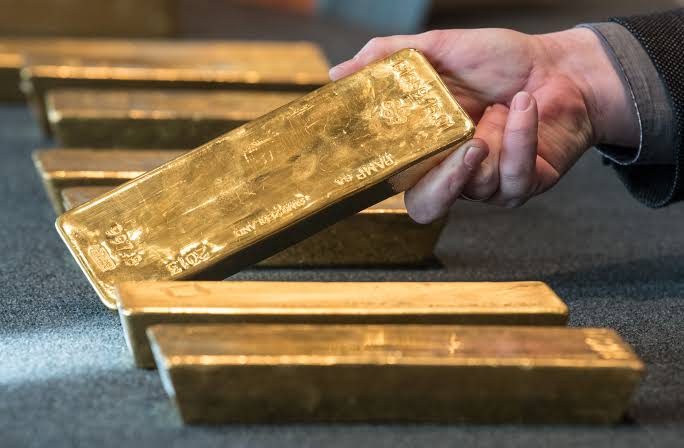
Germany is one of Europe’s established precious-metals markets, with a well-developed network of bullion dealers, gold refineries, jewelry businesses, financial institutions, and specialist precious-metals companies. For international buyers looking to source gold from Europe, Germany can provide access to an organized market where gold is traded through established commercial channels and where buyers can obtain documentation relating to weight, fineness, origin, pricing, and ownership.
For buyers specifically looking for 23 Karat (97.3% purity) gold, Germany can be considered as a sourcing market, although it is important to distinguish between jewelry-grade or commercial 23K gold and investment gold. German tax rules define qualifying investment gold differently: gold bars or plates generally need a fineness of at least 995 parts per thousand to qualify as investment gold under the relevant VAT provisions. Therefore, a buyer seeking 97.3% gold should confirm the exact product specification and tax treatment before entering into a transaction.
Germany’s reputation in the precious-metals sector is supported by established trading infrastructure and professional bullion businesses. Frankfurt am Main, in particular, has a significant precious-metals market, with established dealers offering gold bars, coins, and other precious metals to domestic and international customers.
For an international buyer, however, finding gold is only one part of the process. Supplier verification, independent purity testing, documentation, payment security, export procedures, transportation, insurance, and destination-country import requirements should all be considered before a purchase is completed.
Why Germany Is An Attractive Gold Trading Market
Germany has a mature financial and precious-metals ecosystem that makes it an important market for gold buyers in Europe. Rather than relying exclusively on informal gold traders, buyers can access established businesses operating within a regulated commercial environment.
The country’s major financial and commercial centers have developed strong relationships between bullion dealers, refineries, logistics companies, banks, and other businesses involved in precious metals. This creates an environment in which buyers can compare suppliers and obtain professionally documented products.
Frankfurt is particularly relevant because of its importance as a financial center. Established gold dealers operate in the city and provide physical gold products to customers. This makes Frankfurt one of the German locations international buyers may consider when researching gold suppliers.
Understanding 23 Karat (97.3%) Gold
What 23 Karat Gold Means
The karat system describes the proportion of pure gold contained within an alloy. In simple terms, 24K represents the highest conventional karat designation, while 23K gold contains approximately 23 parts gold out of 24.
A stated purity of 97.3% means that approximately 973 parts per thousand of the material is gold, with the balance consisting of other metals. The exact composition of the non-gold portion can vary depending on how the product was manufactured or refined.
For commercial transactions, buyers should rely on the assayed fineness rather than the karat description alone. A laboratory assay or recognized certificate provides a more precise basis for determining the actual gold content.
Is 97.3% Gold The Same As Investment Gold In Germany?
Not necessarily. This distinction is particularly important when purchasing gold from Germany.
Under Germany’s VAT rules, qualifying investment gold in bar or plate form generally requires a fineness of at least 995 parts per thousand. Certain qualifying gold coins can meet different criteria, including a minimum fineness of 900 parts per thousand and other conditions.
Consequently, a 23K gold product with 97.3% purity should not automatically be described as investment gold for German tax purposes. Buyers should establish whether the particular product is jewelry gold, bullion, industrial gold, or another category before calculating the total transaction cost.
Where To Buy Gold In Germany
Frankfurt
Frankfurt is one of the most relevant cities for buyers researching precious-metals suppliers in Germany. Its financial infrastructure and established bullion businesses make it a practical location for sourcing physical gold.
Established dealers in Frankfurt offer different forms of gold, including bars and coins, with pricing generally linked to prevailing precious-metals market values.
Munich
Munich is another important German center for precious-metals businesses. Buyers can find established bullion dealers and specialist precious-metals companies serving both retail and commercial customers.
Berlin
As Germany’s capital and a major commercial center, Berlin also has businesses dealing in precious metals. Buyers should nevertheless apply the same due-diligence standards regardless of the city in which a supplier operates.
Hamburg
Hamburg’s position as a major commercial and logistics center makes it relevant to international precious-metals transactions, particularly where transportation and international trade are important considerations.
How To Choose A Gold Supplier In Germany
Verify The Company’s Legal Identity
Before purchasing gold, establish exactly who the contracting party is. Obtain the company’s registered legal name, business address, registration information, tax details where relevant, and authorized representative.
The name appearing on the quotation, invoice, contract, bank account, and shipping documents should correspond to the verified business entity. Any unexplained discrepancy should be investigated before funds are transferred.
Examine The Supplier’s Trading History
A supplier’s operating history can provide useful evidence of commercial credibility. Buyers should look for an established business presence, verifiable contact information, a professional website, physical premises where appropriate, and evidence of legitimate precious-metals activities.
The objective is not simply to find a company selling gold, but to establish whether the company can reliably complete the transaction being proposed.
Request Commercial References
For larger transactions, buyers may request verifiable business references or evidence of previous commercial activity. References should be independently verified rather than relying solely on documents supplied by the prospective seller.
How To Verify 23 Karat Gold From Germany
Request A Certificate Of Analysis
A certificate of analysis or assay report can provide important information about the material’s fineness and composition. For a transaction specified as 97.3% gold, the documentation should clearly identify the tested material and the reported fineness.
For substantial transactions, buyers may also arrange independent testing rather than relying exclusively on the seller’s certificate.
Conduct Independent Assaying
Independent assaying is particularly important when purchasing larger quantities. An independent laboratory can test a representative sample or the material itself to establish its actual gold content.
This helps protect the buyer against situations where the stated purity does not correspond with the physical material.
Verify Weight Separately
Purity and weight are separate components of a gold transaction. A product can have the correct fineness but still have an incorrect weight.
Commercial buyers should therefore verify both the weight and the fineness before final settlement where the transaction structure permits it.
How Gold Prices Are Determined In Germany
International Spot Gold Price
The underlying value of gold is heavily influenced by international bullion markets. Prices move continuously in response to market conditions, currency movements, interest-rate expectations, investor demand, geopolitical developments, and other economic factors.
A German supplier’s quotation may therefore change during the day as the underlying market changes.
Supplier Premium
The final price paid by a buyer is not necessarily identical to the international spot price. Suppliers may include a premium or margin reflecting their sourcing costs, refining, manufacturing, handling, financing, storage, logistics, and commercial risk.
Buyers should request a transparent price breakdown before agreeing to a purchase.
Product Form
The form in which the gold is supplied can also affect the price. A recognized bullion bar, jewelry item, industrial material, or other gold product may carry a different premium or commercial valuation.
This is another reason why buyers should specify the exact product they require rather than simply requesting “23K gold.”
Documentation Required When Buying Gold From Germany
Commercial Invoice
A commercial invoice should clearly identify the buyer, seller, product description, quantity, purity, price, currency, and transaction terms.
For international shipments, the invoice is also an important document for customs and financial records.
Assay Or Purity Certificate
The purity documentation should correspond to the specific gold being purchased. Where possible, the certificate should identify the refinery, laboratory, batch, serial number, or other traceability information applicable to the product.
Packing List
For commercial shipments, a packing list can identify the contents, weights, packages, and other shipment information. This can assist logistics providers and customs authorities.
Transport Documentation
Depending on the shipping method and transaction structure, transportation documentation will be required to establish how and where the shipment is being transported.
Understanding VAT And Gold Purchases In Germany
Investment Gold And VAT
Germany provides a specific VAT treatment for qualifying investment gold. The German Federal Ministry of Finance states that supplies, imports, and intra-EU acquisitions of qualifying investment gold are VAT-exempt under the applicable provisions.
However, this should not be interpreted to mean that every gold product purchased in Germany is automatically VAT-free.
The classification of the product matters. Because 23K gold at 97.3% fineness falls below the 995/1000 fineness threshold applicable to qualifying gold bars or plates, buyers should obtain professional tax advice concerning the exact transaction rather than assuming that the investment-gold exemption applies.
International Gold Purchases From Germany
Confirm Export Requirements
When gold is being purchased for shipment outside Germany or the European Union, the transaction may involve export declarations, customs procedures, transport documentation, and other compliance requirements.
The requirements depend on the product, transaction value, destination, origin, and parties involved. Buyers should establish the applicable requirements before arranging shipment.
Understand The Destination Country’s Requirements
German export compliance is only one side of an international gold transaction. The importing country may have its own requirements covering customs declarations, import licensing, taxation, precious-metals regulations, anti-money-laundering controls, and documentation.
The buyer should therefore establish the destination-country requirements before the transaction is finalized.
Secure Payment Practices When Buying Gold
Use Verified Banking Details
Gold transactions should preferably be settled through traceable financial channels appropriate to the transaction. Before sending funds, buyers should independently verify the supplier’s banking details.
Particular caution should be exercised if a supplier suddenly requests payment to a different bank account, especially where the new account belongs to an unrelated company or individual.
Use A Written Sales Agreement
A properly prepared sales and purchase agreement should specify the gold’s purity, quantity, price methodology, payment terms, inspection rights, delivery arrangements, insurance, documentation, and remedies in case of non-performance.
For significant international transactions, the agreement should also establish which jurisdiction and dispute-resolution mechanism will apply.
Shipping Gold From Germany
Use Specialized Precious-Metals Logistics
Gold should not be treated like ordinary commercial cargo. International shipments of precious metals require appropriate security, packaging, insurance, documentation, and chain-of-custody procedures.
A specialized precious-metals logistics provider can coordinate transportation and security requirements appropriate to the shipment.
Obtain Appropriate Insurance
Insurance should correspond to the commercial value and transportation risks involved. The buyer should understand when coverage begins, when it ends, who is responsible for arranging it, and what exclusions apply.
These details should be established contractually before the shipment leaves the supplier.
Common Mistakes To Avoid When Buying Gold From Germany
Choosing The Cheapest Offer
The lowest quotation is not necessarily the best transaction. A substantially discounted offer can warrant additional scrutiny, particularly when the supplier cannot clearly explain the source of the gold, assay documentation, pricing methodology, or delivery process.
A credible transaction should make commercial and logistical sense.
Confusing Karat With Fineness
Buyers should avoid relying exclusively on terms such as “23K.” The exact fineness should be stated numerically in the contract and supporting documentation.
For example, a specification of 973/1000 is considerably more precise than simply describing material as 23K.
Assuming All Gold Is VAT-Exempt
This is particularly important in Germany. The VAT exemption for investment gold has specific statutory criteria. A 97.3% gold product should not automatically be treated as qualifying investment gold.
Paying Before Verification
For substantial purchases, buyers should establish appropriate verification and inspection procedures before releasing funds. Depending on the transaction structure, this may involve independent assaying, documentary verification, escrow arrangements, or staged payments.
Benefits Of Buying Gold From Germany
Access To An Established Precious-Metals Market
Germany offers buyers access to a mature precious-metals industry supported by established dealers, refiners, financial infrastructure, and professional service providers.
Strong Documentation Culture
Formal commercial transactions in Germany generally place significant emphasis on invoices, business documentation, product specifications, and traceability. This can be beneficial to international buyers who require a clear documentary trail.
Access To European Markets
Germany’s location within the European Union can make it strategically relevant to buyers seeking access to European suppliers, logistics networks, and commercial markets.
Frequently Asked Questions
- Is Germany A Good Country To Buy Gold? Germany can be an attractive market for gold buyers because it has an established precious-metals industry, professional bullion dealers, and sophisticated financial and logistics infrastructure. Buyers should nevertheless conduct supplier-specific due diligence before purchasing.
- Can I Buy 23 Karat Gold From Germany? 23K gold can be sourced through gold and precious-metals businesses, but buyers should specify the required fineness precisely and confirm that the supplier can provide the requested 97.3% specification and supporting assay documentation.
- Is 23K Gold The Same As Investment Gold In Germany? No. For gold bars or plates, German VAT rules generally define qualifying investment gold as having a fineness of at least 995/1000. A 23K product specified at 97.3% therefore does not automatically qualify as investment gold under that definition.
- How Do I Verify Gold Purchased From Germany? The safest approach is to verify the supplier, obtain appropriate assay documentation, confirm the weight, and, for significant transactions, arrange independent testing or inspection.
- What Documents Should I Request From A German Gold Supplier? Depending on the transaction, buyers may request a commercial invoice, assay or purity certificate, packing list, transport documentation, company information, and relevant export documentation.
- Can Gold Be Shipped From Germany To Another Country? International gold shipments can be arranged, but the applicable export, customs, transport, insurance, and import requirements depend on the specific transaction and destination. Both the exporting and importing requirements should be established before shipment.
Why Due Diligence Matters When Buying Gold From Germany
Gold transactions involve substantial financial values, making due diligence essential even when dealing with a supplier located in a well-regulated market. A German address alone does not establish that a particular seller is suitable for a transaction.
Buyers should independently verify the company’s identity, business activities, product documentation, banking information, assay results, and contractual terms. For international transactions, additional checks should cover the proposed logistics provider, insurance arrangements, export documentation, and destination-country requirements.
A professional transaction should have a clear chain of documentation from the seller through the buyer and, where applicable, the logistics provider, customs authorities, assayer, and final destination.
Conclusion
Buying 23 Karat (97.3% purity) gold from Germany can provide international buyers with access to an established European precious-metals market and professional commercial infrastructure. Germany’s developed bullion sector, financial centers, specialist dealers, and logistics networks make it a potentially attractive sourcing destination for buyers looking for documented and professionally handled gold transactions.
However, buyers should not judge a gold transaction solely by its country of origin or quoted price. The most important considerations are the actual fineness, independent verification, supplier legitimacy, documentation, contractual protections, tax treatment, payment security, logistics, insurance, and destination-country compliance.
For buyers specifically seeking 23K gold, the distinction between 97.3% commercial gold and qualifying German investment gold is particularly important. German tax rules establish specific fineness requirements for investment gold, meaning that a 97.3% product should be evaluated according to its actual classification rather than being automatically marketed as VAT-exempt investment gold.
With proper due diligence and a clearly documented transaction structure, Germany can be a valuable sourcing market for buyers seeking quality precious metals and established European trading infrastructure.
Leave a Reply