
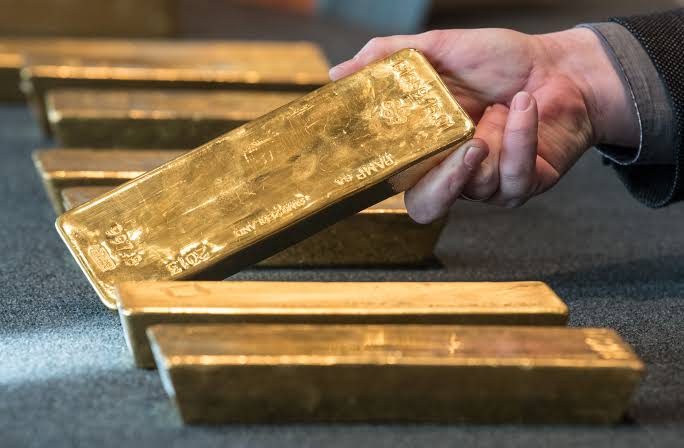
Frankfurt am Main is one of Germany’s most important financial centers and an established destination for precious-metals trading. For buyers looking to purchase gold in Germany, the city provides access to established bullion dealers, precious-metals specialists, banks, logistics providers, and financial services. The local market includes businesses offering gold bars, investment coins, and other precious-metal products, with several established dealers operating in and around the city.
For international buyers, Frankfurt can be particularly attractive because of its position within Germany’s financial and logistics infrastructure. However, buying gold from Frankfurt should not be approached simply as a search for the lowest quoted price. The buyer should establish the exact gold specification required, verify the seller, confirm purity and weight, understand the applicable premium and taxes, and ensure that the transaction and transportation arrangements comply with the laws of both the exporting and importing jurisdictions.
Why Frankfurt Is An Important Gold Trading Destination
Frankfurt’s importance to the gold market is closely connected to its broader role as a European financial center. The city has a developed ecosystem of financial institutions, precious-metals dealers, investment businesses, and logistics providers, creating an environment in which gold can be purchased, sold, valued, stored, and transported professionally.
The city’s established precious-metals market includes dealers offering investment gold in the form of bars and coins. Current local listings show established dealers in central Frankfurt, including philoro EDELMETALLE Frankfurt | Ankauf und Verkauf von Gold & Silber, OPHIRUM GmbH, and Degussa Goldhandel GmbH.
This concentration of professional businesses gives buyers the opportunity to compare products, premiums, services, and transaction conditions before committing to a purchase.
Understanding Gold Purity When Buying From Frankfurt
Gold is commonly identified according to its fineness or karat. The fineness figure expresses the amount of pure gold contained in 1,000 parts of the material, while karat expresses purity on a 24-part scale.
A buyer therefore needs to distinguish between 23 Karat gold, 24 Karat gold, and investment-grade fine gold rather than assuming that every gold product sold in Frankfurt has the same purity.
What 23 Karat Gold Means
23 Karat gold corresponds to approximately 95.83% gold, not 97.3%. A purity of approximately 97.3% corresponds to about 23.35 Karat.
This distinction is important for international buyers. If a purchase agreement specifies 23 Karat (97.3%), the contractual specification should be clarified before payment because the two figures are not mathematically equivalent.
For commercial transactions, the most reliable approach is to state the required fineness explicitly, for example 973/1000, rather than relying only on the term “23 Karat.”
Why Fineness Matters In Commercial Gold Transactions
Purity directly affects the intrinsic gold content and therefore the valuation of a shipment. When purchasing larger quantities, even a relatively small difference in fineness can represent a substantial difference in the amount of fine gold contained in the shipment.
A professional purchase agreement should therefore identify the agreed fineness, gross weight, net gold weight where applicable, assay methodology, acceptable tolerance, and the procedure to be followed if the final assay differs from the contractual specification.
Types Of Gold Available In Frankfurt
Frankfurt’s established precious-metals dealers commonly offer investment products such as gold bars and coins. Local dealer listings show products ranging from small bars to larger investment units, allowing buyers to select formats according to their investment or commercial requirements.
Gold Bars
Gold bars are widely used for investment and commercial purposes because their weight and fineness can be clearly specified and independently verified. Depending on the supplier, buyers may encounter small retail bars as well as larger bars designed for professional investors and institutional transactions.
For larger purchases, the identity of the refiner, bar serial number, assay documentation, packaging, and recognized market acceptance should be considered carefully.
Gold Coins
Frankfurt dealers also offer recognized bullion coins. Coins can be convenient for individual investors because they are widely traded and available in standardized weights.
However, for a commercial buyer purchasing gold by kilogram or larger quantities, bars may offer a more efficient format because the buyer can compare the premium over the underlying gold value and avoid paying unnecessary numismatic premiums.
How Gold Prices Are Determined In Frankfurt
The price quoted by a Frankfurt gold dealer normally reflects the international gold market together with the dealer’s premium, operating costs, product characteristics, and transaction conditions.
Gold prices can change throughout the trading day, meaning that a quotation received at one time may not remain valid indefinitely. For example, a Frankfurt precious-metals dealer states that its prices are linked to current market prices and updated multiple times per day.
Spot Gold Price
The international spot price provides the fundamental reference point for gold valuation. Buyers should understand whether a supplier’s quotation is expressed as a premium above spot, a discount to spot, or an all-inclusive price.
Dealer Premium
The premium represents the additional amount paid above the underlying gold value. It may reflect refining, manufacturing, distribution, storage, handling, insurance, and the supplier’s margin.
Comparing the premium rather than simply comparing the final price can help commercial buyers identify more competitive offers.
Currency Considerations
International buyers purchasing gold in Frankfurt should also consider exchange rates if their operating currency is not the euro. Currency movements can affect the effective cost of the transaction even when the underlying gold price remains unchanged.
How To Find A Reliable Gold Supplier In Frankfurt
The supplier’s reputation should be one of the first factors examined before entering a transaction. Frankfurt has numerous established precious-metals businesses, making it possible to compare suppliers rather than relying on the first quotation received.
A buyer should examine the company’s legal identity, physical presence, trading history, product documentation, payment instructions, and willingness to provide appropriate transaction records.
Verify The Company’s Identity
Before sending money, confirm the supplier’s registered business name, physical address, contact information, and applicable registration details. The details on the quotation, invoice, contract, and bank account should correspond to the legal entity selling the gold.
Any unexplained mismatch should be treated as a reason to pause the transaction until it has been independently resolved.
Check The Supplier’s Product Offering
A credible supplier should be able to clearly identify the gold being offered, including its form, weight, fineness, manufacturer or refiner where applicable, and accompanying documentation.
For investment products, established Frankfurt dealers publicly list their available gold products and services, making it easier for buyers to conduct preliminary comparisons.
How To Verify Gold Purity Before Purchase
Purity verification is fundamental to any significant gold transaction. Buyers should not rely solely on photographs, seller declarations, or informal statements regarding the quality of the metal.
Request An Assay Or Certificate
Depending on the product, buyers should obtain appropriate documentation identifying the gold’s fineness and weight. For larger commercial transactions, independent assay testing can provide an additional layer of assurance.
The assay procedure should be agreed upon in advance, particularly where the transaction involves substantial quantities or international shipment.
Verify Weight Independently
Weight should be established using properly calibrated equipment. The contract should specify whether the agreed quantity refers to gross weight, net weight, or fine-gold content.
For large transactions, independent weighing at an agreed facility can reduce the possibility of disputes.
Documentation For Buying Gold From Frankfurt
Documentation becomes particularly important when gold is purchased for international export.
A professional transaction may involve a purchase agreement, commercial invoice, packing documentation, assay or purity documentation, transport records, insurance documents, and customs documentation depending on the nature and destination of the shipment.
Commercial Invoice
The invoice should accurately describe the gold, including quantity, weight, purity or fineness, price, currency, seller, buyer, and applicable transaction terms.
Assay Documentation
Where applicable, assay documentation establishes the tested purity of the gold and supports valuation and downstream verification.
Export And Customs Documentation
International shipments may require additional customs and export documentation. Requirements depend on the transaction structure, origin, destination, product classification, and applicable regulations.
Buyers should establish these requirements before the shipment is arranged rather than attempting to resolve them after the gold has already been dispatched.
Secure Payment Procedures
Gold transactions involve significant financial values, making payment security essential.
Buyers should use traceable and appropriately regulated financial channels and should verify bank details independently before transferring funds. Particular caution should be exercised when a supplier suddenly requests payment to a different account or changes previously agreed payment instructions.
Use A Written Purchase Agreement
A written agreement should establish the commercial terms before payment is made. It should clearly identify the parties, gold specification, quantity, price mechanism, payment conditions, inspection or assay procedure, delivery terms, insurance responsibilities, and dispute-resolution provisions.
This is especially important for international transactions where the buyer and seller operate under different legal and regulatory systems.
International Shipping From Frankfurt
Frankfurt’s position as a major European transportation and logistics center can support international precious-metals transactions, but gold should be transported through appropriate secure logistics channels.
The shipment should be properly packaged, documented, insured, and handled by a provider experienced in precious-metal transportation.
Insurance And Risk Management
The insurance arrangement should correspond to the full value and nature of the shipment. Buyers should establish exactly when risk transfers from seller to buyer and which party is responsible for insurance during each stage of transportation.
This is particularly important when using international commercial terms such as CIF, where insurance and freight responsibilities are allocated according to the agreed Incoterms framework.
Buying Gold From Frankfurt For International Trade
International buyers should distinguish between purchasing gold for personal investment and purchasing gold as part of a commercial supply chain.
A commercial transaction may involve multiple parties, including the seller, buyer, assay provider, financial institution, insurer, freight or secure logistics provider, customs authorities, and potentially an intermediary.
Each party should have clearly defined responsibilities.
Verify The Origin And Chain Of Custody
For commercial gold purchases, buyers should establish the provenance of the gold and maintain appropriate documentation showing its movement through the supply chain.
Responsible sourcing is increasingly important in international precious-metals trade, and buyers should ensure that their transactions satisfy the compliance requirements applicable to their business and destination market.
Conduct Counterparty Due Diligence
Before entering a large transaction, buyers should conduct appropriate Know Your Customer and Know Your Business checks on counterparties. The exact requirements depend on the jurisdictions and parties involved.
Due diligence should not be treated as a formality. It is an important mechanism for identifying fraudulent counterparties, inconsistent documentation, sanctions concerns, and other transaction risks.
Common Mistakes To Avoid When Buying Gold From Frankfurt
Choosing The Lowest Price Without Verification
An exceptionally low gold price should not automatically be interpreted as a good opportunity. A quotation significantly below prevailing market conditions requires careful investigation.
The buyer should determine whether the quoted price excludes premiums, logistics, insurance, taxes, assay costs, or other charges, and whether the supplier can actually deliver the stated product.
Confusing Karat With Fineness
As noted above, 23K does not equal 97.3% purity. Buyers should use a precise fineness specification in commercial agreements to eliminate ambiguity.
Paying Before Verifying The Counterparty
A buyer should complete appropriate due diligence before transferring substantial funds. A professional-looking website or quotation alone is not sufficient evidence that a supplier is legitimate.
Ignoring Destination-Country Requirements
A gold transaction does not end when the seller releases the shipment. The importing country may have specific customs, tax, licensing, reporting, and precious-metals requirements.
These should be established before the transaction is finalized.
Why Buyers May Choose Frankfurt For Gold
Frankfurt offers several advantages to buyers seeking gold in Germany. The city has an established network of precious-metals businesses, including dealers specializing in gold bars and coins.
The city’s financial environment also provides access to professional banking and commercial services, while its transportation infrastructure supports domestic and international logistics.
For buyers who value established European trading infrastructure, Frankfurt can therefore be a practical location for sourcing investment gold and arranging professional precious-metals transactions.
Frequently Asked Questions About Buying Gold From Frankfurt
- Is Frankfurt A Good Place To Buy Gold? Frankfurt is an established precious-metals market with multiple professional dealers offering gold bars, coins, and other precious-metal products. Buyers should still conduct their own due diligence and compare suppliers before purchasing.
- Can I Buy 23 Karat Gold From Frankfurt? Gold products with different fineness levels may be available, but buyers should confirm the exact specification with the supplier. If your requirement is 97.3% purity, specify the fineness as 973/1000 rather than describing it only as 23 Karat.
- What Is The Difference Between 23 Karat And 97.3% Gold? 23 Karat corresponds to approximately 95.83% pure gold, whereas 97.3% purity corresponds to approximately 23.35 Karat. These specifications should therefore not be used interchangeably.
- How Do I Verify A Gold Supplier In Frankfurt? Verify the company’s legal identity, physical address, business credentials, product documentation, payment details, and trading history. For significant transactions, independent verification and professional due diligence are strongly recommended.
- Should I Get An Assay Before Buying Gold? For substantial transactions, independent assay or other appropriate purity verification can provide important protection. The testing procedure should ideally be agreed upon in the purchase contract.
- Can Gold Purchased In Frankfurt Be Shipped Internationally? International shipment may be possible, but the transaction must comply with German, EU, and destination-country customs, export, import, tax, and precious-metals requirements. The specific requirements depend on the shipment and destination.
Conclusion
Buying gold from Frankfurt can provide access to Germany’s established precious-metals market and a broad network of professional dealers. The city offers buyers opportunities to source gold bars, coins, and other precious-metal products through established businesses operating within a sophisticated financial and commercial environment.
For international buyers, however, successful gold procurement depends on more than finding a competitive quotation. The buyer should establish the exact purity and weight requirements, verify the supplier, obtain appropriate assay documentation, agree on contractual terms, use secure payment channels, arrange insured transportation, and satisfy all applicable customs and regulatory requirements.
Most importantly, buyers should use precise fineness specifications when purchasing gold. If the requirement is 97.3% purity, it is more accurate to specify 973/1000 fineness rather than calling it simply 23 Karat. This level of precision helps prevent misunderstandings and creates a clearer foundation for professional gold transactions.
Leave a Reply