
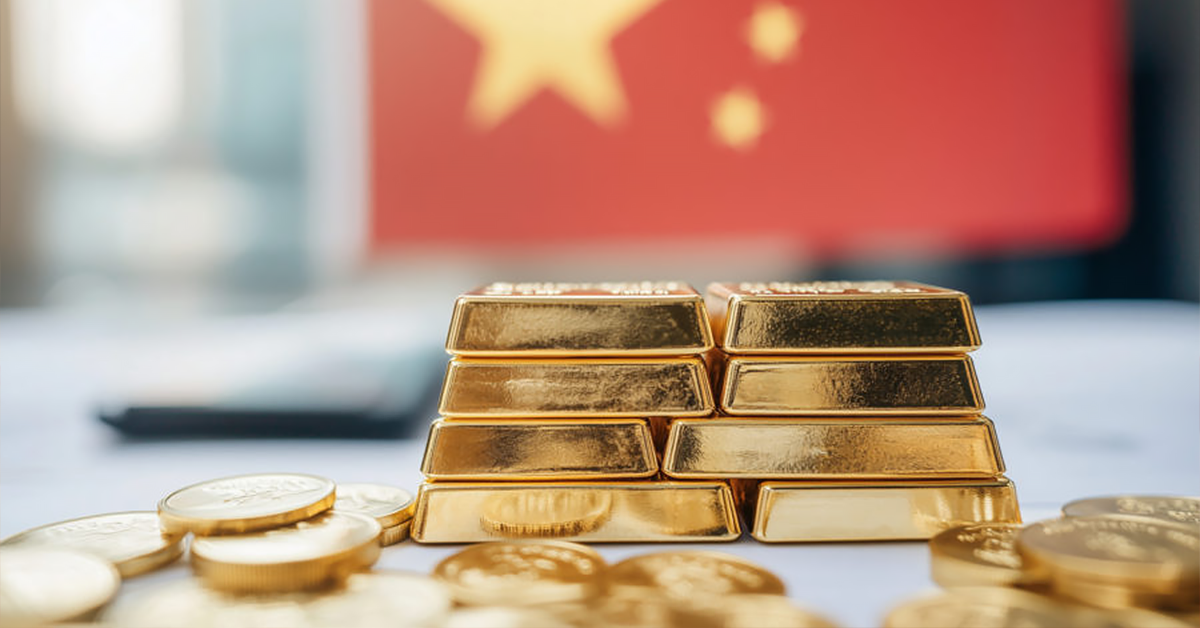
Beijing is one of China’s most influential commercial and financial centers, making it an attractive destination for individuals and businesses interested in purchasing gold. Whether you are an investor looking to diversify your portfolio, a jeweler sourcing premium products, a wholesaler expanding your inventory, or an international buyer seeking reliable suppliers, understanding how the Beijing gold market operates is essential for making informed decisions.
China has consistently ranked among the world’s largest gold producers and consumers. This strong domestic market has contributed to the development of a sophisticated precious metals industry that includes mining companies, refiners, manufacturers, bullion dealers, jewelry retailers, and financial institutions. While wholesale price discovery in China is closely linked to national trading infrastructure, Beijing remains home to numerous reputable businesses that offer investment-grade bullion, high-purity jewelry, and other gold products to both local and international customers.
Buying gold internationally involves much more than comparing prices. A successful transaction requires careful supplier verification, an understanding of gold purity standards, proper documentation, secure payment methods, and reliable logistics. Buyers who take the time to understand these factors are better positioned to minimize risk while maximizing value.
This comprehensive guide explores everything you need to know about buying gold from Beijing, China. From understanding purity standards and evaluating suppliers to shipping, documentation, pricing, and risk management, this article provides practical information to help you make informed purchasing decisions.
Why Buy Gold From Beijing, China?
China’s gold industry has grown significantly over the past few decades, supported by advanced refining technology, strong domestic demand, and a well-developed manufacturing sector. Beijing plays an important role as a major commercial city where buyers can access established jewelry retailers, bullion dealers, and businesses involved in the precious metals industry.
One reason buyers consider Beijing is the availability of a broad range of gold products. Depending on the supplier, customers may find investment bars, commemorative coins, custom jewelry, luxury ornaments, and products manufactured to different purity standards. This variety allows buyers to select products that match their investment objectives, personal preferences, or commercial requirements.
Another advantage is access to experienced businesses that understand international trade. Companies serving overseas clients are often familiar with export documentation, product specifications, and communication with foreign buyers. This experience can simplify transactions when appropriate due diligence is carried out by both parties.
Beijing is also known for hosting established commercial districts where reputable businesses operate within a regulated business environment. While every supplier should still be independently verified, many buyers appreciate dealing with companies that maintain professional business operations and documented trading histories.
Understanding The Gold Market In Beijing
The Beijing gold market serves a wide range of customers, from individuals purchasing jewelry to investors acquiring bullion and businesses sourcing precious metals for commercial purposes. Products available in Beijing may include locally manufactured items as well as products distributed from refiners and manufacturers located elsewhere in China.
Retail buyers typically purchase finished jewelry, commemorative products, or investment bars through authorized dealers and established jewelry brands. Commercial buyers, on the other hand, often work directly with manufacturers, distributors, or specialized trading companies depending on their purchasing requirements.
Understanding the distinction between retail and commercial purchasing is important because pricing, minimum order quantities, documentation, and delivery arrangements can differ substantially. While retail transactions are generally straightforward, larger commercial purchases often involve formal quotations, contractual agreements, product specifications, and logistics planning.
International buyers should also recognize that purchasing gold involves compliance with the laws and regulations of both the exporting and importing countries. Before committing to any transaction, buyers should understand the documentation required by their local customs authorities and ensure that all applicable legal obligations are met.
Types Of Gold Available In Beijing
One of the strengths of Beijing’s precious metals market is the diversity of products available to buyers. Understanding these product categories helps ensure that purchases align with specific investment or business objectives.
- Investment Gold Bars: Investment-grade gold bars remain one of the most popular options for buyers seeking physical precious metals. These bars are produced in different weights, ranging from small investment units to larger commercial bars intended for institutional investors and wholesale buyers. Many investment bars are accompanied by certificates indicating purity, weight, and manufacturer details. Buyers should carefully review this documentation and compare it with the markings on the physical product before completing any purchase.
- Gold Jewelry: Beijing offers an extensive selection of gold jewelry, including necklaces, bracelets, rings, pendants, earrings, bangles, and cultural ornaments. Jewelry is available in different purity levels depending on the intended use, design requirements, and customer preferences.When purchasing jewelry, buyers should distinguish between the intrinsic value of the gold itself and additional costs associated with craftsmanship, branding, design complexity, and gemstones.
- Commemorative Gold Products: Collectors often seek commemorative gold coins and specially designed products produced for significant cultural events, anniversaries, or artistic collections. These items may command premiums beyond their gold content because of their rarity, design, or collector demand.
- Custom Gold Manufacturing: Some businesses provide custom manufacturing services for wholesalers, jewelry brands, and corporate clients. Depending on the project, buyers may be able to specify product dimensions, purity, branding, engraving, or packaging requirements. Custom production generally involves additional planning, design approval, manufacturing lead times, and quality control procedures before delivery.
Understanding Gold Purity Standards
Gold purity is one of the most important considerations when purchasing precious metals. It directly influences value, durability, appearance, and suitability for different applications.
Pure gold is measured either by karat or by fineness. Understanding both systems allows buyers to interpret product markings accurately.
Twenty-four karat gold represents virtually pure gold, while lower karat ratings indicate the presence of alloy metals added to improve hardness or modify appearance. Likewise, fineness expresses purity as parts per thousand. For example, a fineness of 999 indicates that the product contains approximately 999 parts gold out of every 1,000 parts of the alloy.
For buyers specifically seeking 23 Karat (97.3% Purity) Gold, understanding these measurements helps ensure that products match purchasing expectations. Always request supporting documentation, including assay reports or certificates where applicable, especially when making significant investments.
Beyond purity, buyers should also inspect product hallmarks, manufacturer markings, weight information, and any accompanying certification to verify authenticity.
How To Identify A Reputable Gold Supplier In Beijing
Selecting the right supplier is one of the most important decisions any gold buyer will make. Even when purchasing within an established commercial market, conducting thorough due diligence remains essential.
A reputable supplier should be transparent about its business history, product specifications, pricing methodology, and documentation. Professional communication, willingness to answer technical questions, and clear contractual terms often indicate a well-managed business.
Before proceeding with a purchase, buyers should request detailed information regarding product purity, manufacturing standards, available certifications, payment terms, delivery procedures, and after-sales support. Comparing information from multiple suppliers can also provide valuable insight into prevailing market practices and pricing.
Business registration, physical business premises, established operating history, and positive commercial references all contribute to evaluating supplier credibility. While no single factor guarantees reliability, a comprehensive assessment helps reduce unnecessary risk.
Gold Pricing In Beijing
Understanding how gold is priced is one of the most important aspects of purchasing precious metals from Beijing. While many first-time buyers focus solely on the advertised selling price, experienced investors and commercial buyers understand that the final purchase price consists of several components. These may include the prevailing market price of gold, manufacturing premiums, refining costs, transportation charges, insurance, taxes where applicable, and supplier margins.
The international gold market operates continuously through major financial centers around the world, meaning gold prices fluctuate throughout the trading day. As a result, quotations provided by suppliers in Beijing may change based on movements in the global market. Buyers should therefore confirm whether the quoted price is fixed for a specified period or subject to adjustment before payment is made.
For investment-grade bullion, pricing is generally much closer to the international gold market value, whereas jewelry products usually include additional charges for design, craftsmanship, finishing, packaging, and branding. Understanding these distinctions allows buyers to compare quotations more accurately and avoid confusion when evaluating offers from different suppliers.
Professional buyers also pay close attention to the weight measurement used in quotations. Some suppliers price products per gram, while others may quote prices for complete items or larger bullion units. Confirming the exact unit of measurement ensures that comparisons remain accurate throughout the purchasing process.
Factors That Influence Gold Prices
Gold prices rarely remain constant. Numerous economic and commercial factors influence both international and local market prices, making it important for buyers to understand why quotations change over time.
- International Market Conditions: Gold is considered one of the world’s most important investment assets and safe-haven commodities. During periods of economic uncertainty, geopolitical tension, inflation concerns, or financial market volatility, investor demand often increases, which may contribute to higher gold prices. Conversely, periods of economic stability may reduce investment demand and influence price movements in the opposite direction. Because Chinese suppliers closely monitor international precious metals markets, fluctuations in global prices are generally reflected in their quotations.
- Currency Exchange Rates: International buyers purchasing gold from Beijing should also consider exchange rate movements. Since international transactions frequently involve different currencies, changes in foreign exchange markets can influence the total acquisition cost even when the underlying gold price remains relatively stable. Businesses engaged in regular international purchasing often monitor both gold prices and currency movements before deciding when to complete a transaction.
- Manufacturing And Processing CostsThe complexity of manufacturing also affects pricing. A simple bullion bar generally requires less labor than an intricately designed piece of jewelry. Products involving detailed craftsmanship, engraving, gemstone settings, or custom manufacturing naturally command higher premiums because of the additional expertise and production time involved.
- Product Availability: Market demand and product availability can influence pricing as well. Certain commemorative items, limited-edition collections, or custom products may carry premiums beyond their intrinsic gold value due to rarity or collector demand.
Choosing The Right Gold Product
Before purchasing gold from Beijing, buyers should clearly define their objectives. Different products serve different purposes, and selecting the most appropriate option depends on individual investment goals, business requirements, or personal preferences.
Investors seeking long-term wealth preservation often prefer bullion bars because they typically offer lower manufacturing premiums relative to their gold content. Jewelry buyers, however, may place greater value on craftsmanship, design, and aesthetic appeal in addition to intrinsic gold value.
Commercial buyers supplying jewelry retailers or manufacturers may prioritize consistency in purity, reliable production capacity, and long-term supplier relationships rather than focusing exclusively on individual transaction pricing.
Understanding the intended purpose of the purchase allows buyers to make more informed decisions and avoid acquiring products that may not align with their objectives.
How International Buyers Purchase Gold From Beijing
International transactions involving precious metals generally follow a structured process designed to provide clarity for both buyers and suppliers. While specific procedures may vary depending on the size and nature of the transaction, the overall purchasing process typically follows several important stages.
The process usually begins with identifying potential suppliers and requesting detailed product information. Buyers often compare multiple quotations while evaluating factors such as purity, available certifications, production capacity, delivery timelines, and commercial experience.
Once a suitable supplier has been identified, discussions typically move toward pricing, payment arrangements, production schedules where applicable, and documentation requirements. Both parties should clearly understand their respective obligations before proceeding.
For custom orders or significant commercial purchases, written agreements outlining product specifications, quality standards, delivery arrangements, and payment terms provide valuable protection for both parties.
Before shipment takes place, buyers should verify that all agreed documentation has been prepared accurately and that products have undergone any required inspection or testing procedures.
Conducting Proper Supplier Verification
Verifying a supplier’s legitimacy is one of the most effective ways to reduce transaction risk. Buyers should never rely solely on promotional materials or online advertisements when evaluating potential business partners.
Professional due diligence involves collecting and reviewing information from multiple sources before committing significant financial resources.
- Verify Business Registration: Confirm that the company operates as a legally registered business within China. Business registration information helps establish whether the supplier is conducting commercial activities under a recognized legal entity.
- Review Commercial Experience: Businesses with established operating histories often possess greater experience handling international transactions, customer service, documentation, and export procedures. While newer businesses may also provide excellent service, operational history remains an important consideration during supplier evaluation.
- Request Product Documentation: Reliable suppliers should be willing to provide documentation describing product specifications, purity levels, weight information, and manufacturing details. Buyers should review these documents carefully before proceeding.
- Communicate Directly: Professional communication provides valuable insight into how a supplier conducts business. Prompt responses, clear explanations, willingness to answer technical questions, and transparency regarding procedures often indicate a professional organization.
- Understanding Gold Certifications: Certification plays an important role in confirming product authenticity and quality. Depending on the nature of the purchase, buyers may receive documentation describing:
- Product purity
- Weight
- Manufacturing details
- Assay results
- Serial numbers
- Batch information
These documents should correspond with markings found on the physical product whenever applicable. Any inconsistencies should be clarified before shipment.
For significant investments, some buyers also arrange independent laboratory testing or third-party inspections to obtain additional assurance regarding authenticity and purity.
Payment Methods For International Gold Purchases
Because gold represents a high-value commodity, payment arrangements deserve careful consideration.
Professional transactions generally prioritize transparency, documented agreements, and traceable payment methods.
Depending on the commercial relationship and transaction structure, payment arrangements may include advance payments, staged payments linked to production milestones, documentary payment mechanisms, or other mutually agreed commercial terms.
Buyers should ensure they fully understand when payments become due, what documentation will be provided before shipment, and what protections exist should unforeseen issues arise during the transaction.
Clear communication regarding payment expectations reduces misunderstandings and contributes to smoother commercial relationships.
Documentation Required For Gold Purchases
Accurate documentation is essential for successful international trade.
While requirements vary according to destination country and transaction structure, buyers commonly request documentation such as commercial invoices, packing lists, product specifications, certificates relating to product quality or purity where applicable, shipping documentation, insurance information when included, and any export paperwork required for lawful international movement of goods.
Reviewing documentation before shipment helps identify potential discrepancies while there is still sufficient time for correction.
Proper documentation also facilitates customs clearance and supports regulatory compliance in the destination country.
Shipping And Logistics
Transporting gold internationally requires careful planning because of its high intrinsic value.
Professional logistics providers specializing in valuable cargo often employ enhanced security procedures throughout transportation. Depending on the shipment and contractual arrangements, buyers may also choose to obtain cargo insurance to protect against covered risks during transit.
Delivery timelines vary according to destination, transportation method, customs procedures, and regulatory requirements. Buyers should therefore establish realistic expectations regarding shipment schedules before completing a transaction.
Maintaining regular communication with both the supplier and logistics provider helps ensure that shipment progress can be monitored throughout the transportation process.
Understanding Customs Requirements
Every country maintains its own customs procedures governing the importation of precious metals.
Before purchasing gold from Beijing, buyers should familiarize themselves with the legal requirements applicable within their own jurisdiction. These may include import permits, customs declarations, taxes, duties, reporting obligations, or other regulatory requirements.
Failure to understand local regulations may result in unnecessary delays, additional costs, or compliance issues after the shipment arrives.
Consulting qualified customs professionals or relevant government authorities before completing a purchase can help buyers understand the procedures applicable to their particular circumstances.
Managing Transaction Risks
Every international commercial transaction carries some level of risk, particularly when high-value commodities are involved.
Fortunately, many risks can be substantially reduced through careful planning and professional business practices.
Experienced buyers typically perform comprehensive supplier verification, review contractual documentation carefully, confirm product specifications, request supporting documentation, monitor shipment progress, and maintain detailed records throughout the purchasing process.
Rather than relying on assumptions, successful buyers base their decisions on verifiable information obtained through structured due diligence and transparent communication.
Common Mistakes Buyers Should Avoid
Even experienced buyers occasionally encounter challenges when purchasing precious metals internationally. Many of these issues can be avoided through careful preparation.
One common mistake involves selecting suppliers solely on the basis of unusually low prices. While competitive pricing is important, significantly below-market quotations should be evaluated carefully alongside supplier credibility, documentation quality, and commercial history.
Another frequent mistake is failing to verify product specifications before payment. Buyers should confirm purity, weight, dimensions, certifications, and delivery expectations before concluding any agreement.
Insufficient attention to documentation can also create unnecessary complications during customs clearance. Ensuring that paperwork is complete and accurate before shipment significantly reduces the likelihood of avoidable delays.
Finally, buyers should avoid rushing important commercial decisions. Taking sufficient time to evaluate suppliers, compare quotations, review documentation, and understand contractual obligations contributes to more secure and successful transactions.
Advanced Due Diligence Before Buying Gold From Beijing
Conducting advanced due diligence is one of the most effective ways to protect your investment when purchasing gold internationally. While verifying business registration and reviewing product documentation are essential first steps, experienced buyers often go further by evaluating a supplier’s reputation, operational history, communication practices, and ability to fulfill contractual obligations.
Professional due diligence begins with confirming that the supplier has a legitimate physical business presence rather than operating solely through online platforms. Buyers should request company profiles, business registration details, product catalogs, and references where appropriate. Establishing direct communication through official business channels also helps verify that discussions are taking place with authorized representatives.
Another important consideration is consistency. Reliable suppliers generally provide clear quotations, accurate specifications, transparent payment terms, and realistic delivery schedules. Frequent changes to pricing, vague product descriptions, or reluctance to provide documentation should encourage buyers to seek further clarification before proceeding.
When purchasing significant quantities of gold, many commercial buyers also arrange independent inspections before shipment. Third-party inspection companies can verify product quantities, packaging, labeling, and other agreed specifications before goods leave the supplier’s premises. While inspections involve additional costs, they may provide valuable assurance for high-value transactions.
Ensuring Product Quality
Gold is valued for its purity, consistency, and long-term investment potential. Buyers should therefore establish quality expectations before entering into any agreement.
Professional suppliers usually maintain quality control procedures throughout manufacturing, refining, packaging, and distribution. Buyers should request detailed specifications describing product purity, dimensions, weight tolerances, and finishing standards where applicable.
Visual inspection also remains important. Finished products should display consistent workmanship, appropriate hallmarks, and professional packaging. Any visible inconsistencies should be discussed before accepting delivery.
For investment-grade bullion, buyers should compare the physical markings on the product with the accompanying documentation to ensure consistency regarding weight, purity, serial numbers, and manufacturer identification.
When uncertainty exists regarding authenticity or composition, independent laboratory testing provides an additional level of confidence.
Building Long-Term Relationships With Suppliers
Successful international gold buyers often view supplier relationships as long-term partnerships rather than one-time transactions.
Working consistently with reliable suppliers offers several advantages. Over time, both parties become familiar with communication preferences, product requirements, quality expectations, documentation procedures, and delivery schedules. This familiarity can improve operational efficiency while reducing misunderstandings.
Long-term relationships may also simplify future negotiations regarding production schedules, product availability, customization requirements, and logistical planning.
However, maintaining strong supplier relationships does not eliminate the need for professional due diligence. Buyers should continue reviewing documentation, monitoring product quality, and maintaining clear contractual agreements throughout the business relationship.
Understanding The Importance Of Secure Logistics
The transportation of precious metals requires careful coordination because of the high value involved. Secure logistics play an essential role in protecting shipments from the point of dispatch to their final destination.
Professional logistics providers specializing in valuable cargo typically employ enhanced security procedures, shipment monitoring, and specialized handling practices. Buyers should discuss transportation arrangements with suppliers before shipment to understand how products will be packaged, insured where applicable, and tracked during transit.
Insurance is another important consideration. Depending on the agreed commercial terms, buyers may wish to confirm whether cargo insurance is included or whether separate insurance arrangements are required. Understanding the extent of available coverage helps buyers evaluate their overall level of risk.
Communication throughout the shipping process also contributes to a successful transaction. Maintaining contact with suppliers and logistics providers enables buyers to monitor shipment progress and respond promptly should any questions arise during transportation.
Tips For First-Time International Gold Buyers
Purchasing gold internationally for the first time can appear complex, but careful preparation significantly improves the experience.
Begin by researching the market thoroughly before contacting suppliers. Understanding current pricing trends, common purity standards, and available product categories allows buyers to evaluate quotations more effectively.
Avoid making decisions based solely on promotional material or unusually attractive pricing. Instead, focus on supplier credibility, documentation quality, communication, and transparency throughout the purchasing process.
Request detailed quotations that clearly describe product specifications, purity, weight, payment terms, delivery schedules, and any additional charges. Comparing multiple quotations often provides a clearer understanding of prevailing market conditions.
Keep detailed records of correspondence, quotations, invoices, contracts, and shipping documentation. Organized documentation supports both commercial management and regulatory compliance.
Finally, remain patient. Successful international transactions are typically the result of careful planning rather than rushed decision-making.
Frequently Asked Questions
- Is Beijing A Good Place To Buy Gold? Beijing is one of China’s leading commercial cities and offers access to numerous established jewelry retailers, bullion dealers, and precious metals businesses. Buyers should nevertheless conduct appropriate due diligence before purchasing from any supplier.
- What Purity Levels Are Commonly Available? Gold products in Beijing are available in a variety of purity levels depending on the intended application. Investment bullion is often produced at very high purity levels, while jewelry products may be manufactured in different purities to balance appearance, durability, and design requirements.
- How Can I Verify Gold Authenticity? Authenticity can be supported through product hallmarks, certificates, supplier documentation, independent laboratory testing, and professional inspections where appropriate. Buyers should compare physical markings with accompanying documentation before completing any transaction.
- Is Buying Gold Internationally Safe? International gold purchases can be conducted safely when buyers perform comprehensive due diligence, work with reputable suppliers, understand contractual obligations, and comply with applicable legal and customs requirements.
- What Documents Should Buyers Expect? Documentation may vary depending on the transaction, but buyers commonly receive commercial invoices, packing lists, product specifications, shipping documents, and other supporting paperwork appropriate to the purchase. Requirements differ according to the destination country and the nature of the transaction.
- How Long Does International Delivery Usually Take? Delivery times depend on several factors, including production schedules, transportation methods, customs procedures, and destination country requirements. Buyers should discuss estimated timelines with suppliers before confirming an order.
Best Practices For Buying Gold From Beijing, China
Purchasing gold from Beijing becomes significantly more straightforward when buyers follow established commercial best practices. Taking the time to understand the market, verify suppliers, confirm documentation, and maintain clear communication helps reduce unnecessary risk while improving transaction efficiency.
Buyers should always compare multiple suppliers, request comprehensive product information, understand pricing structures, and ensure that all commercial terms are documented before payment is made. Independent verification and professional advice may also be appropriate for high-value transactions.
Maintaining realistic expectations regarding production, shipping, customs procedures, and regulatory compliance contributes to smoother international trade and stronger long-term business relationships.
Conclusion
Buying gold from Beijing, China, presents valuable opportunities for investors, jewelry businesses, wholesalers, manufacturers, and collectors seeking access to one of the world’s most significant precious metals markets. The city’s established commercial environment, experienced suppliers, and broad selection of gold products make it an attractive destination for both domestic and international buyers.
However, successful gold purchasing extends well beyond identifying an attractive price. It requires informed decision-making, careful supplier evaluation, transparent communication, thorough documentation, and a clear understanding of international trade procedures. Buyers who invest time in due diligence are better positioned to protect their investments while building reliable commercial relationships.
Whether your objective is long-term investment, wholesale sourcing, jewelry manufacturing, or portfolio diversification, approaching each transaction with professionalism and careful preparation can contribute significantly to a positive outcome. By understanding purity standards, evaluating suppliers responsibly, planning secure logistics, and complying with applicable legal requirements, buyers can confidently navigate the process of purchasing gold from Beijing while making well-informed business and investment decisions.
As global demand for precious metals continues to evolve, informed buyers who prioritize transparency, quality, and trusted partnerships will remain well positioned to benefit from opportunities within China’s dynamic gold market.
Leave a Reply